


Hey there! As a supplier of PP Slow Close Dampers, I often get asked this question: Can a PP Slow Close Damper be used for doors? Well, let's dive right into it and find out.
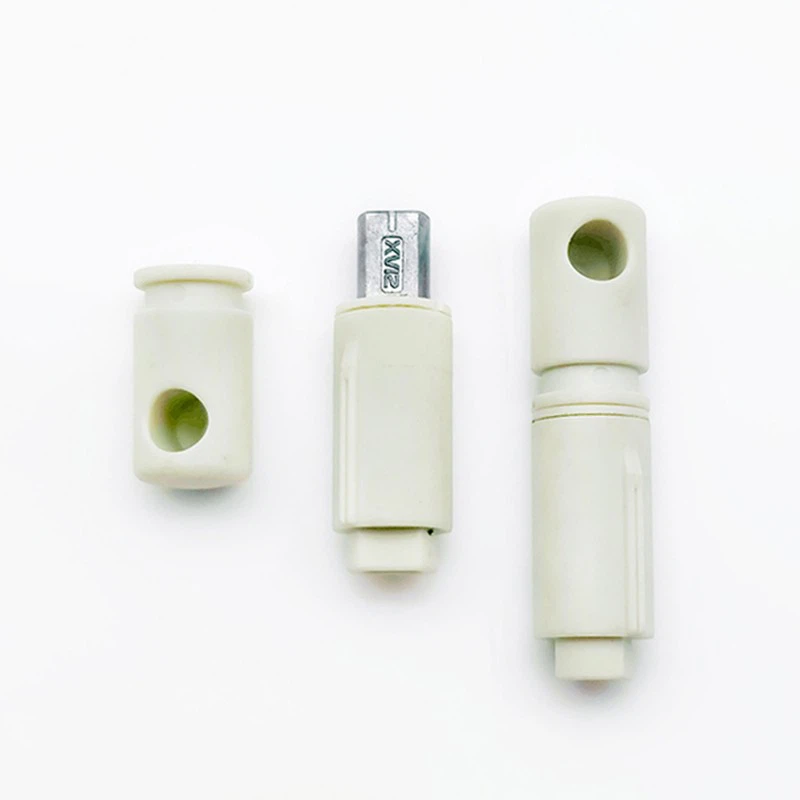
First off, let's understand what a PP Slow Close Damper is. A PP Slow Close Damper is a type of damper made from polypropylene (PP), a thermoplastic polymer known for its durability, chemical resistance, and relatively low cost. These dampers are designed to provide a smooth and slow closing motion, which can be really useful in a variety of applications.
When it comes to using them for doors, there are several factors to consider.
Advantages of Using PP Slow Close Dampers for Doors
1. Noise Reduction
One of the biggest benefits of using a PP Slow Close Damper on a door is the noise reduction. We've all been in situations where a door slams shut, creating a loud and annoying noise. With a slow - close damper, the door closes gently and quietly. This is especially important in places like hospitals, libraries, and bedrooms, where a peaceful environment is crucial.
2. Safety
Slow - close dampers can also enhance safety. They prevent the door from slamming shut too quickly, which could potentially cause injuries, especially to children or the elderly. For example, a child's finger might get caught in a rapidly closing door, but a slow - close damper gives enough time to react and avoid such accidents.
3. Durability
PP is a tough material. It can withstand a lot of wear and tear, making it suitable for doors that are used frequently. Whether it's an interior door in a busy office or an exterior door that faces the elements, a PP Slow Close Damper can last for a long time without losing its functionality.
4. Cost - Effectiveness
Compared to some other types of dampers, PP Slow Close Dampers are relatively inexpensive. This makes them a great option for those on a budget, especially when you need to install dampers on multiple doors.
Types of Doors Suitable for PP Slow Close Dampers
1. Interior Doors
Interior doors, such as bedroom doors, bathroom doors, and office doors, are ideal candidates for PP Slow Close Dampers. They can add a touch of elegance to the room by providing a smooth closing action. Plus, the noise reduction feature is a huge plus in these private and quiet spaces.
2. Cabinet Doors
PP Slow Close Dampers can also be used for cabinet doors. They prevent the cabinets from slamming shut, which can damage the contents inside. Whether it's a kitchen cabinet or a storage cabinet in the living room, a slow - close damper can make a big difference.
3. Light - Duty Exterior Doors
For light - duty exterior doors, like those leading to a small balcony or a shed, PP Slow Close Dampers can work well. They can handle the normal wear and tear of an exterior environment while still providing a slow and quiet closing motion.

Limitations and Considerations
1. Door Weight
PP Slow Close Dampers are generally designed for lighter doors. If you have a very heavy door, such as a solid wood or metal door, the damper might not be able to provide enough resistance to slow down the closing motion effectively. In such cases, you might need to look for a more heavy - duty damper, like a Tube Damper Hinge Set.
2. Installation
Proper installation is crucial for the damper to work correctly. If the damper is not installed properly, it might not provide the desired slow - close effect. It's important to follow the manufacturer's instructions carefully or hire a professional to do the installation.
3. Environmental Conditions
Although PP is a durable material, extreme environmental conditions can affect its performance. For example, very high temperatures can cause the PP to soften, while very low temperatures can make it brittle. If the door is exposed to such extreme conditions, you might need to consider a PP Compatible Damper that is designed to withstand these conditions.
How to Choose the Right PP Slow Close Damper for Your Door
1. Door Size and Weight
As mentioned earlier, the size and weight of the door are important factors. Measure the door's dimensions and estimate its weight. Then, choose a damper that is rated to handle that weight.
2. Closing Speed
Some dampers allow you to adjust the closing speed. If you have specific requirements for how quickly or slowly the door should close, look for a damper with adjustable speed settings.
3. Compatibility
Make sure the damper is compatible with your door type and hinge system. Some dampers are designed for specific types of hinges, so check the product specifications before making a purchase.
Installation Tips
1. Prepare the Tools
Before you start the installation, gather all the necessary tools, such as a screwdriver, drill, and measuring tape.
2. Read the Instructions
Carefully read the installation instructions that come with the damper. Each damper might have slightly different installation requirements.
3. Test the Installation
After installing the damper, test the door to make sure it closes smoothly. If there are any issues, double - check the installation and make any necessary adjustments.
Conclusion
In conclusion, a PP Slow Close Damper can definitely be used for doors, and it offers many advantages such as noise reduction, safety, durability, and cost - effectiveness. However, it's important to consider the door's weight, installation requirements, and environmental conditions. By choosing the right damper and installing it correctly, you can enjoy the benefits of a gently closing door.
If you're interested in purchasing PP Slow Close Dampers for your doors, feel free to reach out to us. We're here to help you find the perfect solution for your needs. Whether you have a small residential project or a large commercial one, we've got you covered. Let's start a conversation and see how we can make your doors close more smoothly and quietly.
References
- General knowledge about damper technology and door applications.
- Product specifications and research on PP materials and their properties.


