


Hey there! As a supplier of PP Slow Close Dampers, I often get asked if these nifty little gadgets can be used in high - humidity environments. Well, let's dive right into it and find out!
First off, let's talk a bit about what a PP Slow Close Damper is. A PP Slow Close Damper is a type of rotary damper made primarily from polypropylene (PP). It's designed to control the movement of doors, lids, or other moving parts, ensuring they close slowly and smoothly. This not only adds a touch of elegance to any application but also helps prevent damage caused by slamming.
Now, high - humidity environments are a whole different ballgame. Think about places like bathrooms, kitchens, greenhouses, or even coastal areas. In these spots, the air is filled with a lot of moisture, and that can have some serious effects on materials.
One of the main concerns with using a damper in a high - humidity environment is corrosion. Metals are particularly vulnerable to rusting when exposed to moisture over time. But here's the good news: PP is a plastic, and plastics are generally resistant to corrosion. Unlike metal dampers that might start to rust and lose their functionality in a humid setting, a PP Slow Close Damper is less likely to be affected in this way.
Another issue is swelling. Some materials can absorb water when exposed to high humidity, which causes them to expand. This expansion can mess up the fit and performance of a damper. However, polypropylene has a low water absorption rate. This means that even in a high - humidity environment, it won't swell significantly. So, the damper will continue to work as intended without any major changes in its dimensions or performance.
But it's not all sunshine and rainbows. There are still a few things to keep in mind. For example, extreme humidity can sometimes lead to the growth of mold and mildew. While PP itself is not a food source for mold, if there are any organic substances on the surface of the damper, mold could potentially grow. To prevent this, it's a good idea to keep the damper clean. A simple wipe - down with a mild cleaner every once in a while can go a long way in preventing mold growth.
Also, the performance of the damper's internal lubricants can be affected by high humidity. Lubricants are crucial for the smooth operation of the damper. In a high - humidity environment, the moisture in the air can mix with the lubricant, potentially changing its viscosity. This might cause the damper to operate a bit differently than it would in a dry environment. However, many modern PP Slow Close Dampers are designed with high - quality lubricants that are more resistant to the effects of humidity.
Now, let's talk about some of the applications where a PP Slow Close Damper can be used in high - humidity environments. In bathrooms, it can be used on cabinet doors. You know how annoying it is when a cabinet door slams shut, especially in the early morning? A PP Slow Close Damper can solve that problem. It'll ensure that the door closes gently, and because it's made of PP, it can withstand the humid conditions in the bathroom.
In kitchens, too, these dampers can be a great addition. Kitchens are often filled with steam from cooking, and the high humidity can be tough on regular dampers. But a PP Slow Close Damper can handle it. You can use it on pantry doors, drawer fronts, or even on the lids of kitchen appliances.
If you're into gardening and have a greenhouse, a PP Compatible Damper can be very useful. Greenhouses are designed to maintain a high level of humidity to promote plant growth. You can use the damper on the doors or vents of the greenhouse to ensure they close slowly and smoothly, even in the moist environment.
When it comes to coastal areas, where the air is not only humid but also salty, a PP Slow Close Damper is a smart choice. The salt in the air can be extremely corrosive to metal, but as we've already discussed, PP is resistant to corrosion. You can use these dampers on doors and windows of beach houses or any structures near the coast.
There are also some related products that can be used in conjunction with a PP Slow Close Damper in high - humidity environments. For example, the Tube Damper Hinge Set can be a great addition. This set provides a complete solution for controlling the movement of doors and lids. The combination of a PP Slow Close Damper and a tube damper hinge set can offer enhanced performance and durability in high - humidity settings.
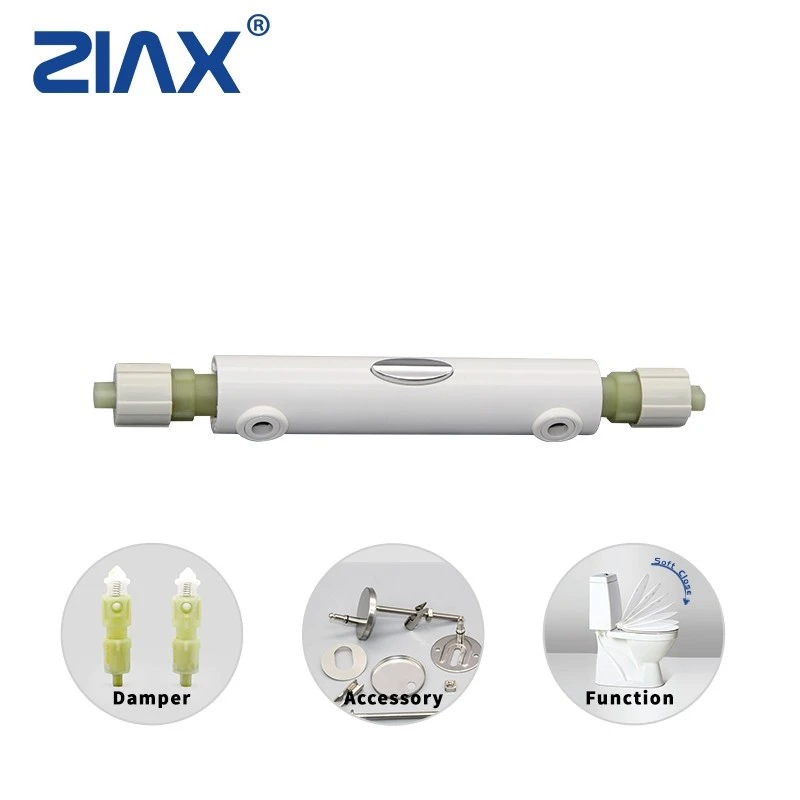

In conclusion, a PP Slow Close Damper can definitely be used in high - humidity environments. Its resistance to corrosion and low water absorption rate make it a suitable choice for many applications in these conditions. However, it's important to take some precautions, like keeping the damper clean and being aware of the potential effects on the lubricant.
If you're interested in purchasing PP Slow Close Dampers for your high - humidity applications, I'd love to have a chat with you. Whether you're a homeowner looking to upgrade your cabinets or a business owner in need of dampers for your products, we can work together to find the right solution for you. Just reach out, and we can start discussing your specific requirements.
References
- Polymer Science textbooks for information on polypropylene properties
- Industry reports on the performance of plastic dampers in different environments


