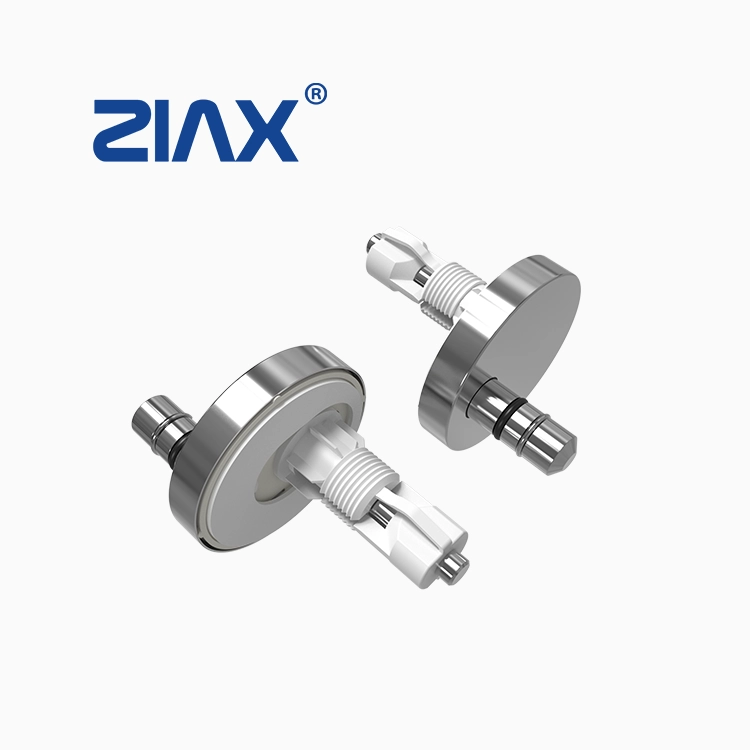
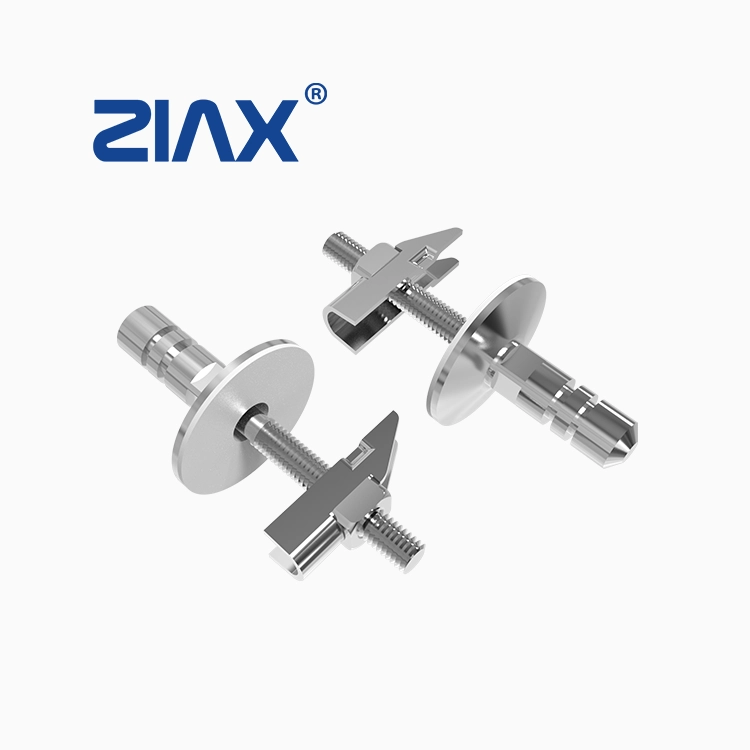
Rotary Dampers for OEM, Wholesale & Soft-Close Systems
ZIAX is a rotary damper manufacturer and supplier in China, providing soft-close damping components for toilet seats, controlled lids and related hinge systems. Our factory supports OEM, wholesale and project sourcing with model-specific options for torque, damper size, shaft interface, rotation direction and operating angle. To select a suitable damper, evaluate the actual moving load, center-of-mass geometry, hinge interface, closing travel, operating temperature and required cycle performance together—not torque value alone.
-
![RDZ156H‑180 Slow Close Rotary Damper | Stable Damping For Toilet Seat]() RDZ156H‑180 Slow Close Rotary Damper | Stable Damping For...Item Number: RDZL98N‑230. Housing Material: PA66+30%GF. Cap Material: PA66+30%GF. Shaft Material: PA66+50%GF. Torque: 0.8-2.4 N.m. Lead Time: 20 working days. OEM is accepted,your tag,label,logo. RDZ156H‑180 slow‑close rotary damperread more
-
![RDZL98N‑230 Slow Close Rotary Damper, Durable Stable Damping]() RDZL98N‑230 Slow Close Rotary Damper, Durable Stable DampingItem Number: RDZL98N‑230. Housing Material: PA66+30%GF. Cap Material: PA66+30%GF. Shaft Material: PA66+50%GF. Torque: 1.0-3.0 N.m. Lead Time: 20 working days. OEM is accepted,your tag,label,logo. Sample:it is necessary,will send our sampleread more
-
![Toilet Seat Rotary Damper Set RDZ163H-200]() Toilet Seat Rotary Damper Set RDZ163H-200• RDZ163H-200 rotary damper set for soft-close toilet seats• 1.0–3.5 N·m torque range for seat and lid matching• 20 mm damper size with 0°–110° operating angle• PA66+50%GF shell and shaft for reinforced structure• >50,000 slow-drop cyclesread more
-
![Slow Close Rotary Damper Durable, Stable Damping & Long-Lasting Performance]() Slow Close Rotary Damper Durable, Stable Damping & Long-L...RDZ163N-180 toilet seat slow close Rotary damper is designed for soft-closing, enabling silent, shock-free descent with a precise and reliable structure.It has clear specifications, including model, opening angle, torque range, dimensionsread more
-
![Silent Soft Close Damper]() Silent Soft Close DamperItem Number: 16G. Shell Material: PA66+50%GF. Shaft Material: Zinc. Torque: 1.0-3.0 N.m. Lead Time: 20 working days. OEM is accepted,your tag,label,logo. Sample:it is necessary,will send our sample firstly to check qualityread more
-
![Toilet Seat Soft Close Dampers]() Toilet Seat Soft Close DampersItem Number: 20D. Shell Material: PA66+50%GF. Shaft Material: PA66+50%GF. Torque: 1.0-3.0 N.m. Lead Time: 20 working days. OEM is accepted,your tag,label,logo. Sample:it is necessary,will send our sample firstly to check qualityread more
-
![A025 PP Compatible Damper | 20 mm, 1–3.5 N·m | ZIAX]() A025 PP Compatible Damper | 20 mm, 1–3.5 N·m | ZIAX• A025 rotary damper for selected PP toilet seats• 20 mm listed damper size for interface matching• 1.0–3.5 N·m torque range for hinge selection• PA66 + 50% GF housing and shaft• 0°–110° listed opening and closing angle• CW/CCW and shaftread more
-
![Ziax DN16E-100 Slow Close Damper: Versatile Solution For Bathroom]() Ziax DN16E-100 Slow Close Damper: Versatile Solution For ...16mm bidirectional slow-close damper designed for toilet seats and commercial buffet plate lids.Adjustable torque range (1–4.7 N·m) ensures smooth, controlled closing for varied load requirements.Silent anti-slamming performance enhancesread more
-
![Chafing Dish Soft closed Rotary damper]() Chafing Dish Soft closed Rotary damperItems: SD20F. Shell Material: PA66 + 30% GF. Main Damper Material: Zinc. Torque: 5.0-12.5 N.m. Application: Soft closed Rotary damper . Feature: Smooth rotation, silent soft closing, durable performance. Lead Time: 30 working days. OEM isread more
-
![Seat Outdoor Trash Can Rotary Soft Close Damper]() Seat Outdoor Trash Can Rotary Soft Close DamperItems: CN89D. Shell Material: SPCC. Main Damper Material: Zinc. Torque: 5-40kgf.cm. Lead Time: 30 working days. OEM is accepted,your tag,label,logo. Sample:it is necessary,will send our sample firstly to check quality.read more
-
![Ziax Rotary Damping Solution For Toilet Seat Systems]() Ziax Rotary Damping Solution For Toilet Seat SystemsPrecision rotary damper delivering smooth, silent soft-close performance for toilet seat systems.Compact POM-engineered structure ensures stable torque and long-term durability in humid environments.Optimized torque range supports lids andread more
-
![Precision Slow Close Damper for Toilet Seat Covers With Smooth & Silent Motion]() Precision Slow Close Damper for Toilet Seat Covers With S...ZX1801 damper: dual-rotation, fits toilets, reduces noise/pinching50k-cycle test: durable, no decay, exceeds industry standardsOEM/ODM available: custom specs, design and packagingZiax strengths: ISO-certified, B2B customization & fullread more


Start with the Application, Then Compare the Damper Model
A rotary damper should be selected from the actual mechanism rather than from appearance or a generic torque number. These current ZIAX products illustrate different toilet-seat and controlled-lid directions. Click any product card to review the model-specific page.

RDZ163H-200 Toilet Seat Damper Set
20 mm · 1.0–3.5 N·m · 0°–110°. A current reference for soft-close toilet-seat and lid matching.
View RDZ163H-200 →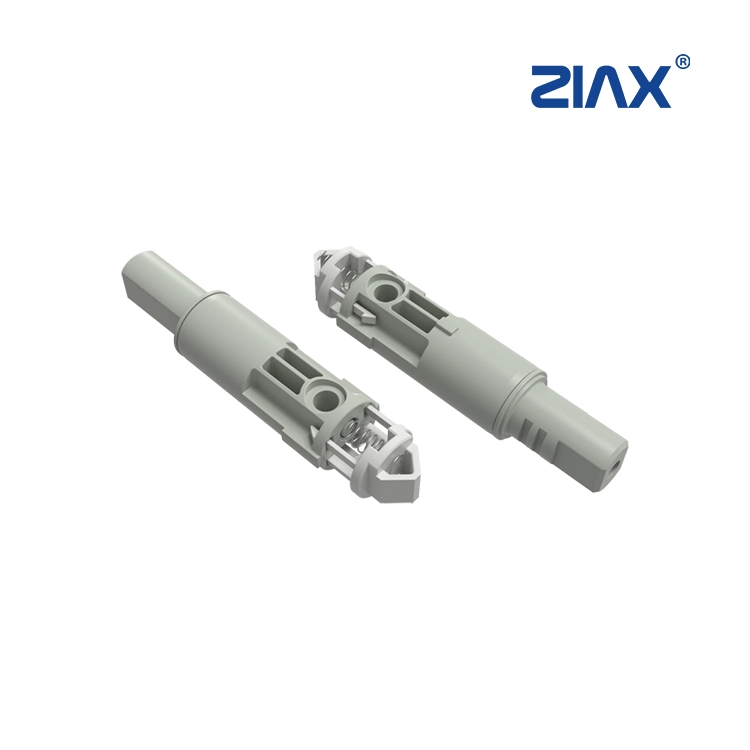
A025 PP-Compatible Rotary Damper
20 mm · 1.0–3.5 N·m · 0°–110°. Check shaft geometry, direction and hinge cavity before approval.
View A025 →
16G Silent Soft-Close Damper
A compact toilet-seat damper option with model-specific shaft and torque requirements for hinge matching.
View 16G →
Chafing Dish Soft-Close Damper
A controlled-lid application where the damper must be matched to lid load, mechanical interface and required travel.
View Chafing Dish Damper →What Buyers Should Provide Before a Rotary Damper Is Selected
Torque is important, but it is not enough by itself. The required damping resistance changes with the moving load, center-of-mass distance, hinge geometry, travel angle and the closing behavior expected from the finished assembly.
| Selection Input | What to Provide | Why It Matters |
|---|---|---|
| Moving load | Seat weight, lid weight or lid assembly mass. | The load is one of the main inputs for the required damping resistance. |
| Center-of-mass geometry | Distance from the rotation axis to the effective center of mass or a controlled drawing. | The same mass can create a different moment when the geometry changes. |
| Target closing behavior | Required closing feel, closing-time criterion or approved reference sample. | Prevents over-damping or a closing speed that is too fast. |
| Damper envelope | Available diameter, length, mounting depth and installation space. | A torque match is unusable when the component cannot fit inside the mechanism. |
| Shaft and interface | Shaft profile, engagement depth, hinge cavity and locating features. | The damper must mechanically engage with the mating hinge or lid component. |
| Rotation direction | Required CW / CCW function and left/right orientation. | Some assemblies use different functions or directions on opposite sides. |
| Operating angle | Required movement from open to closed and any mechanical stops. | Confirms that the damper works within the real movement range. |
| Temperature and lifecycle | Service temperature, storage conditions, cycle target and failure criteria. | Viscous damping behavior and acceptance criteria can change with test conditions. |
The Damper and Hinge Must Work as One Soft-Close System
For a toilet seat, the damper controls the closing motion while the hinge positions and supports the seat. These functions should be reviewed together. A damper that has the correct nominal torque can still fail the project if the shaft interface, hinge cavity, mounting direction or seat geometry is different.

Tube Damper Hinge Set
This original Damper-category image is retained to show why the damper should be evaluated together with the hinge interface, not as an isolated cartridge.

Soft-Close Assembly Matching
Confirm the damper body, shaft, hinge sleeve, left/right function and finished seat-and-lid behavior before bulk approval.
- Check whether the seat ring and lid use separate damping functions.
- Confirm left/right orientation and CW/CCW damping direction.
- Verify shaft form, engagement depth and the hinge cavity from the same drawing datums.
- Evaluate the completed hinge assembly on the intended toilet seat rather than approving the damper alone.
Compare Current Toilet Seat Damper Directions
The table below is for initial model screening only. Final approval still requires the current controlled drawing and an assembled sample.
| Model | Published Direction | Key Listed Data | Buyer Check |
|---|---|---|---|
| RDZ163H-200 | Soft-close toilet seat rotary damper set. | 20 mm; 1.0–3.5 N·m; 0°–110°. | Seat/lid load, hinge geometry, shaft interface and required torque. |
| A025 | Selected PP toilet-seat hinge assemblies. | 20 mm; 1.0–3.5 N·m; 0°–110°; CW/CCW to be specified. | Housing pocket, shaft profile, engagement depth and left/right orientation. |
| 16G | Silent soft-close toilet-seat damper. | Model-specific compact damper configuration. | Current drawing, torque, shaft and hinge assembly before order approval. |
For a broader toilet-seat damper shortlist, continue to the toilet seat rotary damper category. For controlled food-service lid mechanisms, review the chafing-dish soft-close damper separately.
Define Damper Performance as a Testable Requirement
A published cycle number or torque range is useful only when the test conditions are clear. For OEM and replacement sourcing, write the required conditions into the sample approval and purchase specification.
Torque / Closing Behavior
Define the target configuration, allowed closing-time range or approved reference behavior on the final assembly.
Cycle Endurance
State cycle count, movement angle, load, temperature, test fixture and the failure or drift limit.
Temperature Stability
Specify the operating and storage temperature range when consistent damping across environments matters.
Interface Retention
Inspect shaft engagement, hinge retention, locating features and assembly play after cycling.
Noise & Impact
Evaluate the complete moving assembly for slamming, abnormal noise or incomplete closure.
Production Consistency
Agree the inspection method for model identity, dimensions, function and any torque/closing check used for production acceptance.
Source Rotary Dampers from a Manufacturer and Factory in China
When comparing a rotary damper manufacturer, supplier or factory in China, evaluate more than unit price. The useful question is whether the supplier can match the component to the real mechanism, control the approved model through production and support the documents, samples and packaging required for repeat orders.
Manufacturer Capability
Confirm model selection, interface review, sample matching, production control and any required damper/hinge coordination.
Supplier Coordination
Align MOQ, lead time, sample terms, packaging, destination market, Incoterm and required documents on the same quotation basis.
Factory Quality Control
Define the inspection points and functional acceptance criteria that apply to the quoted SKU rather than relying only on a general quality statement.
Component Matching
For toilet-seat programs, review the damper, hinge, seat and lid as one system where the selected product architecture requires it.
Build the Damper Specification Around the Finished Mechanism
OEM and private-label sourcing can involve torque selection, shaft or interface requirements, labels, packaging and project documentation. The feasible scope must be confirmed against the selected model and mechanical design.
| RFQ Item | What to Send | Approval Output |
|---|---|---|
| Application | Toilet seat, lid, chafing dish or other mechanism description. | Correct product family and model shortlist. |
| Mechanical drawing | Damper pocket, shaft, hinge and surrounding envelope dimensions. | Interface and installation-space review. |
| Load & motion | Moving mass, center-of-mass geometry, travel angle and required closing behavior. | Torque direction and sample configuration. |
| Environment | Operating/storage temperature and any humidity or cleaning conditions. | Test conditions and project suitability review. |
| Commercial scope | Quantity, destination country, packaging, labeling and Incoterm. | Comparable quotation and delivery scope. |
Continue from Damper Selection to System Approval
Rotary Damper Purchasing Questions
Provide the moving load, center-of-mass geometry or assembly drawing, required closing behavior, installation envelope, shaft interface, rotation direction, operating angle, temperature conditions and cycle requirement. For replacement sourcing, include the existing component and hinge dimensions.
No. A candidate also needs the correct housing dimensions, shaft geometry, engagement depth, rotation direction, working angle and interface with the hinge or lid mechanism. Final approval should be made on the intended assembly.
No. Toilet seats can use different damper diameters, shaft profiles, hinge cavities, left/right functions, torque requirements and mechanical stops. Treat “universal” descriptions cautiously and confirm the actual interface.
No. Quick release is a hinge or detachable-seat function. The damper controls closing motion. A toilet seat may combine soft close and quick release, but they are separate functions within the complete hinge system.
Ask for the exact model, drawing, torque configuration, rotation direction, shaft and housing dimensions, operating angle, sample conditions, cycle acceptance method, packaging, MOQ, lead time and OEM scope. Compare suppliers against the same mechanical specification.
For an initial review, provide clear photos, model markings, body and shaft dimensions, hinge cavity details, left/right function, original torque if known and the required closing behavior. A drawing or physical sample may be needed before an alternative is approved.
Request Rotary Damper Matching & Quote
Send the mechanism information that determines torque and interface fit. A drawing or existing sample is more useful than a generic request for a “soft-close damper.”
- Application and moving load
- Damper / hinge / shaft drawing or sample
- Required torque or target closing behavior
- CW / CCW direction and operating angle
- Temperature and cycle requirement
- Quantity, destination country and OEM requirements
We're professional damper manufacturers and suppliers in China, specialized in providing high quality customized service. We warmly welcome you to wholesale bulk cheap damper from our factory. For price consultation, contact us.
-
![HSA023ZZ Adjustable Toilet Seat Hinge 60mm Base | ZIAX]() HSA023ZZ Adjustable Toilet Seat Hinge 60mm Base | ZIAX• 60 mm base for defined mounting geometry• PA66+GF hinge body with SS304 pin cover• 130–180 mm adjustable mountingread more
-
![HSA052Z1 Adjustable Toilet Seat Hinge 55mm Base | ZIAX]() HSA052Z1 Adjustable Toilet Seat Hinge 55mm Base | ZIAX• 55 mm base for defined mounting geometry• PA66+GF hinge body with SS304 pin cover• 130–180 mm adjustable mountingread more
-
![HSA019ZS Adjustable Toilet Seat Hinge 130–180 mm | ZIAX]() HSA019ZS Adjustable Toilet Seat Hinge 130–180 mm | ZIAX• 45 mm hinge base diameter• PA66+GF hinge body with SS304 pin cover• 130–180 mm adjustable mounting range• M5, M6 andread more
-
![HSA137Z1 SS304 Non-Adjustable Toilet Seat Hinge | ZIAX]() HSA137Z1 SS304 Non-Adjustable Toilet Seat Hinge | ZIAX• 10 mm pin head for fixed-interface matching• SS304 hinge body, pin cover and nut• Non-adjustable fixed hingeread more
-
![HSA002ZL Adjustable POM Toilet Seat Hinge Set | ZIAX]() HSA002ZL Adjustable POM Toilet Seat Hinge Set | ZIAX• Adjustable POM frame for hinge positioning• SS304 bolt with nylon nut fixing• SS201 gasket in the hinge assembly• M5,read more
-
![HSA130Z1 7mm Non-Adjustable Toilet Seat Hinge | ZIAX]() HSA130Z1 7mm Non-Adjustable Toilet Seat Hinge | ZIAX• 7 mm pin head for fixed toilet seat hinge matching• SS304 hinge body, pin cover and nut• Non-adjustable structure forread more