Can You Replace a Toilet Seat Damper Yourself?
Yes-if the damper is a separately serviceable part and you can identify a compatible replacement. But many soft-close toilet seats integrate the damper into the hinge cartridge, so the correct repair may be a damper pair, a hinge-and-damper assembly, or the complete seat rather than one generic part.
Before removing anything, confirm six items: damper dimensions, shaft or seat-side interface, rotation direction, opening angle, required torque, and whether the left/right dampers are different. If these do not match, a damper that physically fits can still close too fast, too slowly, bind, or fail to engage.
This is the main weakness of "universal damper" replacement advice: size alone does not prove functional compatibility.

A rotary damper is a precision interface component. Match torque, dimensions, rotation and shaft geometry before replacement.
First Decide Whether the Damper Is Actually Replaceable
Separate Damper Cartridge
If the damper can be removed from the hinge or seat without damaging the assembly and an exact interface is available, separate replacement may be practical.
Integrated Hinge-Damper Unit
If the damper is built into a hinge body or proprietary shaft system, replace the approved hinge/damper assembly rather than forcing a generic insert.
Seat Structure Is Damaged
If hinge bosses, seat holes, inserts or surrounding material are cracked, replacing only the damper will not correct the structural problem.
Do not open or refill a sealed rotary damper unless the manufacturer provides a service procedure. Oil leakage, loss of damping or internal wear normally indicates replacement of the sealed damper component.
What Must Match Before You Buy a Replacement Damper?
| Compatibility Item | What to Record | What Goes Wrong if It Is Wrong |
|---|---|---|
| Body dimensions | Overall length, body diameter and any shoulder or locating dimensions. | The damper may not seat fully or may interfere with the hinge housing. |
| Shaft / interface geometry | Shaft diameter, flats, splines, slots, holes and insertion depth. | The damper may slip, bind or fail to transfer torque to the seat/lid. |
| Rotation direction | Left/right position and damping direction during closing. | The damper can resist the wrong motion or provide little damping during closing. |
| Opening angle | Required rotational range of the installed seat/lid. | The damper can reach an internal stop before the seat reaches its intended position. |
| Torque | Seat/lid mass, geometry and required closing behavior or the original approved damper specification. | Too little torque allows fast closing; too much can make movement slow, stiff or incomplete. |
| Left/right pairing | Whether the seat uses two dampers, one active damper plus one pivot, or different left/right torque functions. | The seat and lid can close unevenly or one side can carry unintended load. |

The damper does not work in isolation. The hinge and seat-side interface determine how the damping torque reaches the moving seat or lid.
Why a Damper That Looks Similar Can Still Be Incompatible
The soft-close function is created by the relationship between the damper shaft and the hinge/seat structure. A few millimeters of dimensional difference, a different shaft flat, or the wrong rotation direction can make a replacement unusable even when the outside body looks almost identical.
For current ZIAX hinge programs, use the latest model designation and controlled drawing. For example, the quick-release hinge family is now referenced by the current HSA019ZS model rather than older legacy numbering.
How to Replace a Serviceable Toilet Seat Damper
Document the Original
Photograph the installed hinge, damper orientation, left/right position and any markings before disassembly. Record the toilet-seat model if available.
Remove the Seat or Hinge Cover
Follow the seat's actual release or fixing method. Some quick-release seats detach from the hinge posts without removing the bowl fixings.
Remove the Damper Without Forcing It
Release the approved retaining feature and pull the cartridge in the intended direction. Do not pry against a plastic seat boss or twist a keyed shaft.
Install and Function-Test
Install the matched replacement in the correct orientation, reassemble the hinge, then test opening, closing, alignment and lateral stability several times.
Stop if the damper requires unusual force to insert. Excessive insertion force is often a sign of the wrong shaft, body diameter, orientation or seat-side interface.
Why Model-Level Damper Specifications Matter
The current ZIAX range demonstrates that toilet seat dampers can share a similar purpose while using different dimensions and torque ranges. These are model-specific references, not interchangeable specifications.
| Current Product | Published Specification | Replacement Lesson |
|---|---|---|
| CN20D Toilet Seat Rotary Damper Set | 20 mm; 0°–110°; 1.0–3.5 N·m; PA66+50%GF housing and shaft. | Torque range and dimensions must match the complete seat rather than the product name alone. |
| 2003 Soft Close Toilet Seat Damper | 20 mm; 0°–110°; 1.0–3.0 N·m; PA66+50%GF housing and shaft. | A similar 20 mm body does not mean the same approved torque or seat interface. |
| 2038 UF Soft Close Damper | 22 mm; 0°–110°; 1.0–3.0 N·m; PA66+50%GF housing and shaft. | A 22 mm UF-oriented configuration should not be substituted for a 20 mm cartridge without interface confirmation. |
| 16G Silent Soft Close Damper | 16 mm; 0°–110°; 1.0–3.0 N·m; PA66+50%GF housing with zinc shaft. | Material, body size and shaft construction can all differ between apparently similar soft-close parts. |
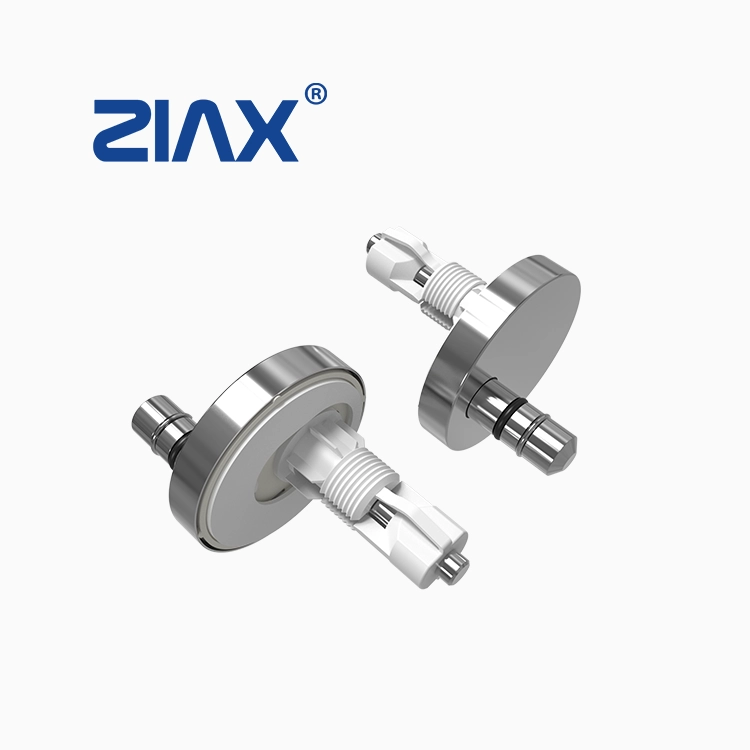
CN20D Rotary Damper Set
Use as a model-specific example when the replacement project needs confirmed torque and dimensional matching.

Match the Complete Seat System
Closing behavior depends on the moving mass and geometry of the finished seat, not only on the rotary damper.

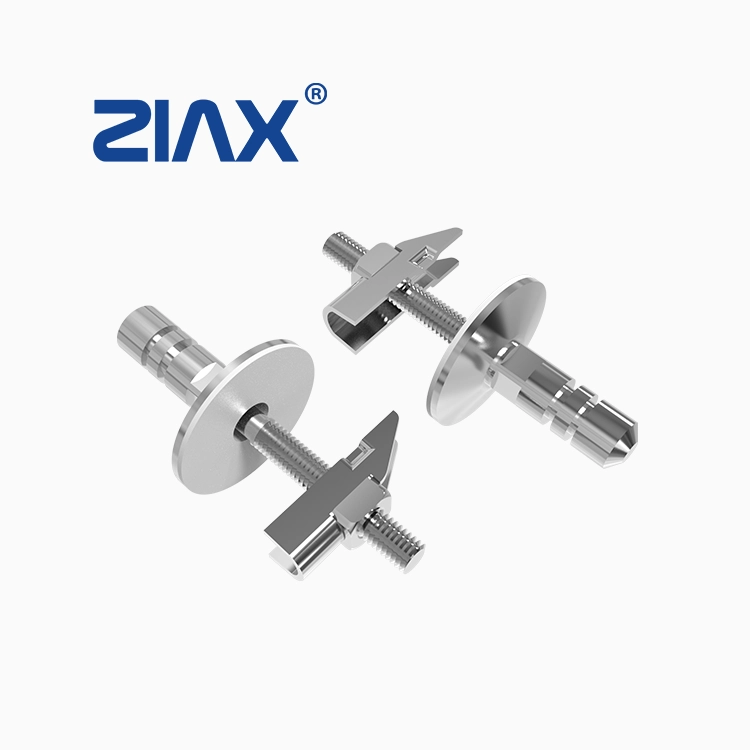
HSA019ZS Hinge Interface
Use the current hinge model and latest drawing when the damper interfaces through a proprietary hinge or release structure.
When a New Damper Does Not Fix the Soft-Close Problem
| Symptom After Replacement | Possible Cause | What to Check |
|---|---|---|
| Seat still slams | Torque too low, wrong damping direction, shaft not engaged or only one damper is active. | Torque specification, left/right position, shaft interface and closing direction. |
| Seat barely closes | Torque too high, damper binding or installed at the wrong angular position. | Original specification, orientation, opening angle and free movement of the hinge. |
| One side closes faster | Left/right dampers differ, one side is not fully engaged or one damper is damaged. | Pair identification, insertion depth and hinge alignment. |
| Seat wobbles | Hinge/fixing issue rather than a damper issue. | Bowl fixings, hinge adjustment range, bumper support and seat-to-bowl compatibility. |
| Oil appears around damper | Seal failure or damage to a fluid-filled rotary damper. | Replace the affected sealed damper and inspect the seat/hinge for abnormal loading. |
| Lid closes well but seat does not | Different moving masses or separate damping functions for lid and seat. | Which damper controls each moving part and the approved torque for both. |
Replacement Information That Helps Identify the Correct Damper
Damper Photos & Dimensions
- Overall body length and diameter
- Shaft diameter and interface shape
- Visible markings or model code
- Left/right installed position
Seat & Hinge Information
- Toilet-seat model and material
- Seat and lid weight if available
- Current hinge model
- Photos of the hinge and damper cavity
Required Function
- Closing speed or original torque
- Opening angle
- Quick-release requirement
- Quantity and destination market
Continue from Damper Replacement to the Complete Soft-Close System
Toilet Seat Damper Replacement FAQ
Yes, when the seat uses a separately serviceable damper and the correct replacement is available. Check dimensions, shaft interface, rotation direction, angle and torque first. Integrated hinge-damper systems may require replacement of the complete hinge assembly instead.
No. Dampers can differ in body size, shaft geometry, rotation direction, opening angle, torque and left/right function. A similar appearance does not prove compatibility.
The safest reference is the original approved damper specification. For new matching, torque should be selected against the seat/lid mass, center of gravity, hinge geometry, rotation direction and desired closing behavior, then verified on the finished seat.
A sealed rotary damper should normally be replaced if it leaks or loses damping, unless the manufacturer provides a specific service procedure. Opening or refilling a sealed unit can change torque and sealing performance.
The replacement may have insufficient torque, the wrong damping direction, an incompatible shaft interface or poor engagement. Also check whether the hinge is loose or the seat is misaligned, because those are not damper faults.
Not always. Some quick-release seats can be detached from the mounted hinge first, while other designs require access to the hinge or removal of the seat. Follow the actual seat and hinge structure rather than assuming one removal method.
Send clear damper and hinge photos, body and shaft dimensions, visible markings, left/right position, toilet-seat model, current hinge model, seat/lid weight if available, required closing behavior, quantity and destination market.
Send the Old Damper, Hinge and Seat Details for Matching
Please include clear photos, damper body and shaft dimensions, left/right position, toilet-seat model, current hinge model, required closing behavior or original torque, quantity, destination country and any OEM requirements.
Get a Damper Matching Recommendation