Choose Fit First, Then Damping and Finish
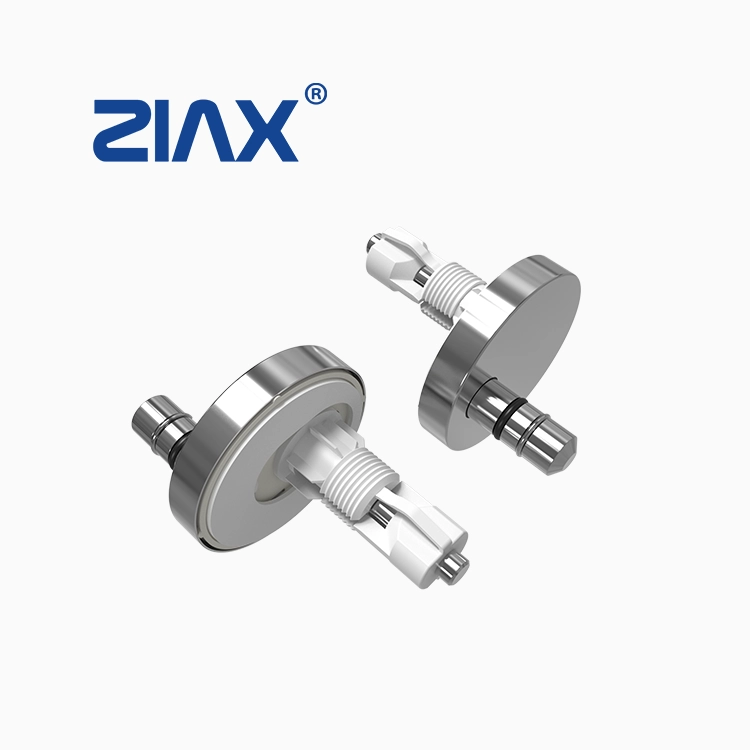
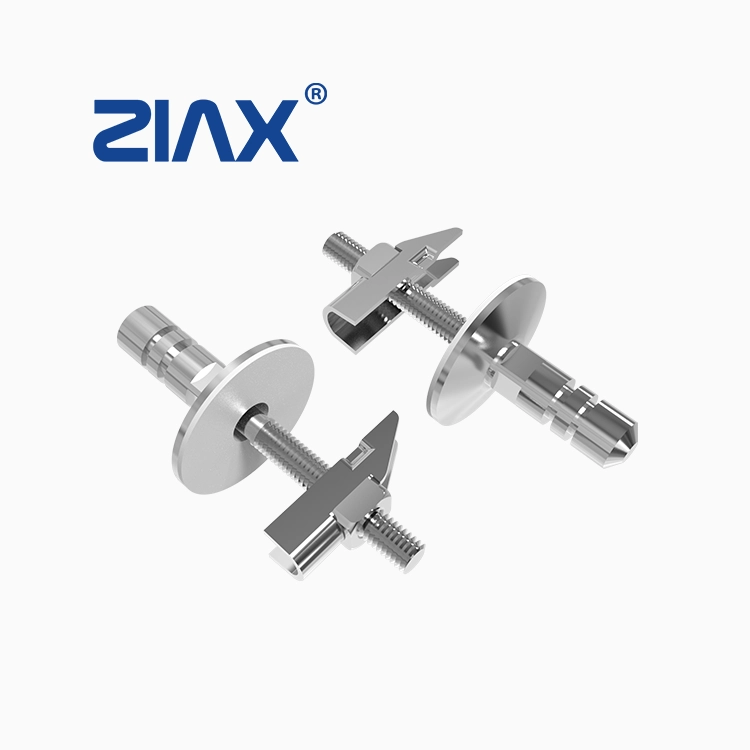
The right soft close toilet seat hinge must match both the ceramic bowl and the toilet seat assembly. Start with mounting-hole centers, fixing access, hinge adjustment range and the seat-side interface. Then match the damper to the seat and lid weight, required closing behavior and opening angle.
For OEM and replacement projects, quick release, material and appearance should be specified only after the mechanical fit has been confirmed. A hinge described as "adjustable" or "universal" still has dimensional limits.

1. Confirm the Bowl, Seat and Hinge Interface
Compatibility is the first selection gate. A hinge can have the correct material and a good damping mechanism but still fail to fit, align or remain stable if the ceramic mounting geometry and seat interface are different from the intended design.
| Compatibility Check | What to Measure or Confirm | Why It Matters |
|---|---|---|
| Fixing-hole centers | Measure the center-to-center distance between the two ceramic mounting holes. | The hinge adjustment range must actually cover the required position. |
| Fixing access | Confirm whether the fasteners can be reached from below the bowl. | This determines whether top-fix or bottom-fix hardware is more appropriate. |
| Ceramic-hole dimensions | Record the hole diameter and the available fixing depth or plug space. | The bolt, expansion plug or fixing system must lock securely in the ceramic. |
| Seat-side interface | Check the hinge block, shaft, mounting plate and rear seat structure. | A bowl-side fit does not guarantee that the hinge will connect correctly to the seat. |
| Adjustment range | Compare the required seat position with the actual hinge adjustment range. | Operating at the extreme end of the adjustment range can make alignment and stability more difficult. |
| Rear clearance | Check clearance to the cistern, wall, hinge covers and opening path. | The seat and lid need enough space to open without interference. |
Buyers sourcing the complete fixing system can compare our toilet seat hinge sets and fixing kits. If the complete seat also needs to be selected, review the toilet seat range before finalizing the hinge interface.
2. Top-Fix, Bottom-Fix, Quick-Release and Soft-Close Are Different Decisions
These terms describe different parts of the hinge system. Top-fix and bottom-fix describe how the seat is attached to the ceramic. Quick release describes how the seat detaches for cleaning. Soft close describes how the seat or lid is slowed during closing.
Top-Fix
Fastened from above the ceramic. It is especially useful when the underside of the fixing area cannot be reached conveniently.
Bottom-Fix
Uses hardware tightened from below the ceramic. Confirm underside access, bolt length, washers and nut arrangement.
Quick-Release
Allows the seat to detach from the mounting base for easier cleaning or service. The locking interface still requires dimensional matching.
Soft-Close
Uses a damper or integrated damping structure to control closing movement. Damper torque must suit the complete seat and lid system.
For more detail on removable seat structures, see our quick-release toilet seat hinge guide.
3. Match the Damper to Seat and Lid Load
A soft-close mechanism works by adding controlled resistance to rotational movement. The correct resistance depends on more than hinge size. Seat weight, lid weight, hinge geometry, operating angle and the required closing feel all influence the appropriate damper specification.
Too little damping can allow the seat or lid to descend too quickly. Excessive damping can make the movement unnecessarily slow or change the operating feel. For an OEM project, specify the target closing behavior and evaluate it on the finished seat rather than approving the damper as an isolated component.
Our toilet seat damper range includes multiple configurations for different seat systems. The damper and mounting hinge should be evaluated together when both are part of a new seat design.

RDZ163H-200 Reference Configuration
The RDZ163H-200 configuration uses PA66+50%GF for its shell and shaft. These specifications apply to this model and should not be treated as specifications for every toilet seat damper. Review the RDZ163H-200 rotary damper set when a 20 mm damper and this torque range match the project direction.
| Damper Input | What the Buyer Should Provide | Selection Purpose |
|---|---|---|
| Seat and lid weight | Finished seat weight, lid weight or an approved product drawing. | Helps determine the damping resistance required by the complete system. |
| Target closing behavior | Describe the required closing feel or agreed closing-time criterion. | Allows torque selection to reflect the actual user requirement. |
| Opening angle | Required seat and lid operating angle. | Confirms that the damper works within the intended movement range. |
| Interface geometry | Damper diameter, shaft form, hinge cavity and available installation space. | Prevents mechanical interference or an incompatible shaft connection. |
| Cycle requirement | Required cycle count, test load, temperature, angle and failure criteria. | Creates a clear acceptance standard for sample and production validation. |
For the operating principle of the damping component, see what a toilet seat damper does.
4. Select Hinge Material for the Complete Assembly
Material should be considered together with structural design, visible finish, corrosion exposure, load and cost target. The visible hinge and the internal damper do different jobs, so material selection should not be reduced to a single "best material."
Stainless Steel
Commonly selected for visible hinge and fixing components where corrosion resistance, rigidity and a metallic appearance are priorities.
Zinc Alloy
Can provide a strong metal structure with different plated or finished appearances. Evaluate the complete coating and corrosion requirement.
Engineering Plastics
Nylon, ABS, PA and reinforced engineering plastics may be used for hinge interfaces, fixing parts or damper components according to the design.

5. Add Quick Release When Cleaning Access Matters
Quick-release construction allows the seat to detach from its mounting base, making the ceramic area around the hinges easier to reach during cleaning. This can be useful in residential products and in applications where regular cleaning or service access is important.
The release mechanism should lock securely after reattachment and should not interfere with hinge alignment or soft-close movement. When both functions are required, evaluate the quick-release structure, hinge fixing and damper as one assembly.
Compare toilet seat hinge and fixing options together with the damper before approving a private-label seat program.
6. Match the Hinge Strategy to the Purchasing Situation
| Purchasing Situation | Recommended Starting Point | Information to Confirm |
|---|---|---|
| Replacing a loose or damaged hinge | Match the ceramic fixing method and the existing seat-side interface first. | Hole centers, hole diameter, fixing access, bolt system, adjustment range and rear-seat geometry. |
| Replacing only a failed damper | Match the original damper dimensions and mechanical interface before changing torque. | Damper size, shaft form, rotation direction, torque, operating angle and seat/lid weight. |
| New UF toilet seat | Evaluate hinge and damper performance on the finished rigid seat assembly. | Seat drawing, finished weight, hinge geometry, closing behavior, fixing method and sample test criteria. |
| New PP toilet seat | Match the hinge to the PP seat structure and evaluate closing behavior with the finished assembly. | Seat dimensions, flex and support points, seat/lid weight, hinge interface and required damping. |
| Hotel or commercial program | Prioritize repeatability, fixing security, cleaning access and agreed test requirements. | Usage conditions, cleaning process, cycle criteria, spare-part strategy and packaging requirements. |
| OEM or private-label development | Freeze the complete seat, hinge and damper specification after sample validation. | Drawings, materials, dimensions, finish, torque, quantity, branding, packaging and destination market. |
Material also affects the complete seat design. Compare UF toilet seats and PP toilet seats when the hinge is being selected for a new seat rather than as an isolated replacement part.
7. Validate the Complete Soft-Close System Before Mass Production
A technically suitable hinge still needs confirmation on the intended ceramic bowl and finished toilet seat. Sample testing should reproduce the production-intent seat, hinge, damper and fixing hardware as closely as practical.
- Confirm Geometry
Check ceramic fixing holes, seat position, hinge range, rear clearance and bumper contact. - Confirm Closing
Test both seat and lid movement with the intended damper and finished component weights. - Check Stability
Verify fastening security, lateral movement, alignment and reattachment where quick release is used. - Agree Test Criteria
Define cycle, load, temperature, appearance and failure criteria before approval. - Freeze the Specification
Approve dimensions, materials, torque, finish, hardware and packaging before bulk production.
8. RFQ Checklist for Soft Close Toilet Seat Hinges
Sending the right fit and performance data at the beginning reduces repeated sampling and makes hinge or damper matching more efficient.
Related Toilet Seat Hinge and Damper Resources
Soft Close Toilet Seat Hinge FAQ
Measure the ceramic fixing-hole centers and hole diameter, identify whether the installation requires top-fix or bottom-fix hardware, and confirm the hinge adjustment range, rear-seat geometry and seat-side interface. For a model-specific replacement, a drawing or physical sample is preferable to judging compatibility from appearance alone.
Soft close controls the closing movement through a damper or integrated damping mechanism. Quick release controls how the seat detaches from its mounting base for cleaning or service. A toilet seat can use either function independently or combine both when the complete hinge system is designed for them.
No. An adjustable hinge still has a defined adjustment range, base dimensions, fixing system and seat-side interface. Confirm that the required position falls comfortably within the available range and that the fixing hardware matches the ceramic bowl.
Torque should be evaluated with the finished seat and lid weight, hinge geometry, operating angle and required closing behavior. The correct damper is therefore selected as part of the complete seat system rather than from torque alone.
Yes, when the existing hinge remains mechanically suitable and the replacement damper matches the required diameter, shaft geometry, torque direction, operating angle and closing load. If the original damper cannot be matched reliably, evaluating the complete hinge and damper assembly may be more practical.
Send the toilet bowl drawing or fixing-hole measurements, seat material, seat and lid weight, rear hinge geometry, top-fix or bottom-fix requirement, required soft-close behavior, quick-release requirement, estimated quantity, destination country and any branding or packaging requirements.
Send Your Toilet Seat and Hinge Data for Matching
For replacement, private-label or new toilet seat development, send us the bowl fixing-hole centers, seat material, seat and lid weight, hinge interface, required closing behavior and estimated order quantity. We can review the available hinge and damper direction against your application before quotation.
Get Hinge Matching & Quote