What Is a Toilet Seat Damper?
A toilet seat damper is a rotary resistance component used in a soft-close toilet seat to slow the downward movement of the seat ring, lid, or both. Instead of allowing the moving part to fall freely under gravity, the damper applies controlled rotational resistance so the seat closes more slowly and quietly.
In simple terms: the hinge connects and positions the toilet seat; the damper controls closing speed. A damper is therefore one part of the complete soft-close system, not the complete hinge and not the toilet seat itself.

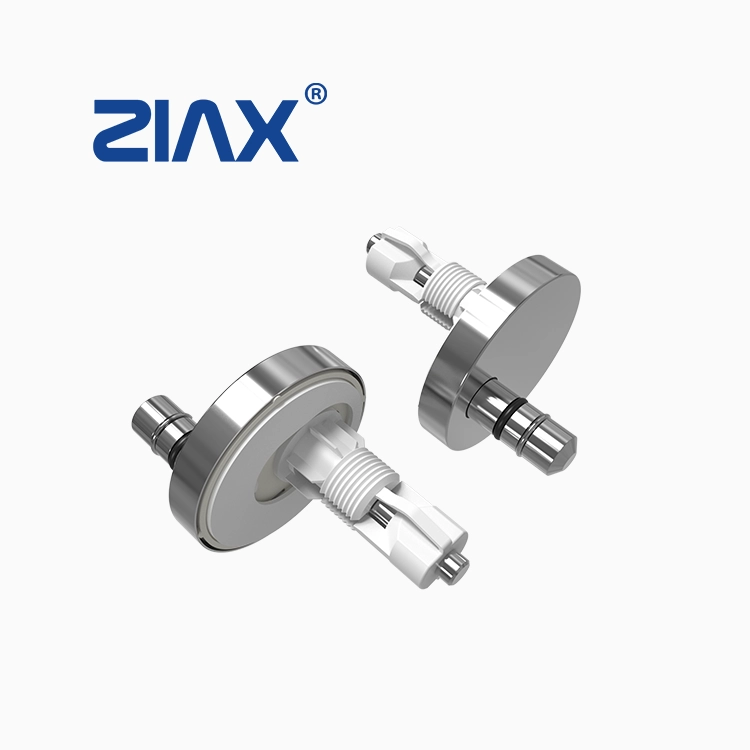
Current ZIAX model RDZ163H-200 is a toilet-seat rotary damper set. The image is intentionally coded at full container width to avoid CMS thumbnail-style shrinking.
How Does a Soft-Close Toilet Seat Damper Work?
The Seat Starts to Rotate
When the seat or lid is released, its weight creates rotational movement around the hinge axis.
The Damper Resists Rotation
The internal damping mechanism creates controlled resistance rather than allowing unrestricted movement.
Closing Speed Is Reduced
The selected torque and damper geometry slow the moving seat or lid through the designed angular range.
The Seat Reaches the Bowl Gently
Correctly matched damping reduces the final closing speed and the impact at the bowl and bumpers.
Internal construction varies by damper design. Many rotary dampers use viscous resistance, but buyers should rely on the exact model drawing and specification rather than assume every toilet-seat damper uses the same internal structure.

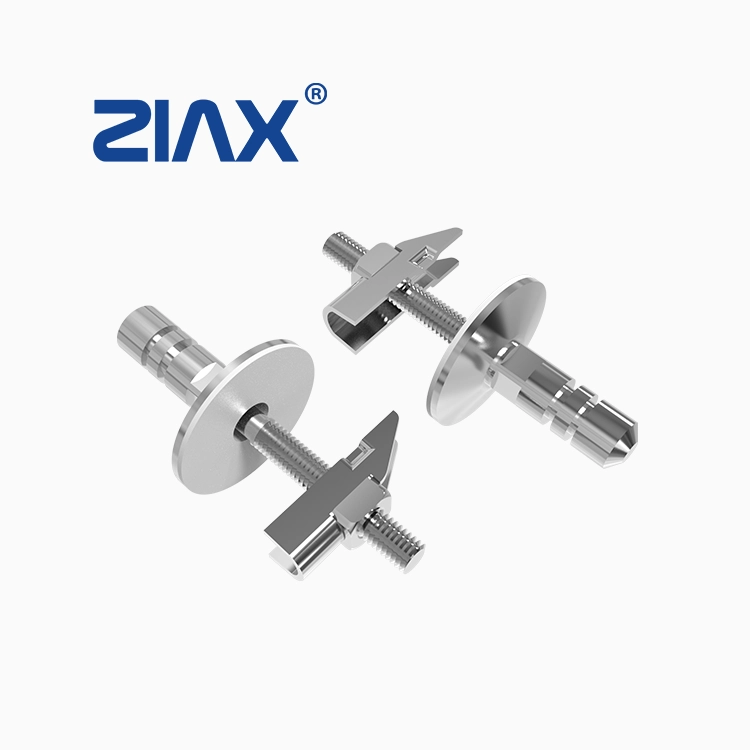
HSA019ZS is a current ZIAX quick-release hinge model. The hinge interface and damper must be treated as a matched mechanical system.
What Is the Difference Between a Toilet Seat Damper and a Hinge?
The hinge connects the seat to the toilet bowl and establishes the pivot position. The damper adds rotational resistance so the moving seat or lid does not drop freely.
Some products integrate the damper into the hinge body or shaft. Others use a separate damper cartridge that works with a dedicated hinge interface. This is why a replacement part must be matched by dimensions, shaft geometry, rotation direction and torque-not by appearance alone.
Which Damper Specifications Actually Matter?
| Specification | What It Describes | Why It Matters |
|---|---|---|
| Torque | The rotational resistance provided by the damper. | Too little torque can allow fast closing; too much can make closing excessively slow or incomplete. |
| Body size | The damper's overall diameter, length and locating features. | The part must physically fit inside the hinge or seat interface. |
| Shaft geometry | Diameter, flats, splines, slots and insertion depth at the drive interface. | The damper cannot transmit controlled torque if the shaft does not engage correctly. |
| Rotation direction | The direction in which damping resistance is required. | Left/right components may perform different functions or require opposite damping directions. |
| Operating angle | The angular travel available for the damper and moving seat/lid. | The damper must not reach its internal limit before the seat completes its intended movement. |
| Materials | Housing, shaft and other structural material choices. | Material selection affects strength, wear, dimensional stability and interface design. |
RDZ163H-200 Toilet Seat Rotary Damper Set
The current ZIAX damper category identifies RDZ163H-200 as the updated toilet-seat rotary damper set. The published category data lists the following model-specific specifications:
| Parameter | Published RDZ163H-200 Specification | Buyer Note |
|---|---|---|
| Model | RDZ163H-200 | Use the current model designation in new RFQs and content. |
| Damper size | 20 mm | Confirm the complete dimensional drawing before replacement or OEM approval. |
| Operating angle | 0°–110° | Verify against the actual seat/lid movement. |
| Torque range | 1.0–3.5 N·m | Final torque selection should be validated on the finished seat and lid. |
| Shell & shaft | PA66+50%GF | Treat this as model-specific material information. |
| Published cycling | >50,000 slow-drop cycles | A component cycle claim is not the same as a complete toilet-seat lifespan guarantee. |
Website data-cleanup note: the current category already identifies this product as RDZ163H-200, while some older product-detail content has not yet been fully synchronized with the current model system. New ZIAX content should use RDZ163H-200 and avoid copying stale legacy naming.
Why Damper Torque Must Match the Seat and Lid
A rotary damper is selected for a moving system, not in isolation. The weight of the seat or lid, its center of gravity, hinge geometry and required closing behavior all influence the torque requirement.
A damper that is physically the same diameter can still be unsuitable if its torque or shaft interface is wrong. This is especially important when one damper controls the lid and another controls the seat ring, or when left/right components have different functions.
For material context, compare UF toilet seats and PP toilet seats. The damper should be matched to the actual finished product rather than selected from material name alone.

Closing behavior depends on the moving seat/lid plus the hinge and damper. Damper selection should therefore be validated on the finished assembly.
Common Toilet Seat Damper Configurations
A removable damper works inside or beside a dedicated hinge interface. Replacement may be possible if the exact dimensions, shaft, direction and torque are available.
The damping component is mechanically integrated into a proprietary hinge. Service may require replacing the approved hinge/damper assembly rather than one generic cartridge.
Some designs use separate damping functions for the seat ring and lid. The left and right parts should not be assumed interchangeable.
How Can You Tell If a Toilet Seat Damper Is Failing?
| Symptom | Possible Damper Issue | Also Check |
|---|---|---|
| Seat suddenly slams | Loss of damping resistance, wrong engagement or failed cartridge. | Hinge looseness, shaft engagement and whether the problem is on the seat or lid side. |
| Closing becomes unusually fast | Reduced effective torque or internal wear. | Seat/lid configuration and whether parts were replaced or changed. |
| Seat closes too slowly or stops | Excessive torque, wrong orientation or binding. | Hinge alignment and whether the damper reaches its angular limit. |
| Left and right sides feel different | One component is not engaged, is worn, or the pair has different functions. | Left/right model identification and insertion depth. |
| Seat wobbles but closes slowly | The damper may be functioning normally. | Bowl fixings, hinge range, bumper support and overall seat compatibility. |
If the damper needs replacement, use the toilet seat damper replacement guide before ordering a visually similar part.
What Should a Buyer Send for Toilet Seat Damper Matching?
- Current damper model or visible product markings
- Damper body dimensions and shaft/interface drawing
- Required clockwise/counterclockwise damping direction
- Required opening angle
- Original torque specification or target closing behavior
- Seat and lid weight if available
- Current hinge model and hinge-side interface
- PP or UF toilet-seat platform
- Quantity, destination country and OEM/packaging requirements
For new development: a physical seat/hinge sample or controlled drawing is more useful than a generic request for a "20 mm soft-close damper." The same body diameter can be used with different torque and interface requirements.
Continue from Damper Basics to Selection and Troubleshooting
Toilet Seat Damper FAQ
A toilet seat damper is a rotary resistance component that slows the movement of a toilet seat or lid during closing. It works with the hinge and seat structure to create the soft-close function.
No. The hinge connects and positions the seat, while the damper provides controlled rotational resistance. Some products integrate both functions into one assembly, but they remain different mechanical functions.
As the seat or lid rotates downward, the damper creates resistance around the hinge axis. That resistance reduces closing speed so the moving part reaches the bowl more gently.
No. Dampers can differ in body size, shaft geometry, rotation direction, operating angle, torque and left/right function. Match the exact interface and performance requirement.
There is no universal torque. It depends on the seat or lid weight, center of gravity, hinge geometry, damping direction and desired closing behavior. The selected damper should be verified on the finished seat.
The current ZIAX product naming identifies the model as RDZ163H-200. The current category publishes a 20 mm size, 0°–110° operating angle and 1.0–3.5 N·m torque range for this model.
Sometimes. A separately serviceable cartridge can be replaced when the correct model or exact dimensions, torque and interface are available. Integrated hinge-damper systems may require replacement of the approved assembly instead.
Need a Rotary Damper Matched to Your Toilet Seat?
Please include the seat and lid drawing or sample, damper dimensions, shaft/interface details, required torque and rotation direction, opening angle, current hinge model, PP or UF seat material, quantity, destination country and any OEM requirements.
Get a Damper Matching Recommendation