


Measuring the damping force of a tube damper hinge set is a crucial process, especially for a supplier like me. In the market of tube damper hinge sets, understanding how to accurately measure the damping force is not only a technical requirement but also a key factor in ensuring product quality and meeting customer needs.
Understanding the Basics of Tube Damper Hinge Sets
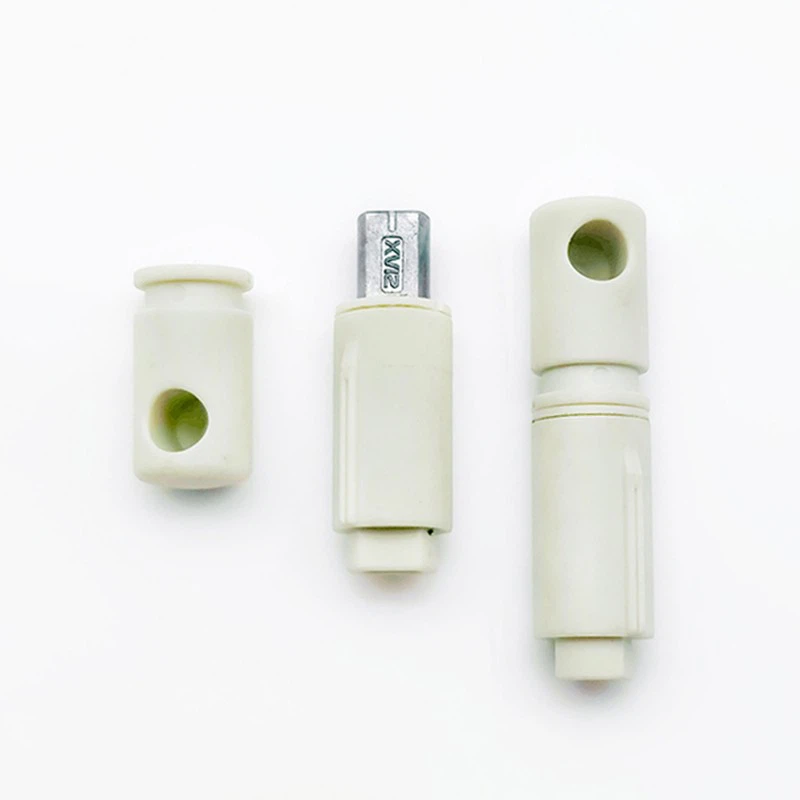
Before delving into the measurement methods, it's essential to understand what a tube damper hinge set is. A tube damper hinge set typically consists of a hinge mechanism and a damper. The damper is designed to control the movement of the hinge, providing a smooth and controlled motion. This is particularly important in applications where sudden or rapid movements need to be avoided, such as in furniture, cabinets, and toilet seats.
There are various types of tube damper hinge sets available in the market. For example, the PP Slow Close Damper is known for its slow - closing feature, which is ideal for applications where a gentle and quiet closing is required. The Toilet Seat Rotary Damper Set is specifically designed for toilet seats, providing a soft and silent closing experience. And the Soft & Silent Smart Toilet Damper takes it a step further with its smart features, enhancing the overall user experience.
Importance of Measuring Damping Force
The damping force of a tube damper hinge set plays a vital role in its performance. An appropriate damping force ensures that the hinge operates smoothly, without any jerks or sudden movements. If the damping force is too low, the hinge may close too quickly, which can cause damage to the hinge itself or the attached object. On the other hand, if the damping force is too high, the hinge may be difficult to open or close, leading to user dissatisfaction.
Moreover, different applications require different levels of damping force. For example, a cabinet hinge may need a relatively low damping force to allow for easy opening and closing, while a toilet seat hinge may require a higher damping force to ensure a slow and silent closing. Therefore, accurate measurement of the damping force is necessary to meet the specific requirements of each application.
Methods for Measuring Damping Force
1. Using a Force Gauge
One of the most common methods for measuring the damping force of a tube damper hinge set is by using a force gauge. A force gauge is a device that measures the force applied to an object. To measure the damping force using a force gauge, the following steps can be followed:
- Prepare the Test Setup: Mount the tube damper hinge set on a stable platform. Make sure that the hinge is installed correctly and can move freely.
- Attach the Force Gauge: Attach the force gauge to the moving part of the hinge. The force gauge should be attached in a way that it can accurately measure the force required to open or close the hinge.
- Perform the Measurement: Slowly open or close the hinge while recording the force reading on the force gauge. Take multiple measurements at different points during the opening and closing process to get an average value.
It's important to note that the measurement should be performed under controlled conditions. The temperature, humidity, and other environmental factors can affect the damping force, so it's recommended to perform the measurement in a laboratory environment.
2. Dynamic Testing
Dynamic testing is another method for measuring the damping force of a tube damper hinge set. This method involves subjecting the hinge to a dynamic load and measuring the response of the damper.
- Set up the Dynamic Testing Equipment: Use a testing machine that can apply a dynamic load to the hinge. The testing machine should be able to control the speed, acceleration, and amplitude of the load.
- Perform the Test: Apply a dynamic load to the hinge and measure the displacement and force of the hinge. The damping force can be calculated based on the relationship between the displacement and force.
Dynamic testing provides a more realistic measurement of the damping force, as it simulates the actual operating conditions of the hinge. However, it requires more sophisticated equipment and expertise.
3. Mathematical Modeling
Mathematical modeling is a theoretical method for predicting the damping force of a tube damper hinge set. This method involves using mathematical equations to describe the behavior of the damper.
- Understand the Physical Principles: The damping force of a tube damper hinge set is related to the viscosity of the damping fluid, the geometry of the damper, and the speed of the hinge movement. By understanding these physical principles, mathematical equations can be derived.
- Develop the Mathematical Model: Based on the physical principles, develop a mathematical model that describes the relationship between the damping force and other parameters. The model can be used to predict the damping force under different conditions.
While mathematical modeling provides a theoretical prediction of the damping force, it needs to be validated by experimental results. The accuracy of the model depends on the accuracy of the input parameters and the assumptions made in the model.
Factors Affecting Damping Force Measurement
1. Viscosity of the Damping Fluid
The viscosity of the damping fluid is one of the most important factors affecting the damping force. The higher the viscosity of the fluid, the higher the damping force. The viscosity of the fluid can be affected by temperature, so it's important to measure the damping force at a constant temperature.
2. Geometry of the Damper
The geometry of the damper, such as the size and shape of the orifice, also affects the damping force. A smaller orifice will result in a higher damping force, as it restricts the flow of the damping fluid.
3. Speed of the Hinge Movement
The speed of the hinge movement can also affect the damping force. Generally, the damping force increases with the speed of the hinge movement. Therefore, when measuring the damping force, it's important to specify the speed at which the measurement is taken.
Quality Control and Assurance
As a supplier of tube damper hinge sets, quality control and assurance are of utmost importance. Measuring the damping force is an essential part of the quality control process.

- Regular Testing: Conduct regular testing of the tube damper hinge sets to ensure that the damping force meets the specified requirements. This can be done during the production process and before the products are shipped to the customers.
- Documentation: Keep detailed records of the damping force measurements. This documentation can be used for quality control purposes and to provide evidence of the product's performance to the customers.
Conclusion
Measuring the damping force of a tube damper hinge set is a complex but necessary process. By using appropriate measurement methods and considering the factors that affect the damping force, we can ensure that our products meet the high - quality standards required by our customers.
If you are interested in our tube damper hinge sets or have any questions about the damping force measurement, please feel free to contact us for further discussion and potential procurement. We are committed to providing high - quality products and excellent service to meet your specific needs.
References
- "Mechanical Engineering Handbook" by Myer Kutz
- "Fluid Mechanics" by Frank M. White
- Technical papers on damping force measurement in the field of mechanical engineering


