


When dealing with a PP Slow Close Damper that isn't working as it should, it can be quite frustrating. As a supplier of PP Slow Close Damper, I've encountered various issues with these dampers over the years. In this blog, I'll share some effective troubleshooting steps to help you get your damper back in proper working condition.
Understanding the PP Slow Close Damper
Before we start troubleshooting, it's essential to understand how a PP Slow Close Damper works. These dampers are commonly used in applications like toilet seats and cabinet doors to provide a smooth and slow - closing motion. They work based on the principle of hydraulic or pneumatic resistance. Inside the damper, there is a mechanism that restricts the flow of fluid (either air or oil), which in turn controls the speed of the closing action.
Initial Checks
The first step in troubleshooting is to perform some basic checks. Start by visually inspecting the damper. Look for any signs of physical damage such as cracks, dents, or leaks. If the damper is cracked or has a significant dent, it may be causing the malfunction. In such cases, the damper might need to be replaced.
Check the mounting of the damper. Ensure that it is properly installed and secured. A loose damper can cause irregular closing behavior. Make sure all the screws or fasteners are tightened. If the damper is not mounted correctly, it may not be able to function as intended.
Cleaning the Damper
Over time, dirt, dust, and debris can accumulate inside the damper, affecting its performance. Cleaning the damper can often solve minor issues. First, carefully remove the damper from its mounting. You can use a soft brush or a cloth to gently clean the exterior of the damper.
For the interior, if possible, you can soak the damper in a mild cleaning solution. However, be cautious as some dampers are sealed, and opening them may void the warranty. If the damper has an accessible opening, you can use a small syringe to inject a cleaning solution into it and then flush it out with clean water. After cleaning, make sure to dry the damper thoroughly before reinstalling it.
Checking the Fluid Level
As mentioned earlier, many PP Slow Close Dampers rely on fluid (oil or air) to function. If the fluid level is too low or there is a leak, the damper may not work properly. Check for any signs of fluid leakage around the damper. If you notice a leak, it's likely that the damper needs to be replaced.
To check the fluid level, some dampers have a visible window or indicator. If yours does, simply look at the level and compare it to the recommended level. If the fluid level is low and the damper is refillable, you can add the appropriate fluid according to the manufacturer's instructions.
Adjusting the Damper Settings
Some PP Slow Close Dampers come with adjustable settings. These settings allow you to control the closing speed of the damper. If your damper has adjustable settings, you can try adjusting them to see if it improves the performance.
Refer to the product manual to find out how to adjust the settings. Usually, there is a small screw or dial that you can turn to increase or decrease the resistance. Make small adjustments at a time and test the damper after each adjustment to find the optimal setting.
Comparing with Similar Products
If you have multiple PP Slow Close Dampers in the same application, compare the malfunctioning damper with a working one. This can help you identify if the issue is specific to the damper or if there is a problem with the overall setup.
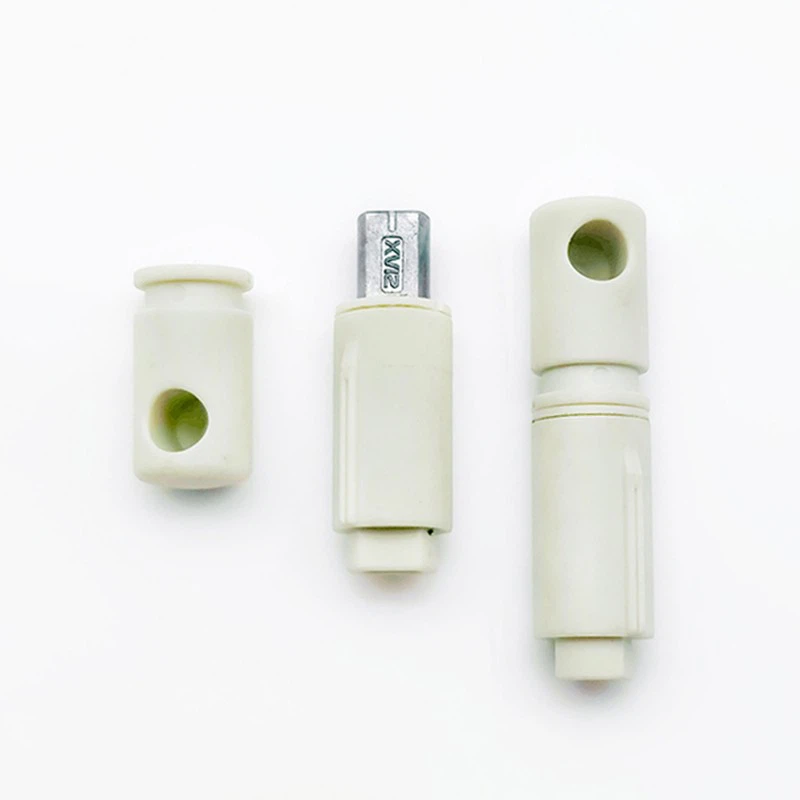

Check for differences in appearance, installation, or performance. If the other dampers are working fine, it's more likely that the problem lies with the individual damper. You can also try swapping the malfunctioning damper with a working one to confirm the issue.
Common Issues and Solutions
Damper Closing Too Fast
If the damper is closing too fast, it could be due to a low fluid level, a damaged internal mechanism, or incorrect adjustment. First, check the fluid level as described above. If the fluid level is normal, try adjusting the damper settings to increase the resistance. If the problem persists, it may be a sign of internal damage, and the damper may need to be replaced.
Damper Not Closing at All
A damper that doesn't close at all could be due to a complete fluid leak, a blocked internal passage, or a mechanical failure. Check for signs of fluid leakage. If there is a leak, replace the damper. If there is no leak, try cleaning the damper to remove any potential blockages. If cleaning doesn't solve the problem, it's likely a mechanical failure, and the damper should be replaced.
Inconsistent Closing Speed
Inconsistent closing speed can be caused by dirt or debris inside the damper, a loose mounting, or an issue with the fluid flow. Start by cleaning the damper and tightening the mounting. If the problem still exists, check the fluid level and adjust the settings if possible.
When to Replace the Damper
If you've tried all the troubleshooting steps and the damper still isn't working properly, it's time to consider replacing it. A severely damaged or worn - out damper cannot be repaired effectively, and replacing it is the best solution.
As a supplier of PP Slow Close Damper, we offer high - quality dampers that are designed to provide reliable performance. Our dampers are made from durable materials and undergo strict quality control measures.
Related Products
In addition to the PP Slow Close Damper, we also offer other related products such as the Toilet Seat Rotary Damper Set and the Tube Damper Hinge Set. These products are also designed to provide smooth and slow - closing functions for various applications.
Contact for Purchase and Consultation
If you are experiencing issues with your PP Slow Close Damper or are interested in purchasing our products, we are here to help. Our team of experts can provide you with detailed product information and offer professional advice on installation and troubleshooting. Whether you need a single damper or a large quantity for your project, we can meet your requirements. Don't hesitate to reach out to us for more information and to start a procurement negotiation.
References
- Product manuals of PP Slow Close Dampers
- Industry knowledge and experience in damper manufacturing and troubleshooting


