


When it comes to the installation and use of a PP Slow Close Damper on metal doors, there are several special considerations that need to be taken into account. As a supplier of high - quality PP Slow Close Dampers, I have seen firsthand the importance of these factors in ensuring the optimal performance and longevity of the damper and the overall functionality of the metal door.
Compatibility with Metal Doors
One of the primary considerations is the compatibility of the PP Slow Close Damper with metal doors. Metal doors come in various types, such as steel, aluminum, and stainless steel, each with its own set of characteristics. The damper must be able to withstand the specific properties of the metal, including its weight, hardness, and surface finish.
For instance, steel doors are generally heavier than aluminum doors. A PP Slow Close Damper used on a steel door needs to have a higher torque capacity to ensure smooth and effective closing. If the damper's torque is too low, it may not be able to slow down the door properly, leading to a slamming effect. On the other hand, an overly high - torque damper can make the door difficult to open.
The surface finish of the metal door also matters. Some metal doors have a painted or coated surface. The damper's mounting mechanism should be designed in a way that it does not damage the finish during installation or use. Otherwise, it can affect the aesthetic appeal of the door and potentially lead to corrosion if the protective coating is compromised.
Mounting and Installation
Proper mounting and installation are crucial for the performance of the PP Slow Close Damper on metal doors. The damper needs to be installed in the correct position to function effectively. Most PP Slow Close Dampers are designed to be installed at the hinge area of the door. However, the exact location may vary depending on the door's size, weight, and the specific design of the damper.
When installing the damper on a metal door, it is essential to ensure that the mounting holes are drilled accurately. Any misalignment can cause the damper to work inefficiently or even fail prematurely. Additionally, the fasteners used for mounting should be appropriate for the metal material. For example, when installing on a steel door, high - strength screws or bolts are recommended to ensure a secure attachment.
Another aspect of installation is the adjustment of the damper. After installation, the damper may need to be adjusted to achieve the desired closing speed. This adjustment process can be quite technical and requires some knowledge of the damper's operation. As a supplier, we provide detailed installation and adjustment instructions with our PP Slow Close Damper products to assist our customers in getting the best performance.
Environmental Factors
The environment in which the metal door with the PP Slow Close Damper is installed also plays a significant role. Temperature, humidity, and exposure to chemicals can all affect the performance and lifespan of the damper.
In high - temperature environments, the plastic components of the PP Slow Close Damper may expand, which can potentially affect its internal mechanisms. On the other hand, in low - temperature conditions, the plastic may become brittle, increasing the risk of cracking. It is important to choose a damper that is designed to operate within a wide temperature range.
Humidity can also cause problems. If the damper is exposed to high humidity for an extended period, it can lead to corrosion of the metal parts and degradation of the plastic components. In such environments, a damper with anti - corrosion coatings or made from materials resistant to moisture is recommended.
Exposure to chemicals, such as cleaning agents or industrial pollutants, can also damage the damper. Some chemicals may react with the plastic or metal materials of the damper, causing discoloration, weakening, or even complete failure. When installing a damper in an environment where chemical exposure is likely, it is necessary to select a PP Compatible Damper that can withstand such substances.
Maintenance and Durability
Regular maintenance is essential to ensure the long - term performance of the PP Slow Close Damper on metal doors. The damper should be inspected periodically for any signs of wear, damage, or misalignment. If any issues are detected, they should be addressed promptly to prevent further damage.
Lubrication is another important aspect of maintenance. Some dampers may require periodic lubrication to ensure smooth operation. However, it is crucial to use the correct type of lubricant. Using the wrong lubricant can attract dust and debris, which can clog the damper's internal mechanisms.
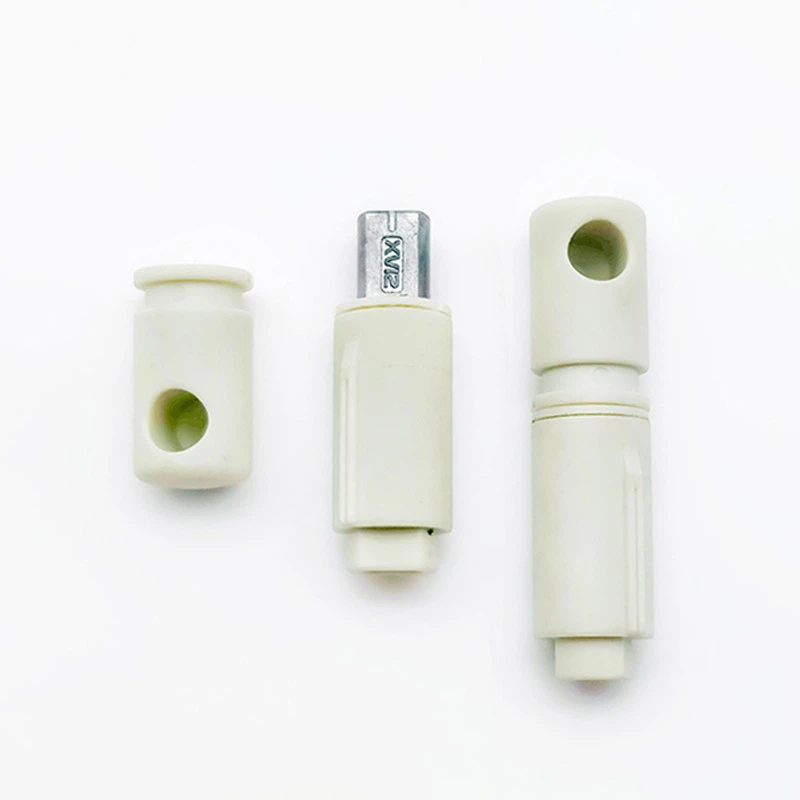
The durability of the damper is also a key consideration. A high - quality PP Slow Close Damper should be able to withstand frequent opening and closing cycles without significant wear. Our company uses advanced manufacturing techniques and high - quality materials to ensure the durability of our dampers. For example, our Tube Damper Hinge Set is designed to provide long - lasting performance, even in high - traffic areas.
Safety Considerations
Safety is of utmost importance when using a PP Slow Close Damper on metal doors. The damper should be designed in a way that it does not pose any safety hazards. For example, it should not have any sharp edges or protruding parts that could cause injury to users.

In addition, the slow - closing function of the damper should be reliable. A malfunctioning damper that fails to slow down the door properly can cause the door to slam shut, which can be dangerous, especially in areas where there are children or elderly people. Our dampers undergo rigorous testing to ensure that they meet the highest safety standards.
Cost - Effectiveness
While considering all the above factors, cost - effectiveness is also an important aspect. Customers need to balance the quality and performance of the PP Slow Close Damper with its cost. Our company offers a range of PP Slow Close Dampers at competitive prices. We believe that high - quality products should not come with an exorbitant price tag. By using efficient manufacturing processes and sourcing materials from reliable suppliers, we are able to provide cost - effective solutions to our customers.
Conclusion
In conclusion, using a PP Slow Close Damper on metal doors requires careful consideration of multiple factors, including compatibility, mounting, environmental factors, maintenance, safety, and cost - effectiveness. As a supplier of PP Slow Close Dampers, we are committed to providing our customers with high - quality products and comprehensive support. If you are in the market for a PP Slow Close Damper for your metal doors, we encourage you to contact us for more information and to discuss your specific requirements. Our team of experts is ready to assist you in finding the most suitable damper solution for your needs.
References
- "Door Hardware Handbook" by the Door and Hardware Institute.
- Technical specifications and research materials provided by damper manufacturers.


