


Hey there! As a supplier of PP Compatible Dampers, I often get asked about the air tightness of these nifty little devices. So, let's dive right in and break it down.
First off, what exactly is a PP Compatible Damper? Well, it's a type of damper that's designed to work seamlessly with polypropylene (PP) materials. These dampers are super versatile and can be used in a wide range of applications, from furniture to automotive parts. You can check out more about them on our PP Compatible Damper page.
Now, let's talk about air tightness. Air tightness is a crucial factor when it comes to dampers. It refers to how well a damper can prevent air from leaking through it. In the case of a PP Compatible Damper, good air tightness means that it can effectively control the flow of air in a system, whether it's in a ventilation duct or a piece of machinery.
One of the main reasons why air tightness is so important is energy efficiency. When a damper has poor air tightness, air can leak out, which means that your system has to work harder to maintain the desired air flow. This can lead to increased energy consumption and higher utility bills. On the other hand, a damper with good air tightness can help you save energy and money in the long run.
Another reason why air tightness matters is indoor air quality. If air is leaking through a damper, it can bring in pollutants, dust, and other contaminants from the outside. This can have a negative impact on the health and comfort of the people in the building. A well-sealed damper can help keep the indoor air clean and fresh.
So, how do we ensure that our PP Compatible Dampers have good air tightness? Well, it all starts with the design and manufacturing process. We use high-quality materials and advanced manufacturing techniques to ensure that our dampers are built to last and perform at their best. Our engineers also conduct rigorous testing to make sure that each damper meets our strict air tightness standards.
In addition to the design and manufacturing, the installation of the damper also plays a crucial role in its air tightness. If a damper is not installed correctly, it can create gaps and leaks, which can compromise its performance. That's why we provide detailed installation instructions and support to our customers to ensure that their dampers are installed properly.
Now, let's take a look at some of the factors that can affect the air tightness of a PP Compatible Damper. One of the main factors is the type of seal used. We use high-quality seals that are designed to provide a tight and durable seal. These seals are made from materials that are resistant to wear, tear, and temperature changes, which helps to ensure that they maintain their air tightness over time.
Another factor that can affect air tightness is the size and shape of the damper. A damper that is too small or too large for the application may not fit properly, which can lead to leaks. That's why we offer a wide range of sizes and shapes of PP Compatible Dampers to ensure that our customers can find the perfect fit for their needs.
The operating conditions of the damper can also have an impact on its air tightness. For example, if a damper is exposed to high temperatures or pressures, it can cause the seals to expand or contract, which can affect their performance. That's why we design our dampers to be able to withstand a wide range of operating conditions, so that they can maintain their air tightness even in challenging environments.
In conclusion, the air tightness of a PP Compatible Damper is a crucial factor that can have a significant impact on its performance and the overall efficiency of your system. By choosing a high-quality damper from a reputable supplier like us, and ensuring that it is installed and maintained properly, you can enjoy the benefits of good air tightness, including energy savings, improved indoor air quality, and a more comfortable and healthy environment.
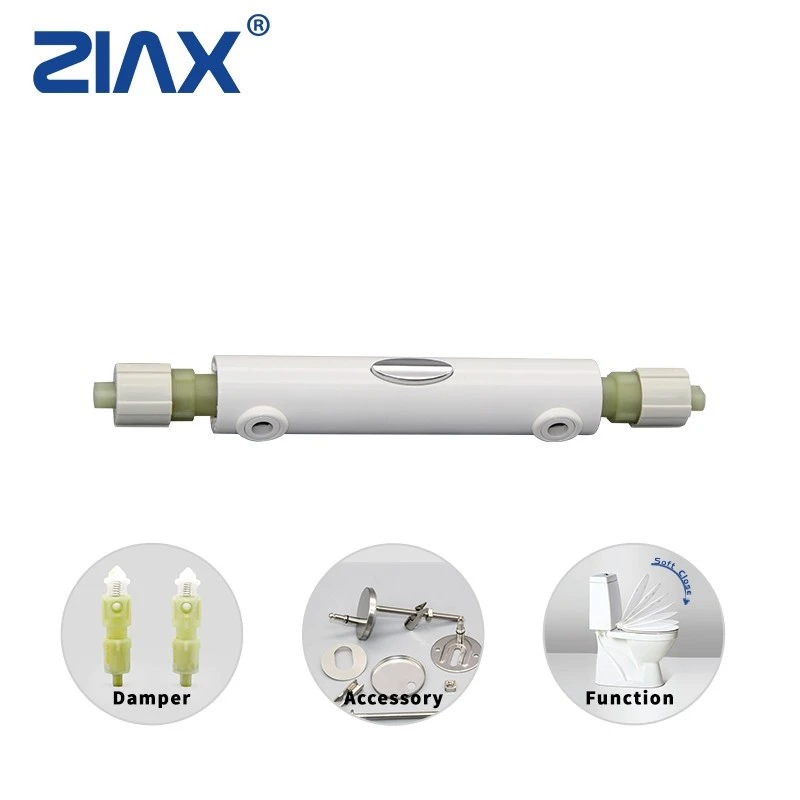
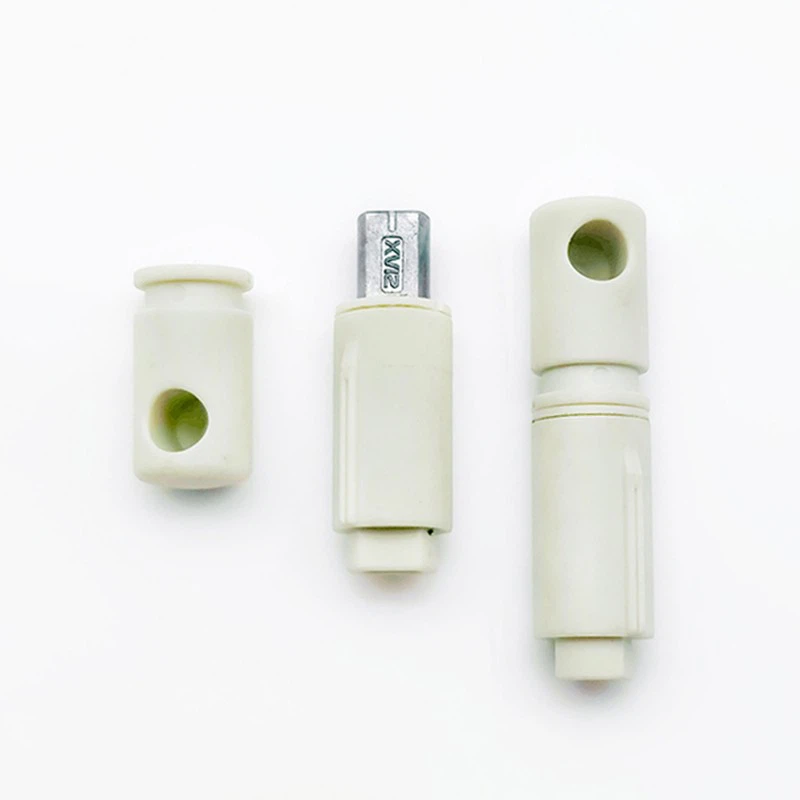
If you're interested in learning more about our PP Compatible Dampers or other products, such as our Tube Damper Hinge Set or PP Slow Close Damper, please don't hesitate to get in touch with us. We'd be happy to answer any questions you may have and help you find the right solution for your needs.
References
- "Air Tightness in Building Systems." Building Science Corporation.
- "Energy Efficiency and Air Tightness." U.S. Department of Energy.
- "Indoor Air Quality and Damper Performance." Environmental Protection Agency.


