


Hey there! As a supplier of Tube Damper Hinge Sets, I often get asked about the installation complexity of these nifty products. So, I thought I'd take a moment to break it down for you and give you a clear idea of what to expect.
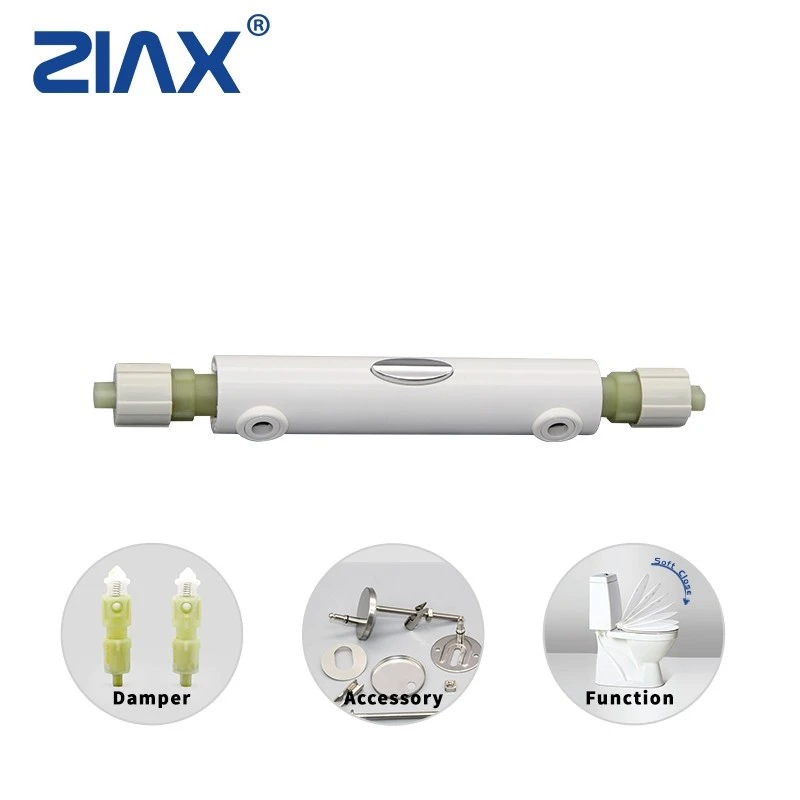
First off, let's talk about what a Tube Damper Hinge Set is. It's a crucial component that provides smooth and controlled movement for various applications. Whether it's in furniture, cabinets, or even smart toilets, these hinge sets play a vital role in ensuring a seamless user experience. You can check out our Tube Damper Hinge Set for more details.
Now, onto the big question: how complex is the installation? Well, it really depends on a few factors. Let's start with the basics.
Understanding the Components
A Tube Damper Hinge Set typically consists of a few key parts. There's the damper tube itself, which is the heart of the system. This tube is filled with a special fluid that provides the damping effect, allowing for slow and controlled movement. Then, there are the hinges, which are used to attach the damper to the object you're working on, like a cabinet door or a toilet seat.
Tools Required
One of the great things about Tube Damper Hinge Sets is that you don't need a whole bunch of fancy tools to install them. In most cases, you'll just need a screwdriver. That's right, a simple screwdriver is usually all you need to get the job done. Of course, depending on the specific application, you might also need a drill if you're attaching the hinges to a surface that requires pre - drilling.
Step - by - Step Installation
Let's walk through a general installation process. First, you need to prepare the surface where the hinges will be attached. Make sure it's clean and free of any debris. If you're installing the hinge set on a cabinet door, for example, you'll want to mark the spots where the hinges will go. This helps ensure that everything is aligned correctly.
Next, take the hinges and attach them to the object. Use the screwdriver to tighten the screws. It's important to make sure the screws are tightened securely, but don't over - tighten them, as this could damage the hinges or the surface.
Once the hinges are attached, it's time to connect the damper tube. This usually involves inserting the damper into the appropriate slots on the hinges. The design of the Tube Damper Hinge Set is often quite intuitive, making this step relatively straightforward.
Considerations for Different Applications
If you're installing the Tube Damper Hinge Set in a furniture application, like a cabinet, the process is usually pretty standard. However, if you're using it for a Soft & Silent Smart Toilet Damper, there are a few additional things to keep in mind.
Toilet seats have specific requirements. You need to make sure the hinge set is compatible with the size and shape of the toilet seat. Also, the installation might involve a bit more precision to ensure that the seat moves smoothly and quietly. But again, with the right measurements and a careful approach, it's definitely doable.
Compatibility
Another factor that can affect the installation complexity is compatibility. Our PP Compatible Damper is designed to work well with polypropylene materials. When you're choosing a Tube Damper Hinge Set, it's important to make sure it's compatible with the materials you're working with. If it's not, you might run into issues during installation, such as the hinges not fitting properly or the damper not functioning correctly.
Troubleshooting
Even though the installation of a Tube Damper Hinge Set is generally not too complex, you might run into a few problems. For example, if the door or seat doesn't move smoothly after installation, it could be because the damper is not properly aligned or the hinges are not tightened correctly. In this case, you can try loosening the screws slightly and readjusting the alignment.
If you notice that the damping effect is not as strong as it should be, it could be due to a leak in the damper tube. While this is rare, it's something to watch out for. If you suspect a leak, it's best to contact the supplier for a replacement.
Benefits of a Well - Installed Tube Damper Hinge Set
Once you've successfully installed the Tube Damper Hinge Set, you'll start to see the benefits. You'll notice a significant reduction in noise. No more slamming cabinet doors or loud toilet seats. The slow and controlled movement also adds a touch of elegance to the object, making it more user - friendly.

Conclusion
In conclusion, the installation complexity of a Tube Damper Hinge Set is relatively low. With the right tools, a bit of patience, and some basic knowledge, you can install it yourself. Whether you're a DIY enthusiast or a professional installer, these hinge sets are designed to be accessible.
If you're interested in purchasing a Tube Damper Hinge Set for your project, don't hesitate to reach out. We're here to help you with any questions you might have about the product or the installation process. Whether it's for a small cabinet project or a large - scale furniture production, our Tube Damper Hinge Sets are a great choice. So, let's start a conversation and see how we can meet your needs.
References
- General knowledge about Tube Damper Hinge Set technology and installation processes.
- Product specifications and guidelines provided by industry standards for damper hinge sets.


