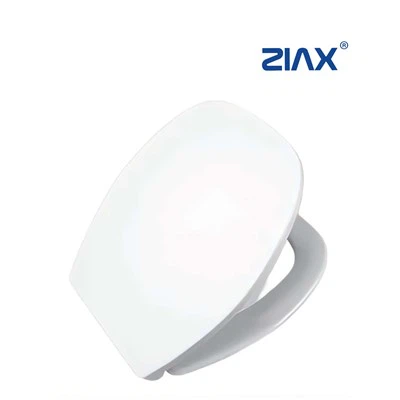
Anti-Bacterial Toilet Seats: Material Innovation and Global Hygiene Trends
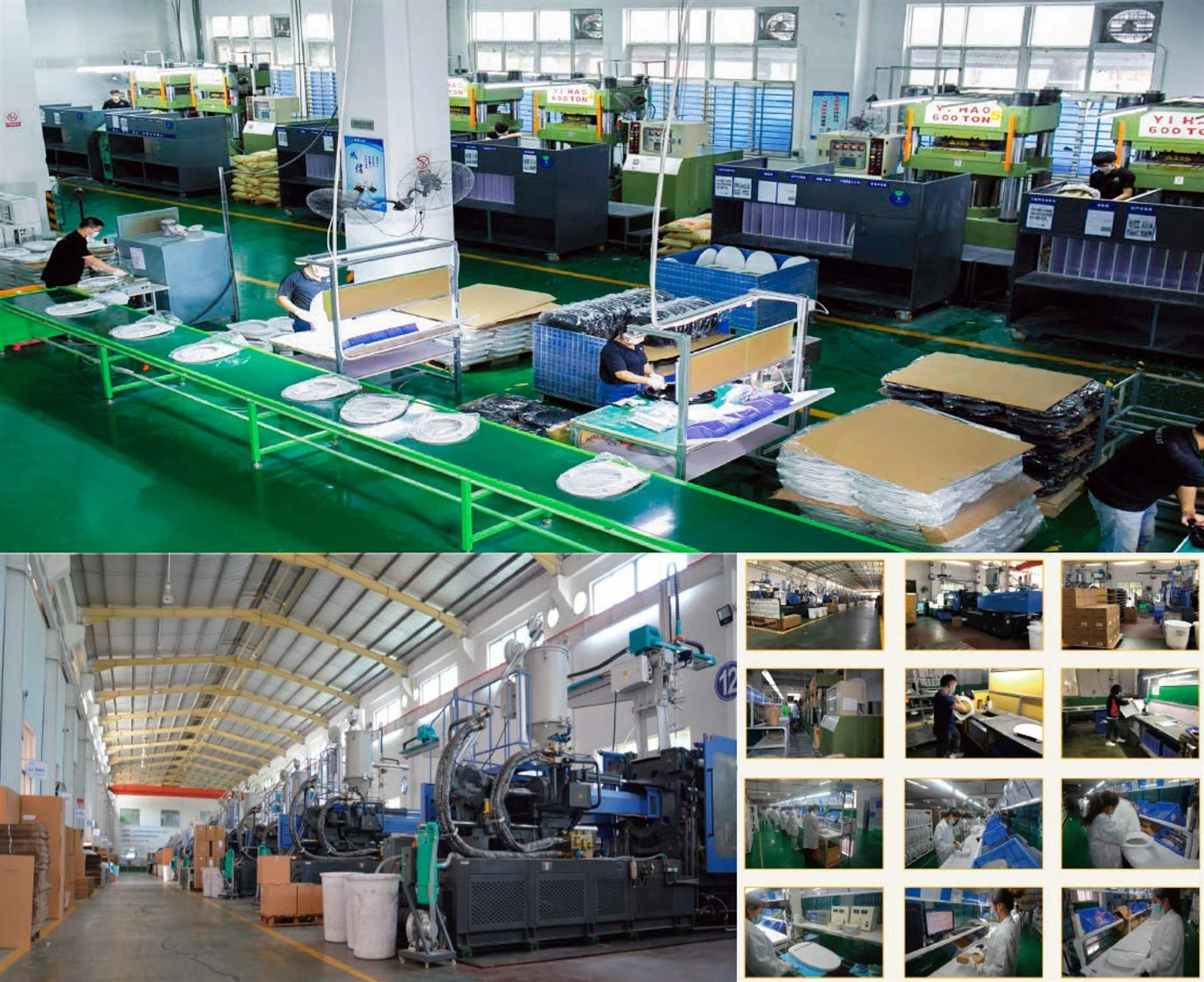
Introduction: Why Anti-Bacterial Toilet Seats Have Become a Global Trend
In the post-pandemic era, global hygiene awareness has increased significantly. Anti-bacterial features have evolved from an optional upgrade to a major expectation in modern bathroom products. Both home users and commercial environments-such as hotels, airports, and healthcare facilities-are raising their standards for hygiene and cleanliness. As a result, anti-bacterial toilet seats are rapidly moving from mid-to-high-end offerings to mainstream demand.
Core Technologies Behind Anti-Bacterial Toilet Seats: Materials + Surface Processes
2.1 How Materials Influence Anti-Bacterial Performance
Mainstream materials include anti-bacterial PP and anti-bacterial UF.
Silver-ion (Ag+) anti-bacterial additives remain the industry standard.
Difference between material-based anti-bacterial properties and surface-based treatments.
2.2 How Anti-Bacterial Effectiveness Is Verified
Global test method: ISO 22196.
The industry benchmark is an anti-bacterial rate ≥ 99%.
Why some toilet seats claim anti-bacterial functions but perform inconsistently.
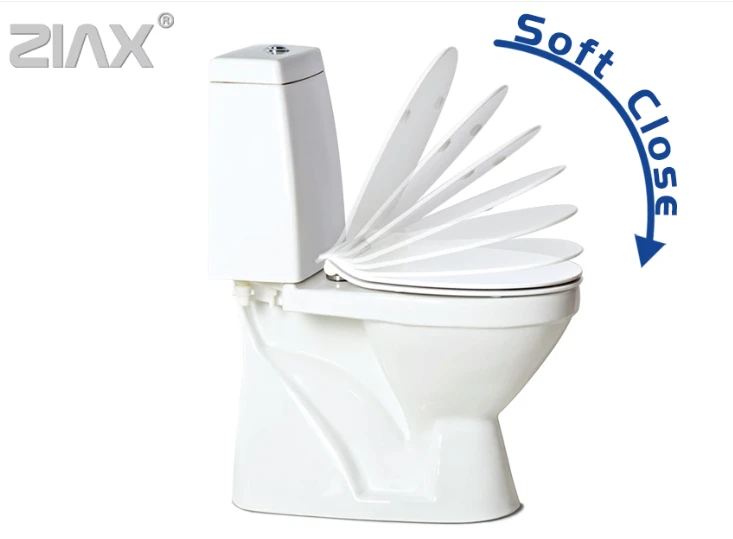

03.Evolution of Surface Technology: From Easy-Clean to Long-Lasting Anti-Bacterial
Nanocoating for stable anti-bacterial performance.
UV-cured anti-bacterial layers with improved durability.
Synergy between self-cleaning coatings and anti-bacterial technology.
Why scratch resistance is crucial for maintaining anti-bacterial effectiveness over time.
4.
Global Market Trends: Different Regions, Different Hygiene Needs
请替换当前内容 We maintain a busy network of forestry and social development staff along with local facilitators in the areas we work.
We maintain a busy network of forestry and social development staff along with local facilitators in the areas we work.
5.
Design Priorities for Anti-Bacterial Toilet Seats: Hygiene Meets User Experience
Seamless, no-dead-corner structure design.
Quick-release hinge designs for faster cleaning.
Enhanced anti-bacterial treatment around hinge areas.
Smooth edges and scratch-resistant surface coatings.

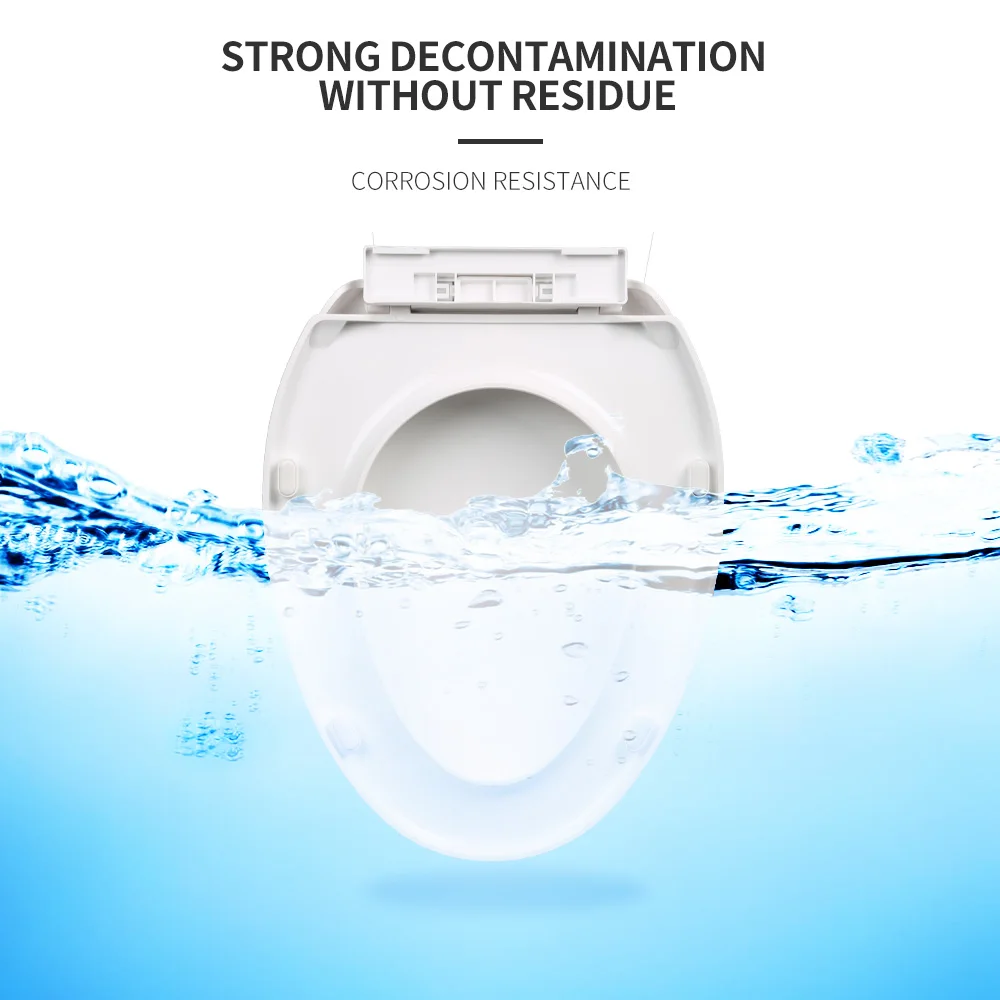
Practical Buying Guide for Consumers and Project Buyers
Look for products with international anti-bacterial certifications.
Choose materials based on market preferences: PP for most markets, UF for Europe.
Different selection standards for home use vs engineering projects.
Consider installation type (quick-release vs traditional hinges).
Conclusion: Anti-Bacterial Toilet Seats Are Becoming the New Industry Standard
Anti-bacterial performance is no longer a marketing gimmick-it is becoming a baseline requirement across global markets. With hygiene awareness continuously rising, the demand for anti-bacterial toilet seats will keep growing. Manufacturers have opportunities to innovate through better materials, surface technologies, and design improvements.