The Relationship Between Toilet Seat Removal Frequency and Its Service Life
Tailored for you to create the best


A Direct Impact Exists
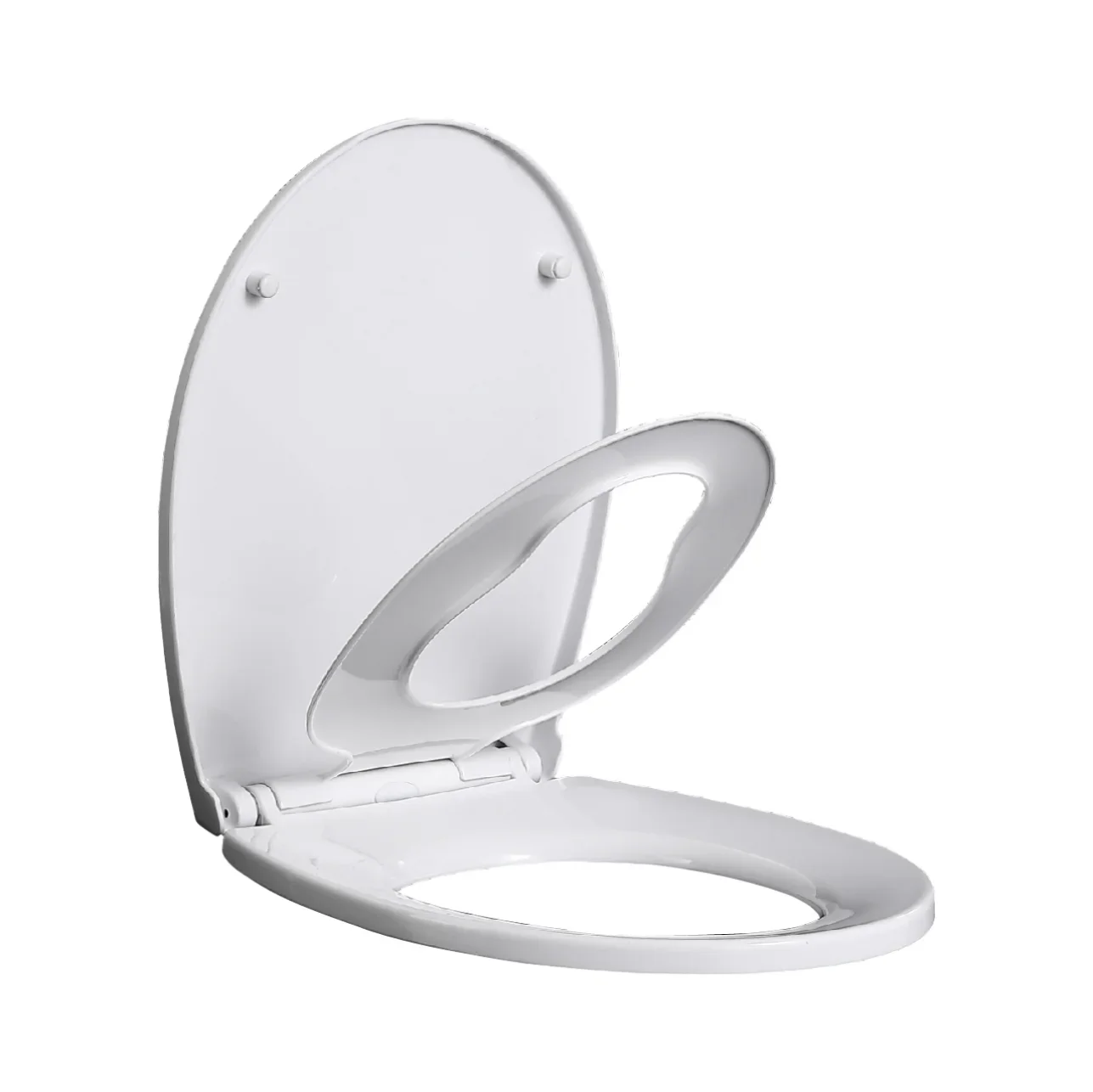
In daily life, we often need to remove the toilet seat for cleaning the toilet or replacing accessories. But have you ever thought about whether the frequency of such removal will affect the service life of the toilet seat? In fact, the answer is yes. Excessively frequent removal of the toilet seat will accelerate the wear and tear of its various components, thereby shortening the overall service life.

Manifestation of the Impact
When the number of removals increases, the structural stability of the toilet seat will gradually decrease. The originally tightly connected components will become loose due to repeated removal and installation, which will affect the normal use of the toilet seat and reduce its service life in the long run.
Wear of Hinges Due to Frequent Removal
Tailored for you to create the best
Reasons for Wear
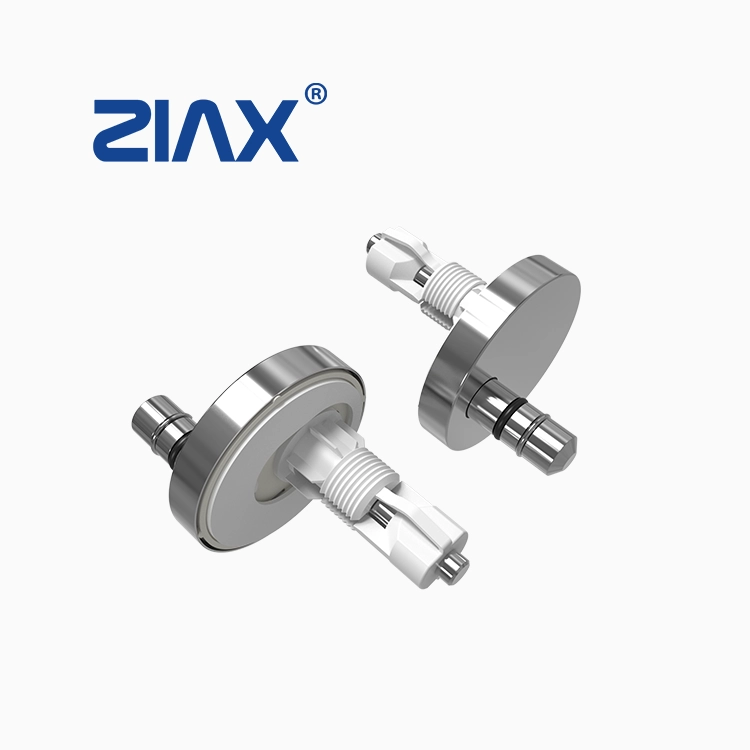
Hinges are key components connecting the toilet seat and the toilet ring. During the removal process, the hinges are constantly subjected to external forces. During frequent removal, the rotating parts of the hinges will generate more friction, and over time, this will lead to increased wear of the hinges.
Consequences of Wear
After the hinges are worn, the opening and closing of the toilet seat will become unsmooth, and problems such as jamming and abnormal noise may occur. In severe cases, the hinges may break, making the toilet seat unusable, requiring replacement of the entire hinge or even the toilet seat.
Wear of Screws Due to Frequent Removal
Tailored for you to create the best

Manifestations of Wear
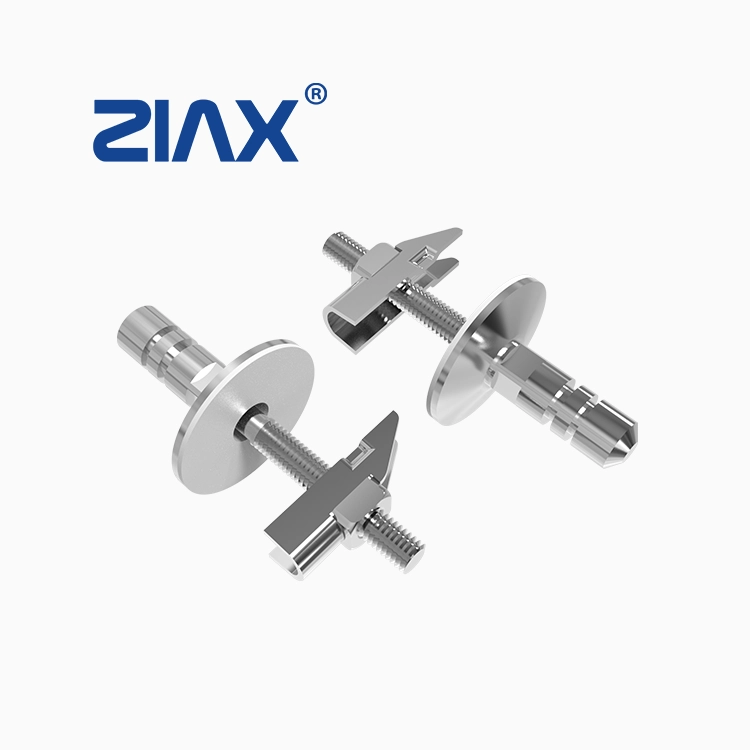
Screws play an important role in fixing the toilet seat. During frequent removal, the screws will be repeatedly twisted, which will cause the threads of the screws to be gradually worn. In addition, improper force during removal and installation may also cause the screws to slip.
Resulting Problems
After the screws are worn, the toilet seat cannot be firmly fixed on the toilet, and the toilet seat will shake. This not only affects the user experience, but may also further aggravate the wear of other components due to shaking, forming a vicious circle.
Suggestions for Reasonable Removal
Tailored for you to create the best
Control the Removal Frequency
Unless it is necessary for deep cleaning or replacing accessories, the number of removals of the toilet seat should be minimized. In general, daily cleaning can be done by wiping, etc., without removal.
Correct Removal Method
When removing, use appropriate tools and avoid using brute force. Follow the installation instructions of the toilet seat, remove step by step, and do not forcefully pry or twist the components to reduce damage to hinges and screws.
Maintenance After Removal
The removed toilet seat components should be properly stored to avoid collision and damage. When reinstalling, ensure that all components are installed in place, and the screws are tightened moderately, neither too loose nor too tight.
Summary
Tailored for you to create the best
Professional Team
The frequency of toilet seat removal does affect its service life. Frequent removal will aggravate the wear of hinges and screws. Therefore, in the process of use, we should reasonably control the number of removals, master the correct removal method, and do a good job in maintenance after removal to extend the service life of the toilet seat.