Introduction: Learn the essentials of mold design and injection molding for toilet seats and sanitary ware products. This article explains key processes, materials, and design considerations that help manufacturers achieve high-quality, durable, and precisely fitted bathroom products.
What Is Mold Design?
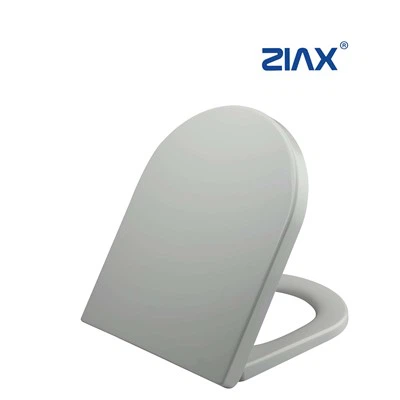
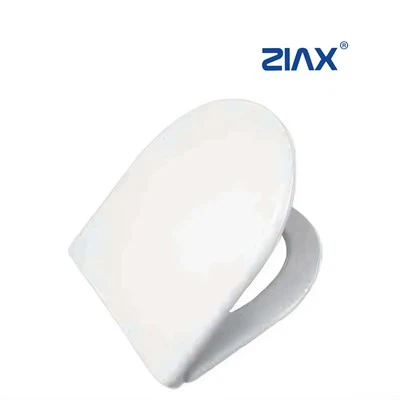
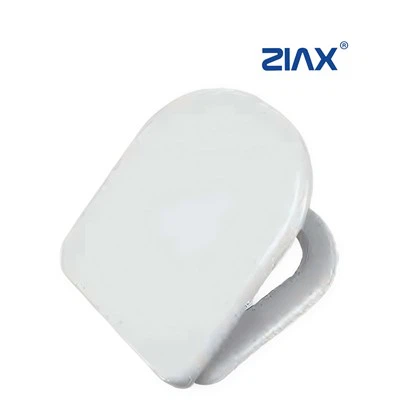
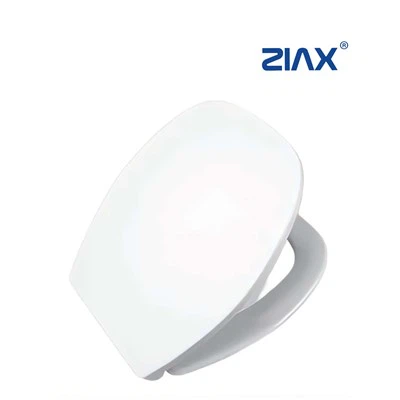
Mold design is the process of creating a detailed structure for manufacturing plastic parts. For products like toilet seats, the mold determines the final shape, dimensions, surface texture, and assembly accuracy. A well-designed mold helps minimize defects, improve appearance, and ensure product stability during mass production.
How Does Injection Molding Work?
Injection molding involves heating plastic material until it melts, then injecting it into a metal mold cavity under pressure. After cooling and solidifying, the plastic part is ejected from the mold. This process is widely used in bathroom product manufacturing because it offers:
High precision and repeatability
Smooth surface finish
Efficient large-scale production

Common Materials for Toilet Seat Injection Molding

Different materials are used depending on the design and performance requirements:
UF (Urea Formaldehyde): Strong, heat-resistant, and glossy - commonly used for high-end toilet seats.
PP (Polypropylene): Lightweight, flexible, and economical - suitable for everyday use.
Choosing the right material ensures both comfort and durability for end users.
Mold Materials Comparison Table
| Material | Type / Composition | Hardness (HRC) | Main Features | Applications |
|---|---|---|---|---|
| NAK80 | Pre-hardened steel | 37–43 | Excellent mirror polishability, good machinability, high toughness, and dimensional stability | Suitable for high-gloss molds such as toilet seat covers, transparent plastic parts, and appearance components |
| 718H | Pre-hardened steel (modified P20) | 33–38 | Good wear resistance, polishability, and corrosion resistance; stable in machining | Used for general injection molds, including sanitary ware, plastic housings, and structural parts |
| S136 (similar to 316 stainless type) | Martensitic stainless steel | 48–52 | Excellent corrosion resistance, suitable for humid environments; good mirror finish | Ideal for toilet seat molds, bathroom product molds, and products exposed to moisture or chemicals |
| 316 Stainless Steel | Austenitic stainless steel | ~20–25 (annealed) | High corrosion resistance, but lower hardness; used for mold components rather than entire molds | Used for corrosion-resistant inserts, mold base plates, or parts in contact with water |
| P20 | Pre-hardened tool steel | 28–34 | Good machinability, cost-effective, widely used | For standard plastic molds, prototypes, and medium-volume production |
| H13 | Hot work tool steel | 46–52 | High temperature resistance, good toughness, and wear resistance | For die-casting molds, inserts, or high-temperature molding applications |
Summary
For toilet seat molds, NAK80 and 718H are most commonly used - they balance polishability, strength, and machinability.
If corrosion resistance is important (such as for humid environments or long-term use), S136 or 316 stainless components are preferred.
For standard plastic mold projects, P20 remains a practical, economical choice.

How Long Does Mold Development Take?
The mold development process usually takes 25 to 45 days, depending on the complexity of the design. Before full production begins, a trial run is conducted to test fitting, surface quality, and overall performance. Adjustments are made until the mold meets quality standards.
What Should Customers Prepare Before Mold Design?
To start a new mold project, it's helpful to provide:
Product drawings or 3D models
Reference samples (if available)
Chosen materials
Estimated order quantity
The Importance of Mold Maintenance
Regular maintenance helps extend mold life, prevent damage, and maintain consistent product quality. Clean, well-maintained molds ensure smoother surfaces, fewer production issues, and more stable output over time.

Conclusion
Understanding mold design and injection molding helps businesses make informed decisions when developing sanitary products such as toilet seats, covers, and bathroom accessories. By focusing on the right design, materials, and quality control, manufacturers can achieve reliable and aesthetically pleasing results in every product.