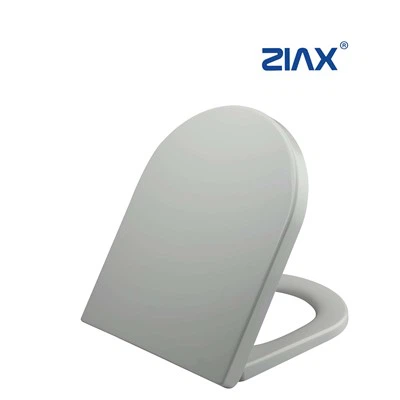
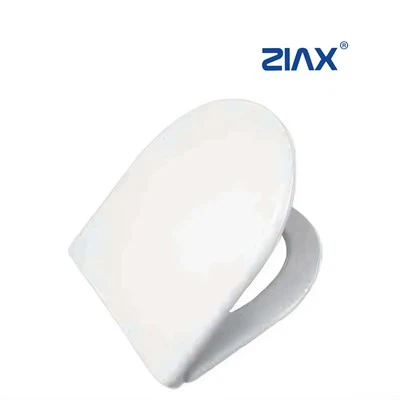
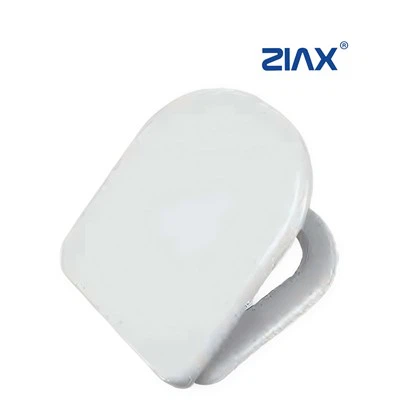
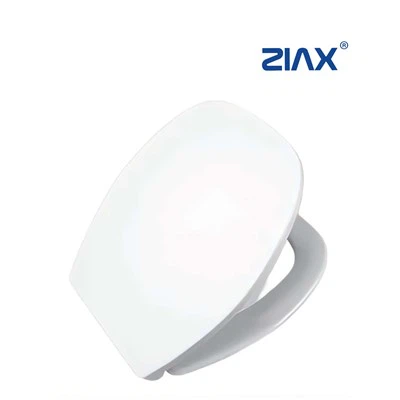
How to judge a toilet seat's color resistance to yellowing?
The yellowing resistance of toilet seat colors is an important indicator of their durability, especially for white and light-colored products. Yellowing over long-term use can affect their appearance.
To judge their yellowing resistance, you can consider factors such as material properties, technological processes, testing standards, and practical verification.
Judging Basic Yellowing Resistance from Material Types
The yellowing resistance of mainstream materials for toilet seats varies significantly, which can be used as a preliminary judgment basis:
| Material Type |
|
|
||||||
| contrast | degree | analysis | ||||||
| ABS Resin |
|
|
||||||
| PP Resin |
|
Has strong chemical stability and no easily oxidizable components. However, it tends to embrittle at low temperatures, but its yellowing resistance is better than ABS. | ||||||
|
|
|
||||||
|
|
Has high hardness and strong aging resistance, with outstanding yellowing resistance. But it is relatively brittle and has high cost. | ||||||
|
|
Such as "ABS + PP blend" and "modified resin with antioxidants", their yellowing resistance can be greatly improved (depending on specific processes). |
Conclusion: PP, urea formaldehyde resin, or composite materials clearly labeled as "oxygen modified" should be preferred to avoid low-priced PVC or ordinary ABS products.
When judging from the process and technical details that the material is the same, the process treatment directly affects the yellowing resistance performance.
The following details can be focused on:
Our latest projects
Ziax machinery Workshop co-operation projects
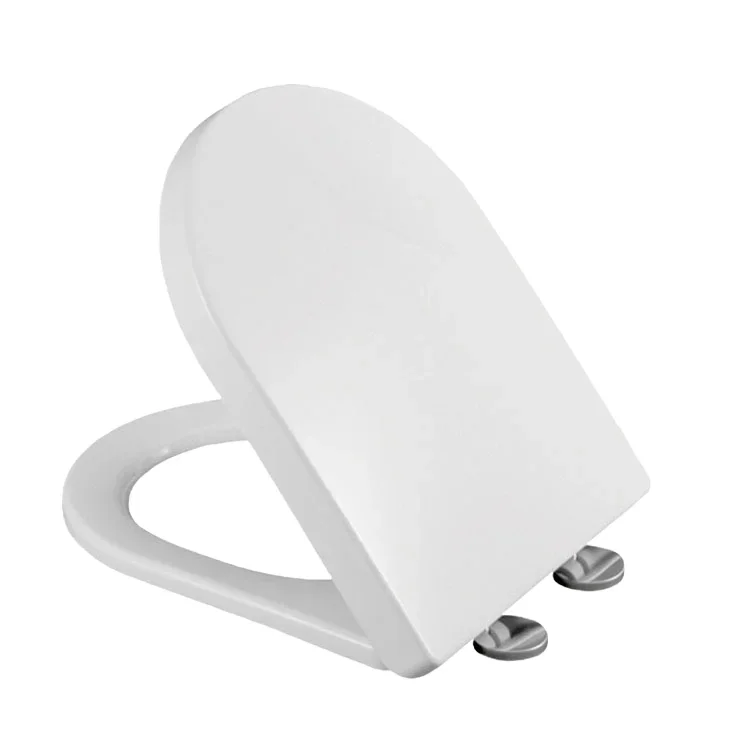
Antioxidant and UV Absorbent Addition
High quality products will mix antioxidants (such as hindered phenols) and UV absorbers (such as benzotriazoles) into the material to delay oxidation and UV aging. When purchasing, you can ask the merchant whether to add such additives, or check the description of "anti-aging process" in the product description.
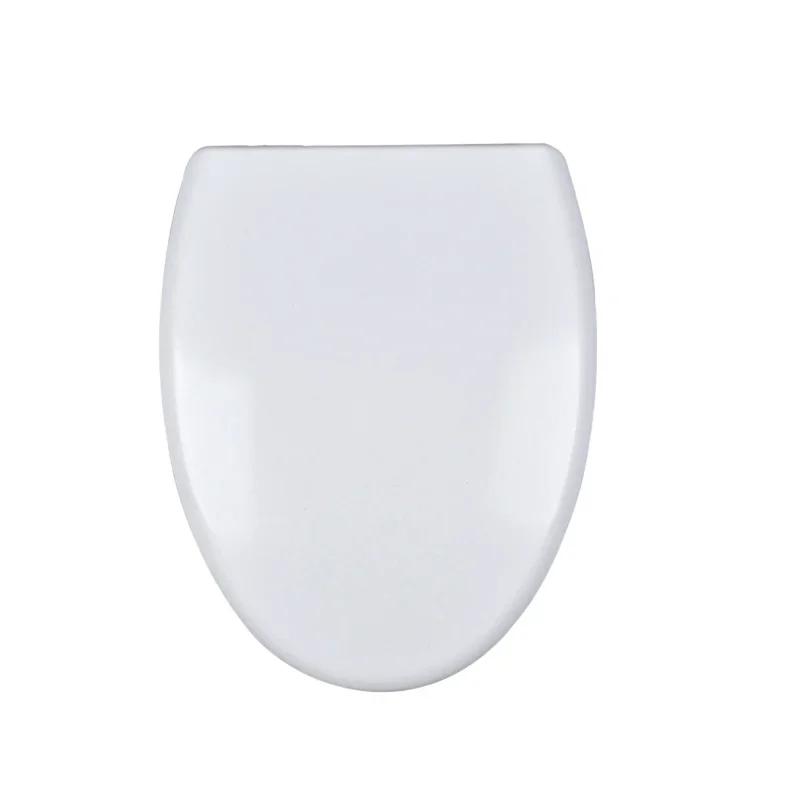
Surface coating treatment
Some high-end products will be sprayed with anti yellowing coatings (such as transparent nano coatings) on the surface to form a physical barrier, reducing the contact between oxygen, moisture and the substrate. It can be observed whether the surface has a uniform luster and a smooth feel (inferior coatings are prone to scratches or peeling).
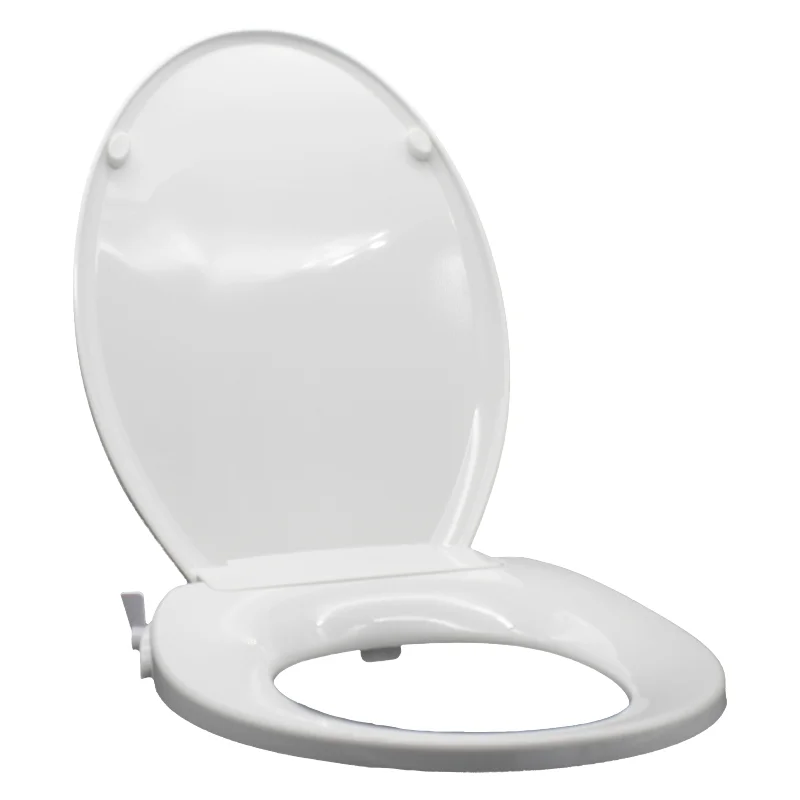
Raw material purity
Recycled materials (recycled materials) are prone to accelerated yellowing due to their high impurities. Choose products labeled as "brand new" or "food grade raw materials" to ensure resistance to yellowing changes.
The yellowing resistance of reference industry testing standards and certified formal products will be verified through laboratory testing, and the following indicators can be paid attention to:
1
According to the national standard "Plastic Laboratory Light Source Exposure Test Method" (GB/T 16422.3), place the sample in a simulated UV environment (such as UVB-313 lamp tube) for hundreds of hours and observe the color difference change (Δ E value).
Qualification standard : After 500 hours of irradiation, the Δ E value is ≤ 3 (almost invisible yellowing to the naked eye);
High quality products can achieve a Δ E value of ≤ 2.
2
Place in a high temperature environment of 70-80 ℃ for 1000 hours to detect the degree of yellowing.
Qualified products should have no obvious yellowing and color difference changes that comply with industry standards (such as Δ E ≤ 4).
3
Some brands may pass third-party certification (such as SGS and Intertek's yellowing resistance certification), and merchants can be required to provide testing reports, focusing on the "yellowing level after aging" (the higher the level, the better, usually level 0 is no yellowing, and level 5 is severe yellowing).
If professional data cannot be obtained for the verification and observation of actual usage scenarios, the following methods can be used to assist in judgment:

Observing samples or feedback from old users
Viewing physical store samples (especially white products displayed for more than six months), if there is slight yellowing on the surface, it indicates that the yellowing resistance is average; -Inquire with users who have purchased the product about whether there is a noticeable yellowing after 1-2 years of use (with a focus on white and light gray products).
Simulation Test (Simple Home Method)
Take product scraps (or small samples provided by the merchant), use a strong light table lamp (LED lamp with ultraviolet light) to continuously irradiate for 1-2 weeks, while keeping the environment dry, and observe whether it turns yellow. If yellowing occurs quickly, it indicates poor resistance to yellowing.

Suggestions for extending the lifespan of anti yellowing products:
Even products with excellent anti yellowing performance should pay attention to maintenance:

Anti yellowing performance
Avoid long-term direct sunlight (if there are windows in the bathroom, curtains can be installed);
Do not use strong alkaline cleaning agents (such as caustic soda) during cleaning to avoid corrosion of surface coatings;
Regularly wipe with neutral cleaning agents (such as soapy water) to reduce surface oil accumulation (oil oxidation will accelerate yellowing).
The core logic for summarizing and judging the yellowing resistance performance of toilet seats is: material type>process treatment>testing data>actual feedback .
Priority should be given to selecting PP or modified composite materials, adding antioxidant/UV resistant additives, and products that have passed authoritative weather resistance tests to minimize rapid yellowing after use.