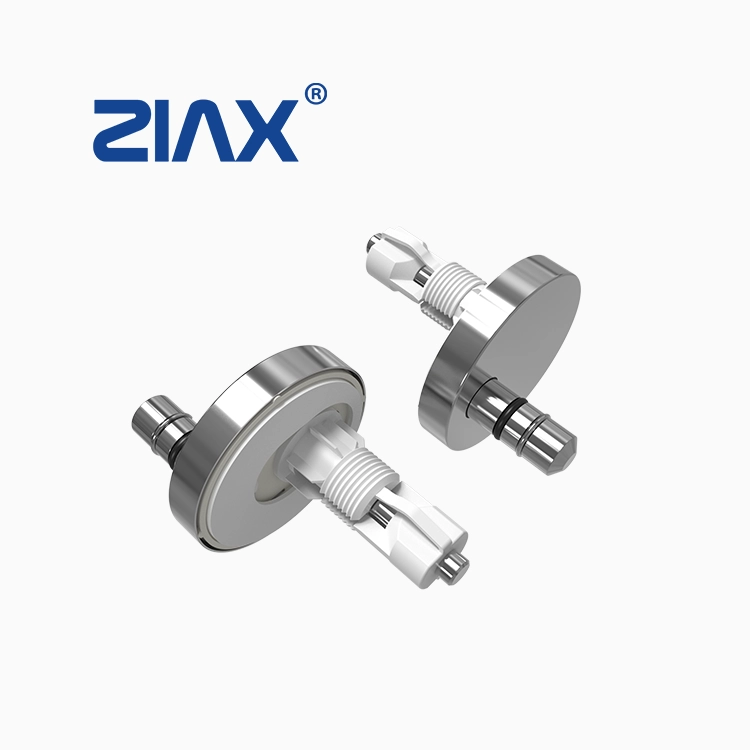
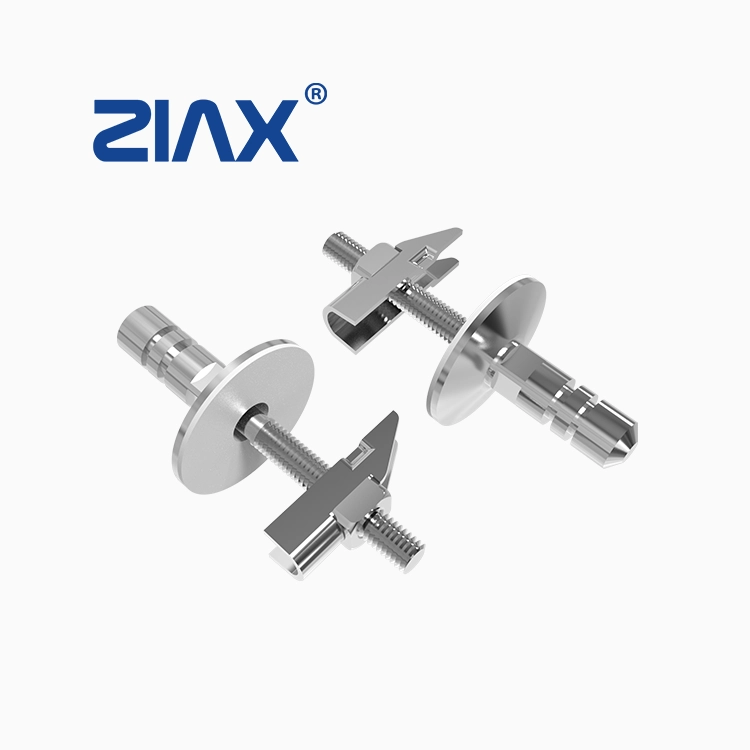
Toilet Seat Damper Lifespan: What Affects Durability and Stability?

Damper Structure and Damping Principle
Most toilet seat dampers use a rotary damping mechanism, where controlled resistance slows down the seat's closing speed. The internal structure directly affects how evenly force is absorbed.
Precision gear design ensures smooth torque output
Stable rotational resistance prevents sudden drops or rebounds
Balanced internal alignment reduces uneven wear
Poor structural design often leads to inconsistent damping or early failure, even if materials appear sufficient.
Material Quality of Internal Components
The lifespan of a toilet seat damper heavily depends on the materials used for internal parts.
High-strength engineering plastics improve fatigue resistance
Metal shafts or reinforced cores enhance load-bearing stability
Corrosion-resistant materials prevent degradation in humid environments
Low-grade materials may perform well initially but often degrade quickly after repeated use.
Sealing Performance and Leakage Prevention
For hydraulic or grease-based dampers, sealing quality is a critical factor. Any leakage can lead to a rapid loss of damping force.
High-quality sealing rings maintain internal pressure
Precision molding prevents micro-gaps
Leak-proof design ensures consistent damping over time
Once leakage occurs, the damper may lose its soft-close function entirely.

Load Capacity and Torque Matching
Each toilet seat design has different weight and leverage requirements. A damper must be correctly matched to the seat's load.
Undersized dampers wear out faster
Oversized dampers may cause slow or incomplete closing
Proper torque calibration improves both comfort and lifespan
Customized torque options are especially important for OEM toilet seat projects.
our casey
Lorem ipsum dolor sit amet consectetur adipisicing elit.
1.
Testing Standards and Cycle Life Validation
Reliable toilet seat dampers undergo extensive durability testing before mass production.
Open-close cycle testing (often 50,000–100,000 cycles)
Load and impact resistance tests
High-humidity and temperature variation tests
Without proper testing, long-term performance cannot be guaranteed, regardless of design claims.

2.
Installation Accuracy and Application Design
Even a high-quality damper can fail prematurely if installed incorrectly.
Misalignment causes uneven force distribution
Incorrect mounting angles increase internal stress
Loose fixation accelerates mechanical wear
A well-designed installation structure helps the damper perform consistently throughout its intended lifespan.

Conclusion
The lifespan and stability of a toilet seat damper are the result of engineering design, material selection, sealing quality, proper torque matching, and rigorous testing. For manufacturers, choosing the right damper is not just about soft-close speed - it is about long-term reliability and user satisfaction.
Understanding these factors helps ensure that soft-close toilet seats remain smooth, quiet, and durable for years of daily use.
FAQ
Q1: How long should a high-quality toilet seat damper last?
A well-designed damper typically lasts between 50,000 to 100,000 cycles, depending on usage conditions and load.
Q2: Why does a toilet seat lose its soft-close function over time?
Common reasons include internal wear, seal failure, leakage, or mismatched torque for the seat weight.
Q3: Are hydraulic dampers better than mechanical ones?
Both types can perform well. Hydraulic dampers offer smoother motion, while mechanical designs may provide higher structural simplicity.
Q4: Can dampers be customized for different toilet seat designs?
Yes. Torque, rotation angle, size, and mounting structure can be customized for OEM toilet seat projects.
Q5: Does bathroom humidity affect damper lifespan?
Yes. Poor sealing or low-grade materials may degrade faster in high-humidity environments.
Q6: What should buyers look for when sourcing toilet seat dampers?
Key factors include tested cycle life, stable torque output, reliable sealing, and consistent manufacturing quality.