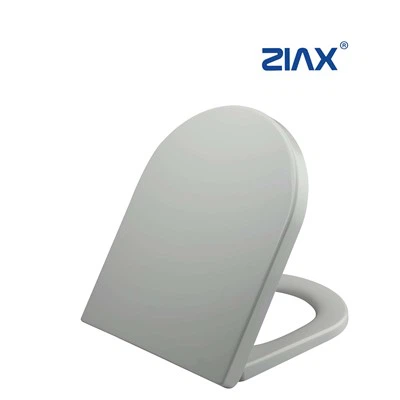
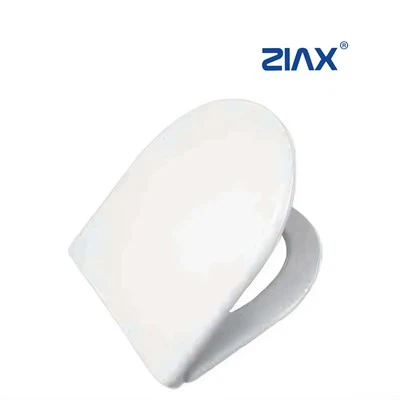
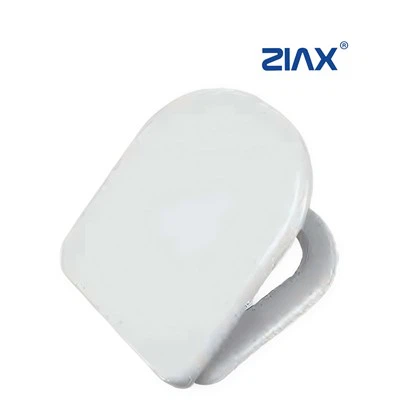
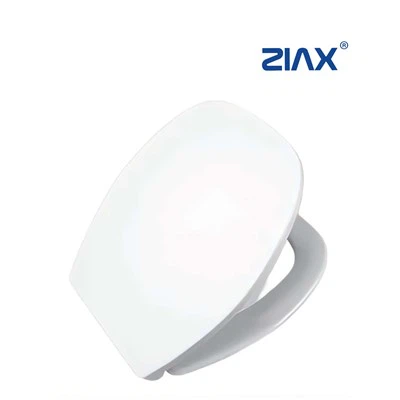
Products Description
In the fast-paced modern life, the detailed design of household items often reflects the quality of life. As a frequently used item in our daily lives, the design of the toilet seat directly affects the happiness of home life. It's easy to notice that almost all high-end toilet seats with excellent reputations on the market have a key component - the damper. This seemingly insignificant small device actually contains a lot of knowledge. Today, we'll delve into the "excellence" of dampers, reveal why they have become a "standard feature" of high-quality toilet seats, and show you those overlooked practical values.
What is a Toilet Seat Damper
A toilet seat damper, simply put, is a buffer device installed at the connecting axis of the toilet lid and the seat ring, but its technical principle is far more complex than the word "buffer". It mainly achieves the buffering effect in two ways: hydraulic dampers rely on the viscous resistance of internal silicone oil to make the piston move slowly in the cylinder; pneumatic dampers use the resistance generated by gas compression to control the opening and closing speed.
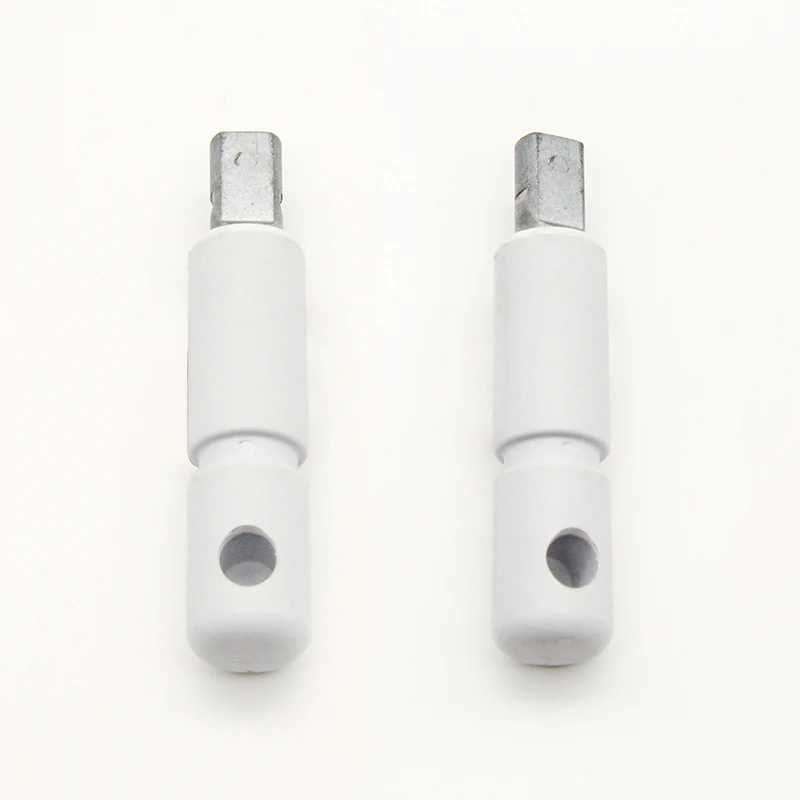
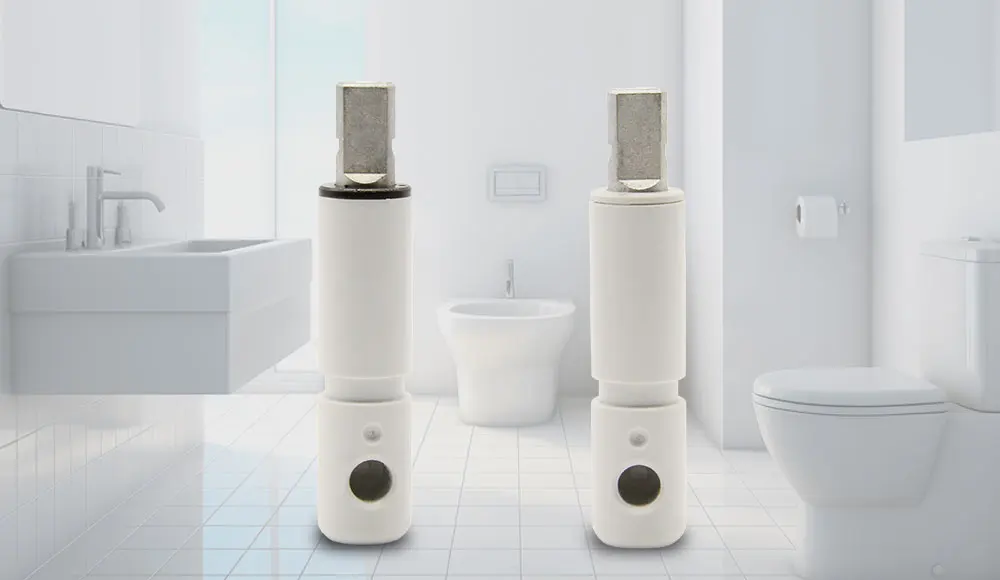
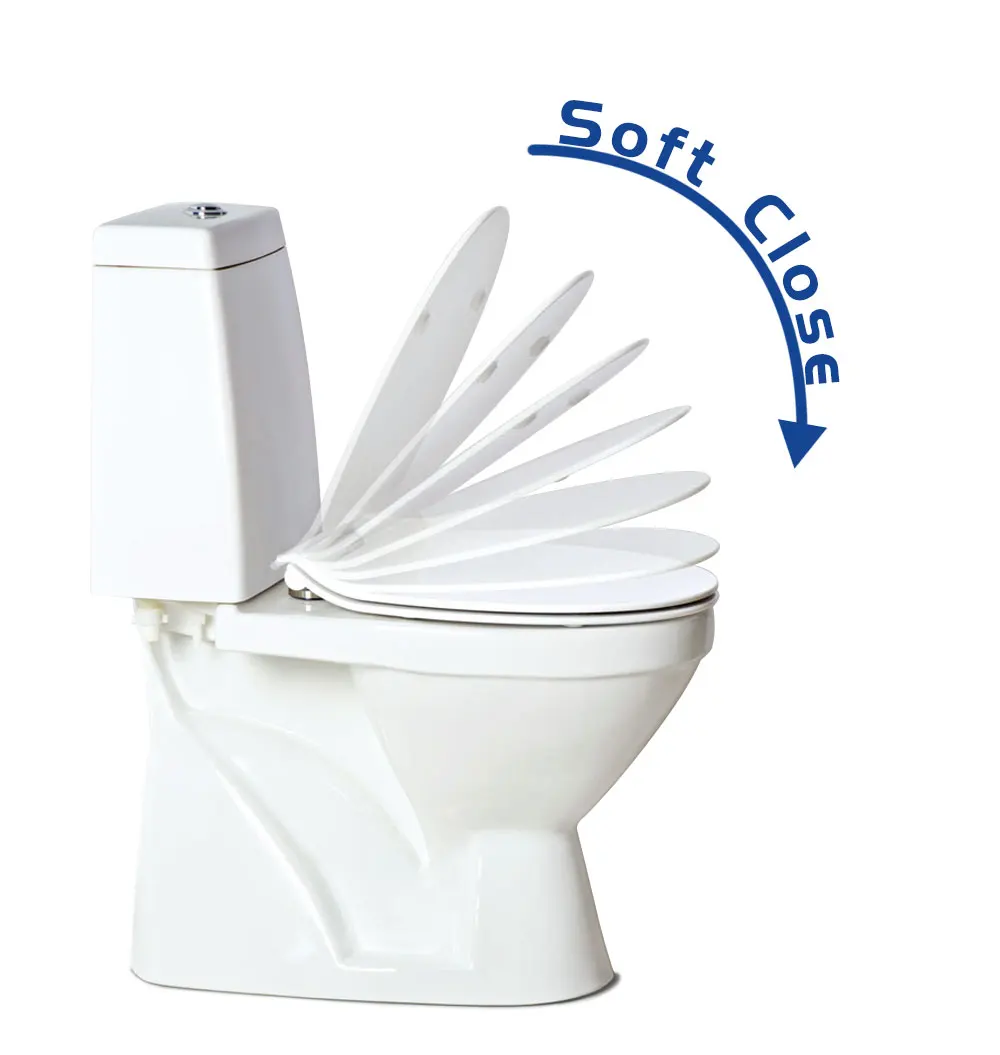
In terms of materials, high-quality dampers mostly use zinc alloy or stainless steel shells, and internal components are made of wear-resistant engineering plastics, which can withstand tens of thousands of opening and closing tests; while inferior products may use ordinary plastics, which will soon have problems such as jamming and failure. Its core function is to convert the free fall movement of the toilet lid into a uniform slow descent, and the entire process takes about 3-5 seconds, which is neither too slow to affect the use efficiency nor too fast to lose the buffering significance.
Professional test data shows that a qualified toilet seat damper can still work normally in an environment of -20℃ to 70℃, which means that its performance will not be greatly affected even in unheated bathrooms in northern winters or hot and stuffy environments in southern summers. However, inferior dampers are prone to oil leakage or seal failure when the temperature changes drastically.
After decades of technological iteration, today's dampers have developed from the initial single buffering function to a multi-functional component integrating mute, durability and safety, becoming an important indicator to measure the quality of toilet seats.
Products Description
Hidden Advantage 1: Say Goodbye to Noise and Protect Quiet Life
The "clang" sound in the bathroom late at night can be called a family silent killer. Data shows that the noise of an ordinary toilet lid when it falls freely can reach 60-70 decibels, which is equivalent to the volume of normal conversation, enough to wake light sleepers. Especially in families with newborns, babies have short sleep cycles, and even a little movement may make them cry non-stop. Frequent waking will also affect the baby's growth and development.
Toilet seats with dampers can control the closing noise within 30 decibels, which is equivalent to the sound of leaves falling. Ms. Wang, a resident of a community in Beijing, shared her experience: "The toilet lid in the old house didn't have a damper before, and my husband always woke me and the child up when he got up at night. After replacing with a new toilet with a damper, I no longer have to tiptoe to the bathroom in the middle of the night, and the sleep quality of the whole family has improved."
In addition to nighttime, the mute effect during daytime use is also important. For example, when family members are working in the study or children are having online classes in the living room, the movement in the bathroom can easily interfere with concentration. The "silent experience" brought by the damper makes the home environment more harmonious. In some noise-sensitive scenarios, such as apartments where the bedroom is adjacent to the bathroom, this advantage is more prominent, which can effectively avoid mutual interference between family members.
Toilet seats with dampers are also widely used in hospital ward bathrooms, because patients need a quiet environment for recuperation, and any extra noise may affect recovery. The person in charge of logistics in a top three hospital said: "Since all ward bathrooms were replaced with toilet seats with dampers, the number of patient complaints about noise has decreased by 70%, and the working environment of medical staff has also become quieter."
Hidden Advantage 2: Protect the Toilet and Extend Its Service Life
The service life of a toilet largely depends on the wear degree of its components. The impact force of an ordinary toilet lid each time it closes is about 3-5 kilograms. Long-term repeated collisions will cause multiple damages: the screws at the connection between the toilet lid and the seat ring are easy to loosen or even break; the glaze on the edge of the ceramic toilet will be gradually scratched, which not only affects the appearance but also may breed bacteria; in severe cases, it may cause the sealant between the toilet base and the ground to crack, resulting in water leakage.
After-sales data from a bathroom brand shows that users using toilet seats without dampers need to replace the lid or repair the base on average every 3-5 years; while products equipped with high-quality dampers can have a service life extended to 8-10 years. Master Li, a decorator in Shanghai, revealed: "Nearly 30% of the toilet repairs I handle every year are due to component damage caused by lid collisions. After adding dampers to old toilets, such problems can be reduced by more than 80%."
After-sales data from a bathroom brand shows that users using toilet seats without dampers need to replace the lid or repair the base on average every 3-5 years; while products equipped with high-quality dampers can have a service life extended to 8-10 years. Master Li, a decorator in Shanghai, revealed: "Nearly 30% of the toilet repairs I handle every year are due to component damage caused by lid collisions. After adding dampers to old toilets, such problems can be reduced by more than 80%."
From the perspective of economic cost, the cost of a high-quality damper only accounts for 5%-8% of the total price of the toilet, but it can reduce maintenance costs by about 60%. For rental houses, installing toilet seats with dampers can reduce maintenance costs caused by frequent replacement of components; for owner-occupied houses, it can avoid the trouble of renovation due to toilet damage.
Hidden Advantage 3: Ensure Safety and Avoid Accidental Injuries
Available surface treatment processes

The bathroom is a high-risk area for family accidents, and the safety hazards of the toilet seat cannot be underestimated. For children, who are curious, they may put their hands under the toilet lid to play. The instantaneous impact force of the quickly falling lid can reach 5 kilograms, which is easy to cause finger crush injuries; when the elderly get up, if they accidentally touch the lid, the sudden sound and collision may cause fright and imbalance, increasing the risk of falling.
According to the "Home Safety White Paper", among family injuries caused by accidental closing of toilet lids every year, children's finger contusions account for 62%, and elderly falls account for 18%. The slow descent design of the damper allows the lid to stop at any time during the closing process. Even if a finger is caught, there is enough time to pull it out, greatly reducing the probability of injury.
In addition, the toilet seat is cold in winter. If it hits the skin when falling quickly, it may cause cold stimulation and discomfort. The slow closing of the damper gives users time to react and avoid, making use more reassuring. For people with mobility issues, such as pregnant women or post-operative rehabilitation patients, this design can reduce body shaking caused by sudden collisions and provide a more stable user experience.
Kindergartens and other places attach great importance to children's safety, and toilet seats with dampers have become standard equipment. The principal of a kindergarten said: "Children will inevitably come into contact with toilet lids when activities in the bathroom. After installing products with dampers, there have been no cases of children being pinched, and parents are more assured to leave their children to us."
Purchasing Advice: Identify Dampers and Choose the Right Toilet Seat
Choosing the right toilet seat with a damper requires attention to three core points:
Purchasing Advice: Identify Dampers and Choose the Right Toilet Seat

Check Performance

Check Materials

Test Adaptability
If the budget is sufficient, you can choose high-end products with "damper failure protection". When the damper fails, it will automatically lock in the open state to prevent sudden fall. In daily use, regularly wipe the damper connection with a dry cloth to avoid water stains entering and affecting performance. You can drop 1-2 drops of special lubricating oil (do not use edible oil) on the connecting shaft every six months to keep the damper running smoothly.
Questions
Frequently Asked Questions
Can the damper be replaced separately if it is broken?
Most brands of dampers can be replaced separately without replacing the entire toilet seat. When purchasing, you need to pay attention to matching the model and size of the original toilet seat, or choose a universal damper. The replacement process is relatively simple, usually by removing the old damper with a screwdriver and then installing the new one.
Will the damper increase the weight of the toilet seat?
Which has little impact on the overall weight of the toilet seat and will not affect normal opening and closing.
Which is better, hydraulic damper or pneumatic damper?
Hydraulic dampers have more stable buffering effect and are less affected by temperature, making them suitable for areas with large temperature differences; pneumatic dampers have lower cost and are lighter to install, suitable for price-sensitive users. You can choose according to your own needs and usage environment.
The small damper, seemingly an insignificant accessory, carries three core values: mute, protection, and safety. It is not only the "ID card" of high-quality toilet seats but also a wise choice for modern home "detail lovers". Next time you choose a toilet, you might as well pay more attention to this "hidden hero" to make your home life more quality and warm.