When buyers compare toilet seats, material is often the first specification they notice. UF, PP, duroplast, wood and other materials can have very different levels of rigidity, flexibility, surface performance, weight and resistance to everyday conditions.
For homeowners, material affects comfort, appearance and maintenance. For importers, distributors, sanitaryware brands and project buyers, however, the question is broader: Will the complete toilet seat remain stable, functional and safe under the actual conditions in which it will be used?
This guide explains the main safety considerations for UF, PP and wood-based toilet seats and shows what buyers should verify before approving a model for production.
What Makes a Toilet Seat Safe?
A safe toilet seat is not simply one made from a particular resin or material. Safety is a system-level result.
| Safety factor | What buyers should evaluate |
|---|---|
| Material | Material identity, grade, formulation and suitability for the intended environment. |
| Structural design | Wall thickness, ribs, transitions, bumper positions, fixing areas and stress concentration points. |
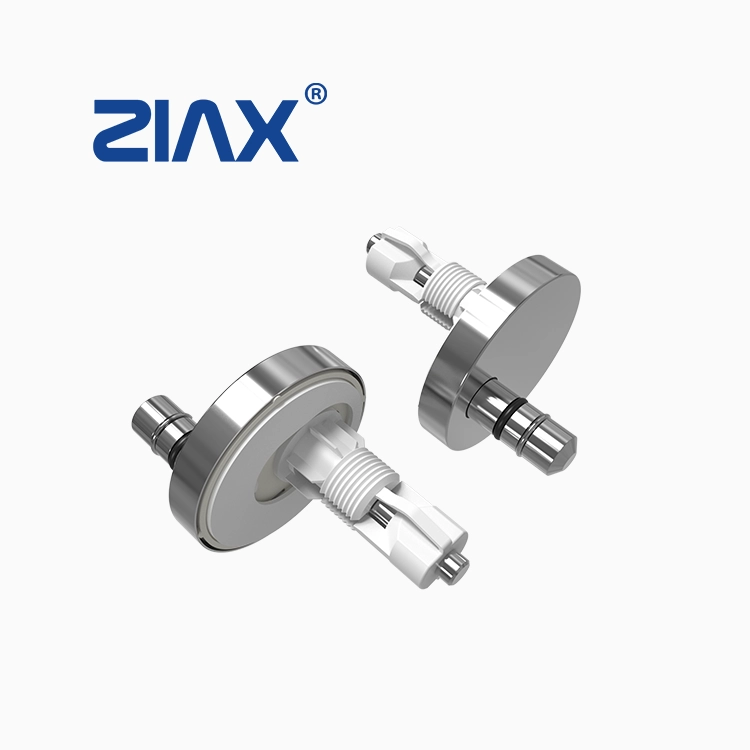
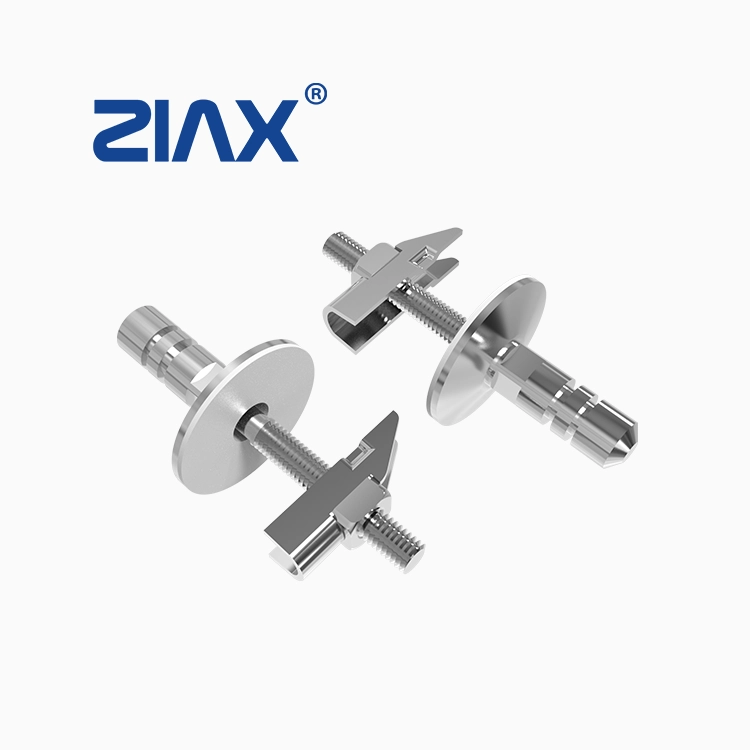
| Hinge system | Hinge strength, fixing security, damper performance, corrosion resistance and quick-release retention. |
| Bowl compatibility | Overall dimensions, hinge-center distance, adjustment range, bowl shape and bumper contact. |
| Installation | Correct fixing method, tightening procedure, mounting access and clearance around the bowl. |
| Cleaning environment | Compatibility with the actual cleaners, disinfectants, temperature and exposure time used in the target market. |
| Finished-product testing | Load, deflection, impact, cycling, chemical resistance, surface and dimensional verification where applicable. |
For this reason, a material should not be judged in isolation. A well-designed PP seat can perform better than a poorly engineered UF seat, and the reverse can also be true. Buyers should compare finished products under equivalent test conditions.
UF vs. PP: Which Material Is Safer?
There is no universal winner. UF and PP belong to different material families and offer different performance profiles.
| Decision factor | UF / Duroplast | PP / Polypropylene | Buyer verification |
|---|---|---|---|
| Material family | Thermoset molding compound | Thermoplastic polypropylene | Material declaration, grade and additives |
| Typical processing | Compression molding and curing | Injection molding | Process control and dimensional consistency |
| Rigidity | High rigidity and solid feel | More flexible | Finished-seat deflection under agreed load |
| Impact behavior | Rigid and potentially less tolerant of concentrated impact | Generally more flexible and impact tolerant | Finished-seat impact/drop testing |
| Surface | Typically hard, smooth and glossy | Typically matte, semi-gloss or lightly textured | Approved surface and appearance sample |
| Scratch resistance | Typically stronger against light scratching | More formulation- and surface-dependent | Agreed scratch or abrasion method |
| Weight | Usually heavier | Usually lighter | Net unit weight and packed weight |
| Cleaning resistance | Hard, smooth surface; cleaner compatibility still needs validation | Generally practical for routine cleaning; formulation matters | Test against the actual cleaning chemicals |
| Typical market positioning | Premium residential, hospitality and design-led collections | Value, rental, replacement, retail and broad project ranges | Target market and total landed cost |
The current Ziax buyer guide for UF and PP reaches the same practical conclusion: buyers should compare the complete finished seat rather than assuming that one material is automatically better. [UF Toilet Seats vs. PP Toilet Seats: Which Is Better for Your Market?](https://www.ziaxbathroom.com/info/uf-toilet-seats-vs-pp-toilet-seats-which-is-103042481.html?utm_source=chatgpt.com)
UF Toilet Seats: Safety Considerations
UF stands for urea-formaldehyde. In toilet-seat production, UF molding compounds are shaped under heat and pressure and cured into a thermoset structure.
UF seats are typically rigid, hard and smooth, and they are often selected when a premium, ceramic-like appearance is important. Their rigidity and surface characteristics can also support scratch resistance and a solid user feel.
Where UF Can Be a Good Fit
- Premium residential bathroom collections.
- Hotels, showrooms and design-led bathroom projects.
- Applications where a rigid, glossy and ceramic-like appearance is important.
- Programs where surface appearance and scratch resistance are important buying criteria.
What UF Buyers Need to Watch
UF is rigid, so the finished design needs to be evaluated for concentrated impact, stress concentration, mounting-hole geometry and bowl compatibility. The material name itself does not prove that a particular seat will resist cracking.
For UF products, buyers should also request the finished-product material declaration and any model-specific documentation required for the destination market. Do not infer finished-product emissions or compliance solely from the word "UF."
For a closer look at Ziax's UF product range, visit the UF Toilet Seat Covers category.
PP Toilet Seats: Safety Considerations
PP stands for polypropylene. It is a thermoplastic commonly processed by injection molding for toilet seats.
Compared with UF, PP is generally lighter and more flexible. That flexibility can help it tolerate everyday knocks and handling, which is useful for replacement programs, value-oriented products and applications where shipping weight is important.
Where PP Can Be a Good Fit
- Value-oriented retail programs.
- Rental housing and replacement markets.
- Large-volume projects where low weight is commercially useful.
- E-commerce and long-distance distribution where freight and handling matter.
- Programs that prefer flexibility and everyday impact tolerance.
What PP Buyers Need to Watch
PP performance depends strongly on resin grade, formulation, wall thickness, additives, texture and injection-molding control. Therefore, "PP" is not a complete technical specification.
Buyers should verify dimensional stability, deformation under load, hinge security, surface appearance and resistance to the cleaning chemicals used in the target market.
For current product options, visit the PP Toilet Seat Covers category.
What About Wood and Bamboo Toilet Seats?
Wood-based and bamboo toilet seats can provide a natural appearance and a different design language from molded plastic seats. However, their performance depends strongly on the specific material, coating, construction and maintenance conditions.
Wood
Wood can be sensitive to prolonged exposure to water, humidity, heat and unsuitable cleaning chemicals. Different wood species also have different mechanical properties.
For a wood toilet seat, buyers should evaluate the surface coating, moisture resistance, edge treatment, mounting structure and long-term exposure to the actual bathroom environment.
Bamboo
Bamboo is a renewable material, but it still requires appropriate moisture protection and surface treatment when used in a bathroom. Strong cleaning chemicals, prolonged humidity and poor surface protection can affect appearance and service life.
For both wood and bamboo, cracks, surface deterioration, mold and deformation should be part of the inspection criteria.
Material Is Not the Only Safety Factor
One of the most important points for B2B buyers is that toilet-seat safety is a system issue.
1. Hinge and Damper System
A high-quality seat can still become unstable if the hinge is poorly designed or incorrectly installed. Soft-close consistency, fixing security, damper torque, corrosion resistance and quick-release retention should be evaluated as part of the finished product.
Ziax's OEM manufacturing process includes soft-close hinges, quick-release hinges and stainless-steel or zinc-alloy hinge bases, with assembly checks including torque calibration, damping tests and functional checks.
2. Geometry and Wall Structure
Material properties cannot compensate for an unsuitable structural design. Rib layout, local thickness, transitions around bumpers and hinges, and molding consistency all influence deflection and cracking behavior.
3. Bowl Compatibility
A toilet seat must match the ceramic bowl. Before approval, confirm the overall length and width, hinge-center distance, adjustment range, bowl shape, bumper contact and installation clearances.
For a new B2B program, the preferred workflow is:
- Confirm the bowl drawing or key dimensions.
- Approve the toilet-seat dimensional drawing.
- Install the physical sample on the target bowl.
- Check mounting, stability and opening clearance.
- Record the approved sample as the production reference.
4. Cleaning Chemicals
A toilet seat can encounter disinfectants, bathroom cleaners and other chemicals during its service life. Chemical resistance should therefore be evaluated against the actual products and concentrations expected in the target market.
What Safety Tests Should Buyers Request?
For B2B procurement, a supplier's statement such as "strong," "safe," "antibacterial" or "scratch resistant" is not enough. The buyer should define what is being tested, how it is tested and what constitutes a pass.
| Verification item | What to request | Why it matters |
|---|---|---|
| Material identity | Finished-product material declaration and relevant grade information | Confirms that the quoted construction matches the supplied product. |
| Dimensions | Controlled drawing, tolerance table and fit sample | Reduces installation failures and returns. |
| Static load | Load location, duration, deflection and cracking criteria | Evaluates the complete seat structure. |
| Impact | Finished-seat impact or drop test method and results | Helps identify brittleness and local weaknesses. |
| Hinge cycling | Cycle count, operating conditions and post-test inspection | Checks hinge and damper durability. |
| Chemical resistance | Actual cleaner, concentration, contact time and temperature | Reduces surface damage and stress-cracking risk. |
| Surface performance | Agreed scratch or abrasion method and acceptance criteria | Turns a marketing claim into a measurable requirement. |
| Batch consistency | Incoming material inspection, in-process inspection and final inspection plan | Maintains the approved sample's performance during mass production. |
Where a destination market or project specifies a particular standard, the buyer should agree on the applicable standard and test scope before production. A material certificate alone does not replace finished-product verification.
How Should You Choose UF or PP for Your Market?
| Buyer scenario | Possible starting point | Why | Important checks |
|---|---|---|---|
| Premium bathroom brand | UF | Gloss, rigidity and ceramic-like appearance support premium positioning. | Impact performance, hinge quality and surface consistency. |
| Hotel or upscale project | UF or validated PP | UF may fit the visual brief; PP may fit high-turnover maintenance programs. | Cleaning chemicals, replacement strategy and lifecycle testing. |
| Rental or value retail | PP | Lower weight and cost can suit large-volume replacement programs. | Deformation, hinge security and color stability. |
| Public or high-use environment | Test both | Impact, fastening and hinge performance may matter more than material label. | Load, lateral force, impact and attachment tests. |
| E-commerce distribution | PP may have a logistics advantage | Lower unit weight can reduce handling and freight burden. | Carton utilization, drop protection and return risk. |
| Architect-specified project | Follow the performance brief | The material must satisfy appearance, compliance and maintenance requirements together. | Approved sample, bowl match, submittals and change control. |
Many distributors and private-label brands do not need to choose one material for every product. A UF premium range and a PP value range can serve different channels while keeping each product aligned with its intended use.
How Ziax Approaches UF and PP Toilet Seat Manufacturing
Ziax's current OEM manufacturing information identifies UF and PP as common toilet-seat material options. UF is described as a high-hardness material with a glossy finish, while PP is described as lightweight, durable and cost-effective. The manufacturing route also differs: PP seats are typically injection molded, while UF seats are compression molded.
The OEM process begins with design, dimensions and material confirmation. Mounting-hole spacing, hinge type, seat thickness, quick-release and soft-close requirements are confirmed before tooling, with 2D drawings and 3D models available for approval.
For B2B buyers, this means material selection should be discussed together with the actual product drawing, hinge configuration, tooling and intended market-not as an isolated material choice.
Send your destination market, bowl dimensions or drawing, target quantity, preferred material, hinge requirements and packaging needs. Ziax can help shortlist suitable models for a like-for-like comparison.
Request a QuoteCommon Toilet Seat Safety Claims That Need Verification
"This toilet seat is universal."
Ask for the supported bowl dimensions, hinge adjustment range, mounting method and actual fit records. A "universal" label should always be supported by a declared dimensional range.
"This seat is antibacterial."
Ask whether the claim comes from a surface treatment, what organism was tested, which method was used and whether the report covers the exact quoted model.
"UF is always safer than PP."
This is too broad. UF is generally more rigid and surface-hard, while PP is generally more flexible and impact tolerant. Complete-seat structure and testing can change the result.
"PP is safer because it is flexible."
Flexibility alone does not prove safety. Buyers still need to evaluate load performance, permanent deformation, hinge security, dimensions and installation.
"Non-toxic" or "compliant."
Ask for the exact regulation or standard, test item, laboratory, date and covered SKU. A general factory certificate is not automatically a product compliance report.
"The material is recyclable."
PP is a thermoplastic and has a clearer technical route for mechanical recycling, while UF is a thermoset and cannot be remelted in the same way. However, real-world recycling also depends on collection, contamination, disassembly and the destination market's recovery infrastructure.
What Should You Include in a Toilet Seat RFQ?
For a meaningful quotation, do not send only "Please quote PP toilet seat." Give the supplier a standardized technical and commercial brief.
- Destination country and sales channel.
- Toilet bowl drawing or key dimensions.
- Preferred material: UF, PP or both for comparison.
- Seat and lid dimensions.
- Hinge-center distance and adjustment range.
- Soft-close or standard hinge requirement.
- Quick-release requirement.
- Color, surface finish and logo requirements.
- Estimated order quantity and annual demand.
- Private-label packaging and manual requirements.
- Required tests or destination-market documents.
- Target Incoterm and shipping destination.
Comparing suppliers using the same specification prevents a low-priced basic seat from being compared directly with a premium seat that includes a different hinge, packaging level, test scope or material formulation.
Frequently Asked Questions
Yes, material affects properties such as rigidity, flexibility, impact behavior, surface performance and chemical resistance. However, finished-product safety also depends on structural design, hinges, bowl compatibility, installation and testing.
Not universally. UF is generally harder and more rigid, while PP is generally more flexible and impact tolerant. The safest choice depends on the complete seat design, intended use, installation and finished-product test results.
PP can be a practical choice when low weight, flexibility, impact tolerance and cost are important. Buyers should still verify resin formulation, wall structure, dimensional stability, hinge performance and cleaning resistance.
Do not infer finished-product emissions from the material name alone. Buyers should request a current, model-specific material declaration and any emissions or compliance documentation required by the destination market.
PP generally tolerates impact and flex better, while UF is more rigid and can be less tolerant of concentrated impact. However, wall structure, ribs, hinge areas, installation and molding quality can change the result. Finished-seat impact and load testing is the better basis for comparison.
Check the bowl dimensions, hinge-center distance, mounting method, material, load and impact requirements, cleaning chemicals, surface requirements, soft-close performance, sample fit and the documentation required by the destination market.
Final Takeaway
Toilet seat material does affect safety, but material alone does not determine whether a seat is safe.
UF is generally a good starting point when rigidity, gloss, scratch resistance and a premium appearance are important. PP is often a practical starting point when lower weight, flexibility, impact tolerance and cost are priorities. Wood and bamboo require particular attention to moisture protection, coatings, cleaning and maintenance.
For B2B buyers, the best decision is not "UF or PP?" in isolation. The better question is:
That is why sample approval, dimensional verification and finished-product testing should be part of the sourcing process before mass production.
Send your bowl dimensions or drawing, destination market, target quantity, material preference and hinge requirements. Ziax can help you compare suitable toilet-seat models and prepare a sourcing quotation.
Request a Quote