How Do You Know If a Toilet Seat Will Fit?
A toilet seat is compatible only when the seat outline, bowl dimensions, hinge geometry, support points and mounting method work together. Shape names such as U-shaped, V-shaped, O-shaped, D-shaped, round or elongated are useful filters, but they are not complete fit specifications.
Short answer: first compare the bowl contour, hinge-centerline-to-front length, maximum width and fixing-hole centers. Then check the seat's hinge adjustment range, top-fix or bottom-fix requirement, bumper contact and rear clearance. If any one of these falls outside the seat's actual design range, a visually similar seat can still be incompatible.
If you have not recorded the bowl dimensions yet, use our toilet seat measurement guide first. This page focuses on what those measurements mean for compatibility.
Six Factors Decide Toilet Seat Compatibility
The seat ring should follow the ceramic rim from the rear hinge zone to the front without excessive overhang or exposed ceramic.
Hinge-to-front length and maximum width determine whether the seat footprint matches the bowl rather than merely looking similar.
The bowl's hole centers and hole diameter must work with the selected hinge bases, bolts, plugs or expansion hardware.
An adjustable hinge can cover only its declared usable range. It cannot compensate for an incorrect seat outline or overall size.
The seat's support bumpers should land on stable ceramic areas so normal loading is transferred into the bowl instead of concentrated at the hinges.
The seat and lid need room to open, while the fixing system must match the actual top-fix or bottom-fix installation conditions.
U-, V-, O-, D-, Round and Elongated Toilet Seats Are Shape Families, Not Exact Sizes
| Shape Family | Typical Visual Character | Compatibility Check to Prioritize |
|---|---|---|
| U-Shaped | Rounded or elongated front with relatively smooth side lines. | Length, width, rear contour, hinge setting and bumper support. |
| V-Shaped | More visibly tapered toward the front. | Front taper, mid-bowl width, overall length and hinge range. |
| O-Shaped / Oval | Continuous rounded or oval curvature around the front. | Length-to-width ratio, front radius and hinge centers. |
| D-Shaped | Flatter rear profile with a rounded front, creating a D-like outline. | Rear width, hinge position, tank clearance and front curvature. |
| Round | Shorter rounded footprint often used as a retail sizing category. | Actual hinge-to-front length, width and bolt spacing. |
| Elongated | Longer oval footprint extending farther toward the front. | Hinge-to-front length, front profile and rear clearance. |
| Squared / Proprietary | Straightened sides, squared corners or ceramic-brand-specific contours. | Controlled drawing, full outer contour and physical fit sample. |
Do not convert a shape label into a size standard. Two seats sold as "D-shaped" or "O-shaped" can still have different lengths, widths, rear profiles and hinge positions.
Compare Real U-, V- and O-Shaped Toilet Seat Profiles
Product images are useful for recognizing the general shape family, but the final fit still depends on the drawing and dimensions. The examples below link directly to current ZIAX product pages so buyers can move from shape recognition to model-level specifications.

U-Shaped PP Toilet Seat
Use this profile as a visual U-shape reference, then verify the actual bowl dimensions, fixing centers and hinge system.

A1-A109 V-Shaped UF Seat
The tapered front illustrates why V-shape compatibility depends on the complete bowl contour, not hinge spacing alone.

A1-A112 O-Shaped UF Seat
The rounder oval outline differs from the V-shaped example even though the published hinge range is the same.
What an Adjustable Hinge Can Fix - and What It Cannot
| Fit Condition | Can Hinge Adjustment Help? | Reason |
|---|---|---|
| Fixing centers differ slightly | Often, if both bowl and final seat position remain inside the declared hinge range. | Adjustable bases can shift the mounting position within a defined range. |
| Seat is too long or too short | Only within limited fore/aft adjustment, if the hinge design provides it. | A large overall-length mismatch cannot be corrected without creating poor front alignment or rear geometry. |
| Seat is too wide or too narrow | No. | Hinge adjustment does not change the seat ring width or bowl contour. |
| Wrong U/V/O/D contour | No. | The outer seat footprint remains unchanged even if the hinge centers align. |
| Bumpers miss the ceramic | Sometimes slightly, but not as a substitute for correct seat geometry. | The support points must remain on stable ceramic surfaces after final alignment. |
| Wrong fixing access | No. | A bowl that requires top fixing cannot be made suitable for inaccessible bottom-fix hardware by shifting the hinge position. |
The Same Hinge Range Does Not Make Two Toilet Seat Shapes Interchangeable
Two current ZIAX UF models show why compatibility cannot be judged from hinge spacing alone:
Listed size: 417 mm long × 360 mm wide. Adjustable hinge range: 57–173 mm. Its tapered V-shaped contour must match the target ceramic bowl.
Listed size: 445 mm long × 376 mm wide. Adjustable hinge range: 57–173 mm. The hinge range overlaps with A1-A109, but the overall footprint is different.
Both models can cover the same published hinge-center range, yet their length, width and outer contours differ. Matching the bolt holes is only one step.
Compatibility Also Includes Top Fix, Bottom Fix, Quick Release and Soft Close

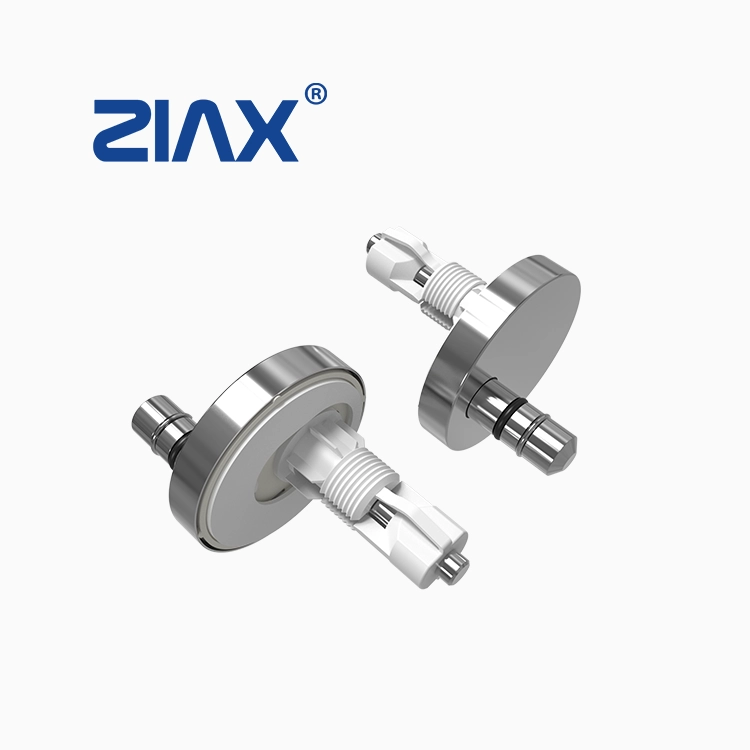
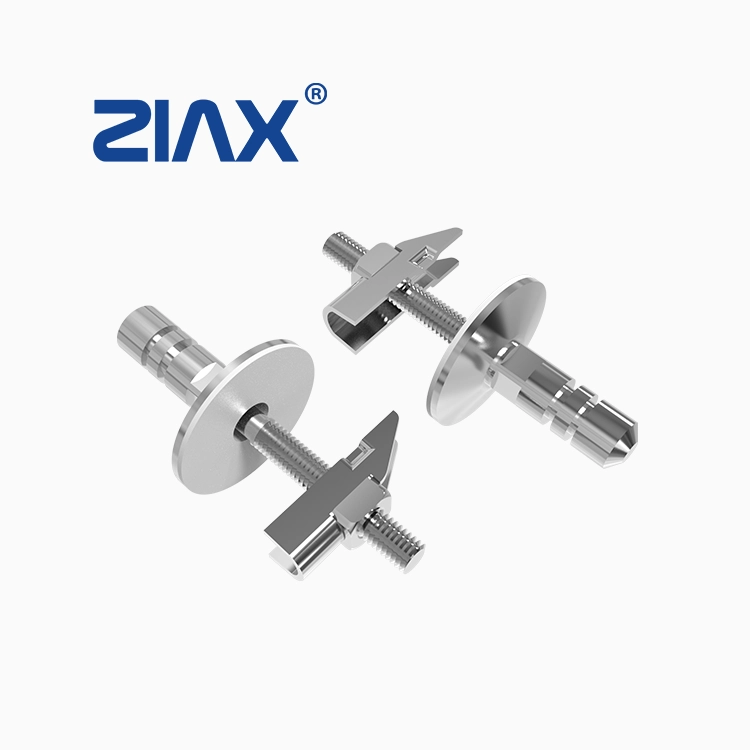
Hinge plates, slots, screws and plugs form part of the fit system. A visually similar hinge can still have a different usable adjustment range or seat-side interface.
See the Mechanical Interface, Not Only the Seat Shape
The HSA019ZS quick-release hinge is a useful example of why compatibility extends beyond the ceramic outline. Its current specification includes a 55.5 mm cover cap, Ø8.3 mm hole and 33.5 × 9.0 mm slot, so the mounting geometry and seat-side release interface need to be checked as part of the complete seat system.
| System Feature | Compatibility Question | What to Verify |
|---|---|---|
| Top Fix | Can the seat be secured from above the ceramic? | Hole diameter, top-fix plugs/expansion hardware, hinge base and usable adjustment range. |
| Bottom Fix | Can the installer reach the underside of both mounting holes? | Bolt length, nuts/washers, underside access and fixing-center range. |
| Quick Release | Does the seat-side release interface match the mounted hinge? | Pins, shafts, lock/release structure, retention and alignment after reattachment. |
| Soft Close | Does the hinge/damper system match the finished seat and lid? | Damper interface, seat/lid weight, torque direction and target closing behavior. |
For hardware selection, compare the ZIAX toilet seat hinge and fixing range. A compatible seat requires both the correct bowl footprint and the correct mechanical interface.
What Common Fit Problems Usually Mean
| Observed Problem | Likely Compatibility Issue | What to Check Next |
|---|---|---|
| Front overhang | Seat is too long or hinge position is too far forward. | Hinge-centerline-to-front dimension and available fore/aft adjustment. |
| Too much ceramic visible at the front | Seat is too short or rear position is incorrect. | Overall length and final hinge position. |
| Side overhang | Seat width or contour does not match the bowl. | Maximum width and outer-profile drawing. |
| Seat rocks under load | Poor bumper contact, loose fixing or unsuitable footprint. | All support points, hinge security and ceramic contact areas. |
| Hinge will not align | Bowl centers fall outside the actual hinge range. | Center-to-center hole spacing and model-specific hinge drawing. |
| Lid hits tank or wall | Insufficient rear clearance or incorrect hinge geometry. | Rear offset, hinge cover dimensions and full opening angle. |
| Quick release will not lock securely | Seat-side hinge interface is mismatched or misaligned. | Release pins, locking structure and approved hinge/seat combination. |
How to Approve Toilet Seat Compatibility for OEM and Wholesale Projects
Collect Bowl Data
Use the ceramic SKU, controlled drawing or a dimensioned top-view reference.
Shortlist by Geometry
Compare contour, length, width, fixing centers and mounting access.
Match Hinge Functions
Confirm top/bottom fix, adjustment, quick release and soft-close requirements.
Approve a Fit Sample
Check front/side alignment, rear clearance, bumper support and seat stability on the real bowl.
Freeze a Fit Matrix
Record bowl SKU, seat SKU, hinge setting and approval result before bulk ordering.
For multiple ceramic models: do not rely on one successful sample to approve an entire range. Keep compatibility tied to each bowl and seat SKU combination.
Compatibility Priorities Change by Buying Scenario
Replacement
Match the actual bowl and existing fixing conditions first. The old seat is a useful reference, but the ceramic is the final fit basis.
Distributor / Wholesale
Build a fit matrix for the bowl families sold in the target market and keep hinge settings tied to approved seat SKUs.
Sanitaryware OEM
Freeze the ceramic, seat, hinge, bumpers and damper interfaces together so later hardware changes do not alter fit.
Hotel / Project
Prioritize consistent fit, stable fixing, cleaning access and replacement continuity across the specified bowl models.
Where Standards Fit into Compatibility Checks
Standards can support a project specification, but they do not replace the actual bowl and seat drawings. DIN 19516 covers requirements and test methods for WC seats, while DIN EN 33 covers connecting dimensions for WC pans and WC suites. Buyers should agree the applicable standard, revision, dimensions and acceptance criteria for the destination market and project.
Continue from Compatibility to Seat and Hinge Selection
Toilet Seat Compatibility FAQ
Compare the bowl contour, hinge-centerline-to-front length, maximum width and fixing-hole centers with the seat drawing. Then verify hinge adjustment, mounting method, bumper contact and rear clearance.
No. Two U-shaped seats can have different lengths, widths, front radii, hinge positions and support points. The shape name is only a first filter.
No. D-shaped bowls can differ in rear width, overall length, front curvature, fixing-hole positions and tank clearance. Compare the exact seat and ceramic drawings.
No. Bolt spacing confirms only part of the mounting geometry. The seat can still have the wrong length, width, contour, rear clearance or bumper locations.
No. Adjustment can accommodate only the declared mounting range. It cannot change the seat ring width, outer contour, bumper locations or the basic bowl footprint.
Possible causes include loose hardware, an unsuitable hinge setting, poor bumper contact, an incorrect seat footprint or uneven support on the ceramic. Check the complete seat-to-bowl interface rather than the fixing holes alone.
Send the ceramic model or drawing, bowl shape, fixing-hole centers, hinge-centerline-to-front length, maximum width, mounting access, required hinge functions, material preference, quantity and destination market. A physical fit sample is recommended before bulk approval.
Send Your Ceramic Drawing for Toilet Seat Compatibility Matching
Please include the bowl shape or ceramic model, fixing-hole center distance, hinge-centerline-to-front length, maximum width, mounting access, required soft-close or quick-release functions, material preference, quantity, destination country and any OEM requirements.
Get a Seat Compatibility Recommendation