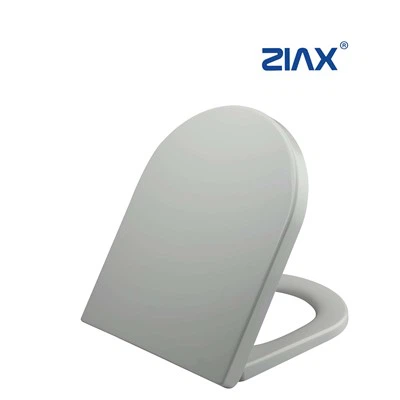
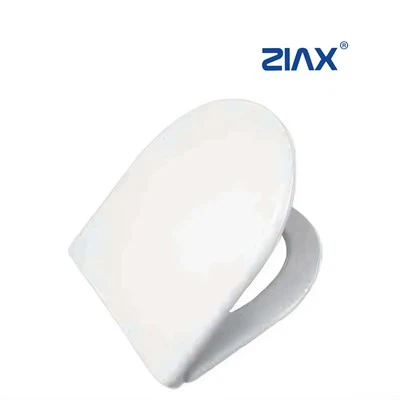
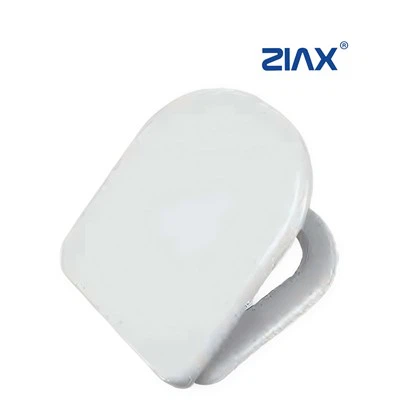
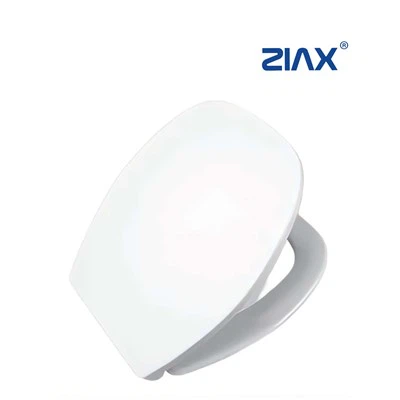
Products Description
Bamboo fiber toilet seats come with natural textures and a warm and smooth touch. They not only have good wear resistance and anti-deformation capabilities, but also possess certain bacteriostatic effects due to their material properties, which can keep them clean and fresh in daily use. Plastic toilet seats, on the other hand, have significant advantages such as being lightweight and durable, easy to clean, and affordable, making them suitable for various bathroom environments. But is a bamboo fiber toilet seat really more environmentally friendly than a plastic one?
Raw Material Sources: Bamboo Fiber Has More Renewable Advantages
Raw Material Sources
Bamboo Fiber Toilet Seats VS Plastic Toilet Seats
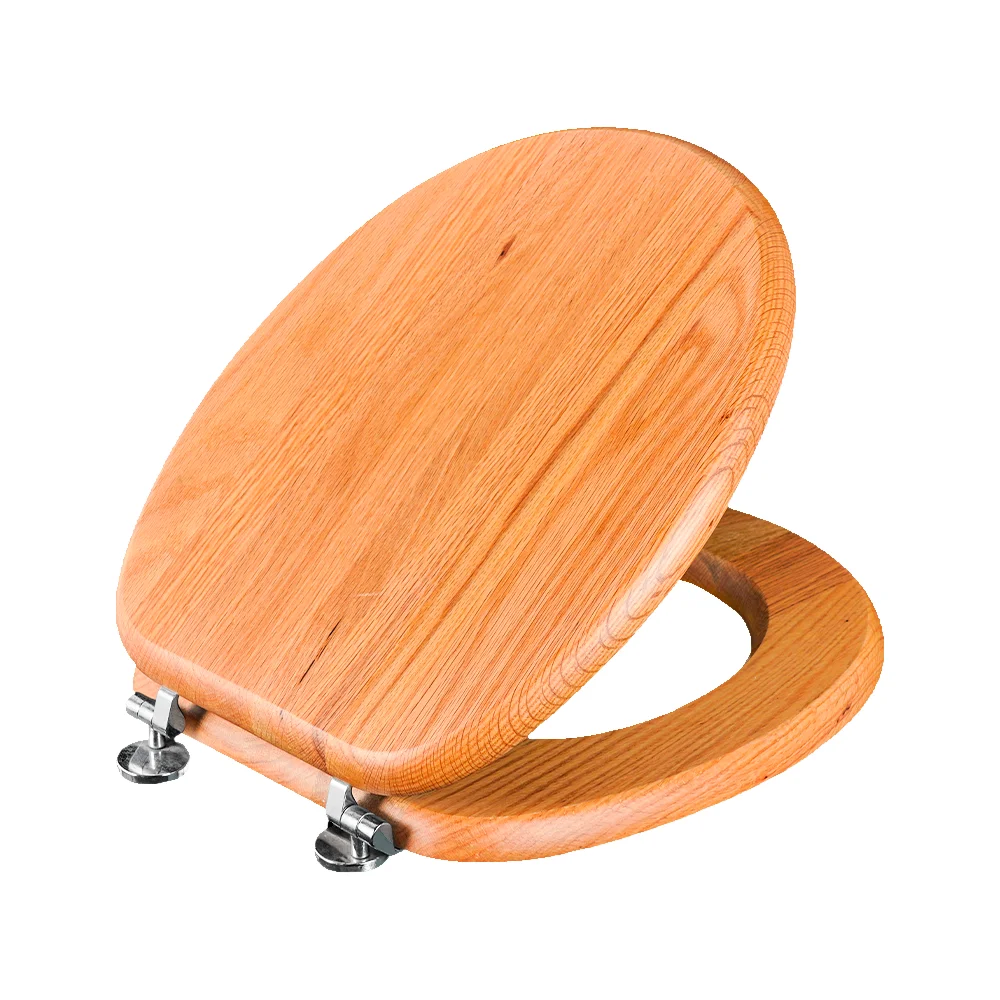
Bamboo Fiber Toilet Seats
Raw material is bamboo, a fast-growing renewable resource. Bamboo has a short growth cycle (matures in 1-3 years), eliminating the need for frequent deforestation. Its well-developed root system allows natural regrowth after harvesting, causing minimal ecological damage.
Bamboo cultivation requires little fertilizer or pesticides and has strong carbon sequestration capacity (absorbing CO₂ and releasing oxygen), helping mitigate the greenhouse effect.
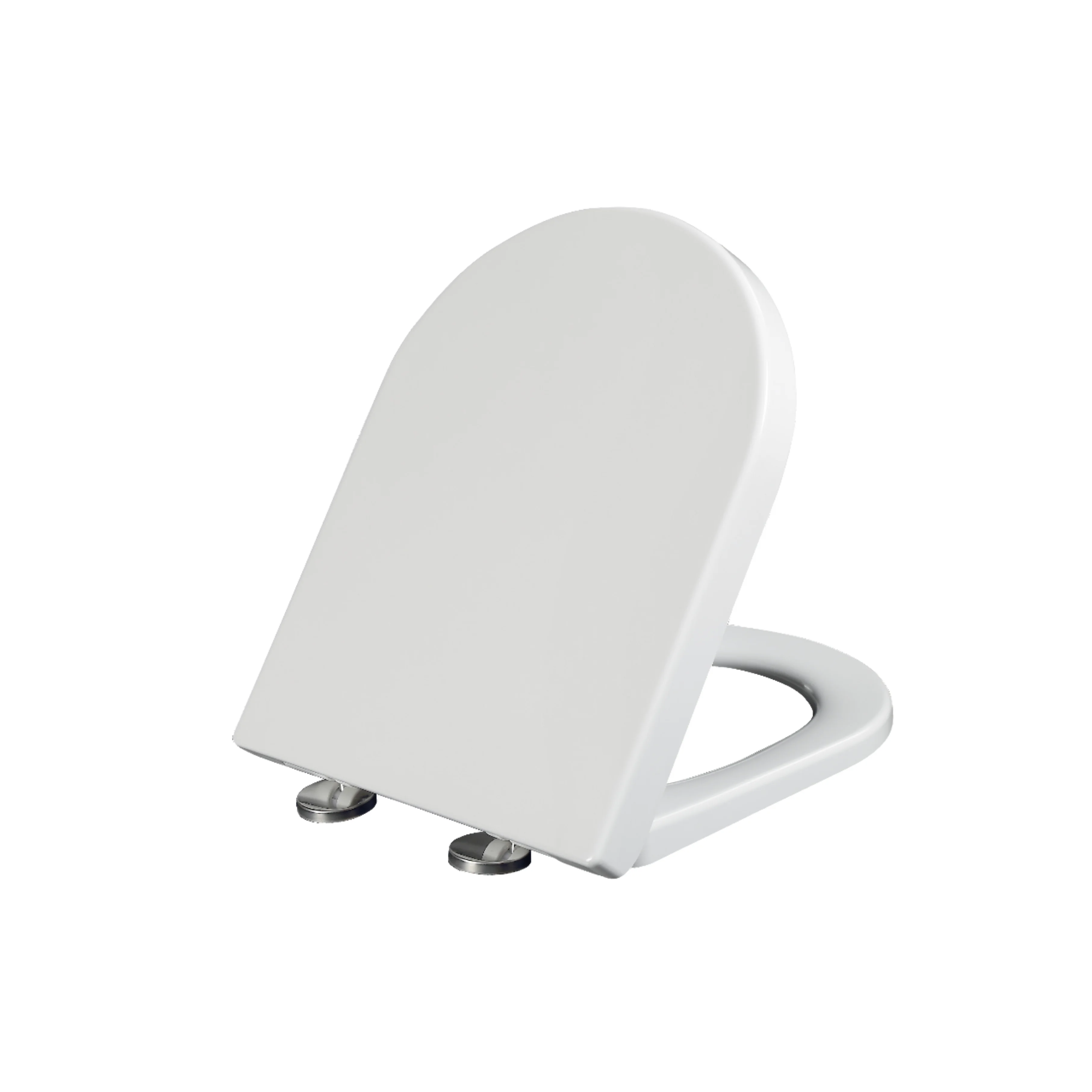
Plastic Toilet Seats
Raw materials are mainly polypropylene (PP) or ABS plastic, derived from petroleum (a non-renewable resource). Petroleum extraction causes soil and water pollution. Its limited reserves and over-reliance exacerbate the energy crisis.
The raw material chain of plastic production (from extraction to refining) is inherently a high-carbon-emission process.
Energy Consumption in Production: Bamboo Fiber Isn't Necessarily "Low-Energy" - It Depends on the Process
When discussing the environmental attributes of products, energy consumption and pollution during the production process are often the core considerations. Many people may assume that products made from natural materials are necessarily more environmentally friendly than chemical synthetic products, but this is not always the case. Taking the toilet seat in daily necessities as an example, the production process of bamboo fiber toilet seat and plastic toilet seat clearly demonstrates the complexity of different materials in terms of environmental performance - the former is not absolutely "low energy consumption, low pollution", and the latter's environmental shortcomings are not insurmountable, and specific situations need to be analyzed in conjunction with their respective production processes.
Next, let's take a look at the production processes of bamboo fiber toilet seats and plastic toilet seats, as well as their specific performance in terms of energy consumption and pollution:
Bamboo Fiber Toilet Seats
Production process: Bamboo harvesting → crushing → pulping (high-temperature cooking or chemical treatment to remove lignin) → fiber formation → mixing with resin (may contain formaldehyde) for compression molding → processing.
Energy consumption and pollution: Chemical reagents (e.g., sodium hydroxide) in pulping may cause wastewater pollution. High-temperature cooking consumes energy (coal, electricity), and carbon emissions remain high if electricity comes from thermal power. Some products add non-degradable resins to enhance hardness, increasing environmental risks.
Plastic Toilet Seats
Production process: Petroleum refining → synthetic plastic pellet production → injection molding (high-temperature melting) → cooling and processing.
Energy consumption and pollution: Injection molding has high energy consumption (high-temperature heating). Plastic production releases greenhouse gases (CO₂, methane). If recycled materials are scarce, virgin plastics have significantly higher carbon emissions than recycled ones.
Degradability After Disposal: Bamboo Fiber Has Clear Advantages, but Requires "Pure Composition"
How we started
2024
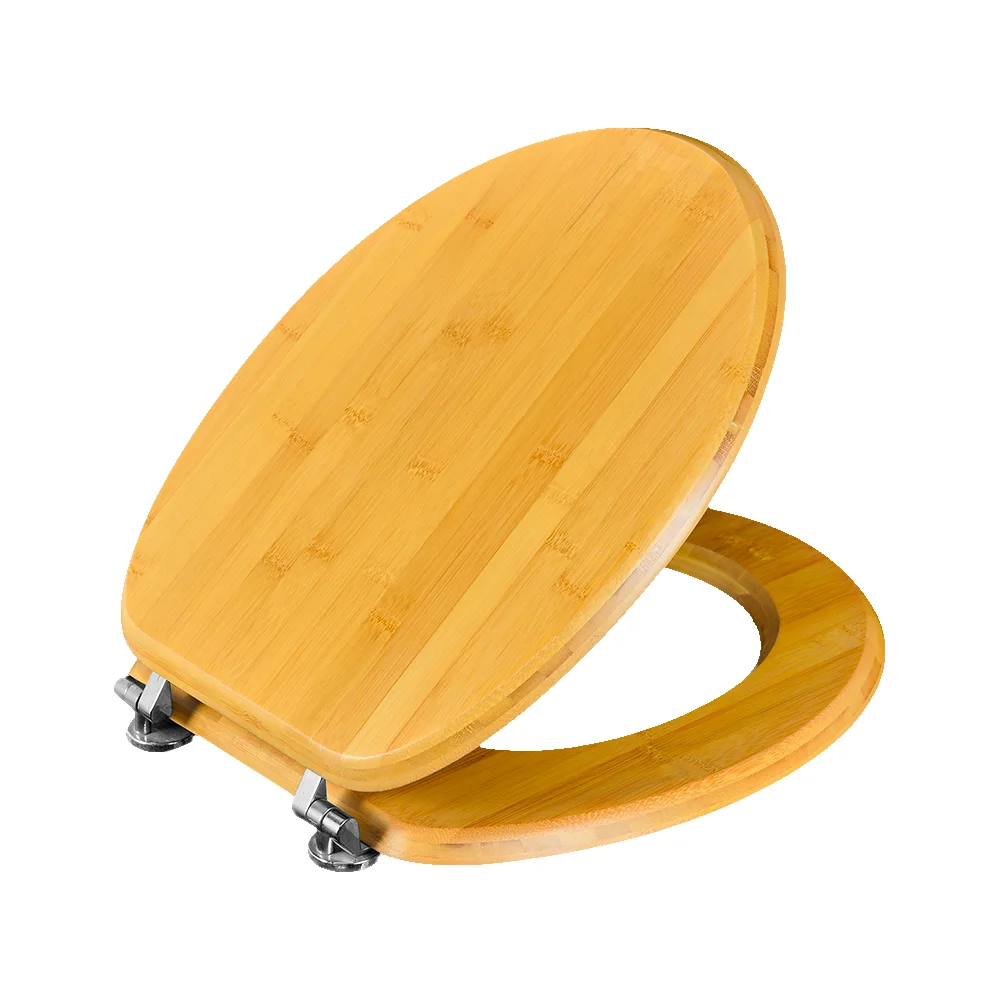
Bamboo Fiber Toilet Seats
Pure bamboo fiber with natural adhesives (e.g., starch glue) decomposes via microorganisms in nature within 6-12 months, causing minimal soil pollution.
However, most market products add synthetic resins (e.g., phenolic resin) or plastic additives for durability, reducing degradability and leaving non-degradable residues, undermining environmental benefits.
2023
FOUNDED COMPANY
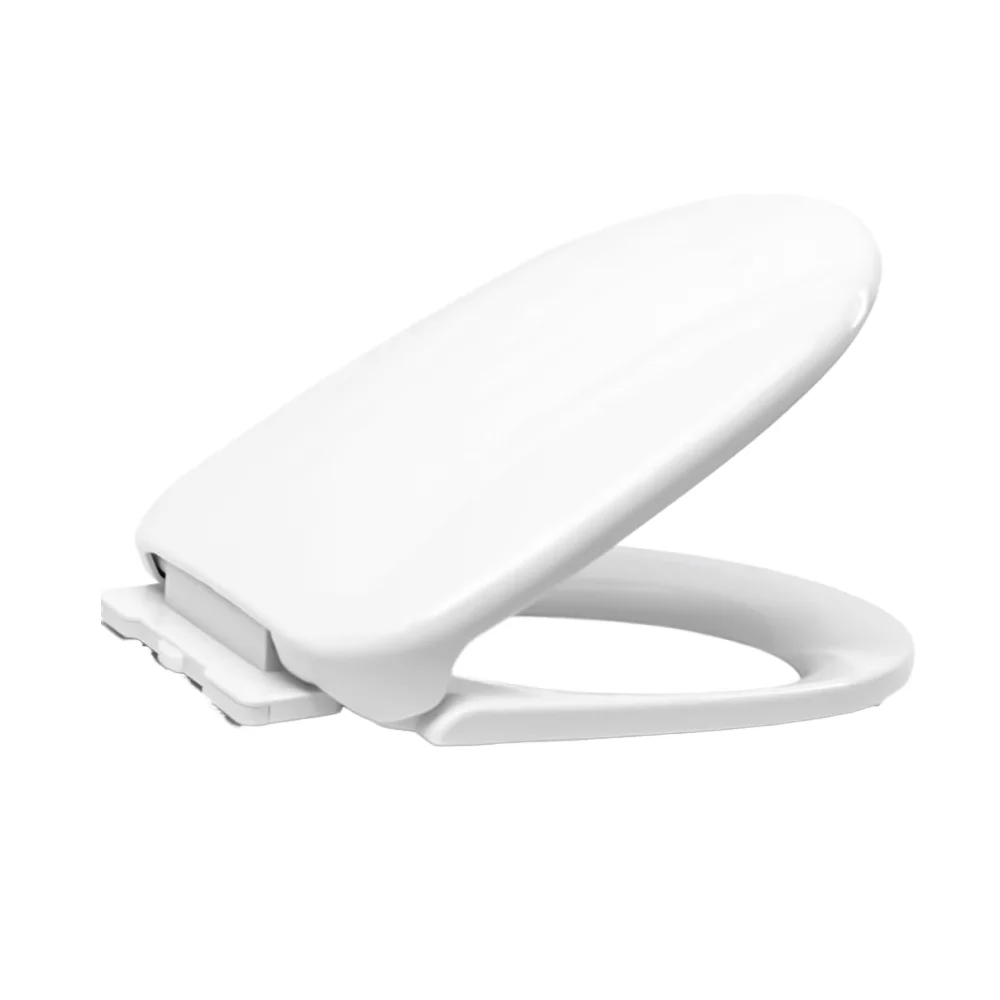
Plastics (PP/ABS) are nearly non-degradable in nature, taking centuries to decompose. Littering causes "white pollution," while incineration releases toxic gases (e.g., dioxins), polluting air.
Recycling: Plastics can be recycled, but toilet seats are often contaminated, making cleaning costly. Global plastic recycling rates are below 10%.
Comprehensive Environmental Comparison Summary
| Dimension | Bamboo fiber toilet seat (high-quality pure ingredient) | Plastic toilet seat (original plastic) |
|---|---|---|
| Renewable nature of raw materials | ★★★★★ (Rapid regeneration of bamboo) | ★☆☆☆☆(Oil is non renewable) |
| Carbon emissions during the production process | ★★★☆☆ (depending on the process, may be moderate) | ★★☆☆☆(Refining+Injection Molding High Carbon Emissions) |
| Environmental impact after abandonment | ★★★★☆(Degradable, low pollution) | ★☆☆☆☆(Difficult to degrade, long-term pollution) |
| Durability and secondary pollution | Poor (susceptible to moisture and mold, may require frequent replacement) | Strong (water-resistant, drop resistant, low replacement frequency) |
Conclusion: Bamboo Fiber Isn't Absolutely Eco-Friendly - It Depends on Composition
In an ideal scenario: Pure bamboo fiber with natural adhesives is more eco-friendly than plastic, thanks to better raw material renewability and degradability.
In reality: Bamboo fiber products with heavy synthetic resins may match plastics in environmental impact. Toilet seats made from recycled plastics may have lower carbon emissions and resource use than low-quality bamboo fiber products.
Recommendation: Prioritize bamboo fiber products labeled "no synthetic resins" or "fully degradable," or high-recycled-content plastic ones. Extend product lifespan to reduce environmental impact throughout the "full life cycle."