Why Do Toilet Seats Break or Crack at the Hinges?
Toilet seats often crack, loosen or wobble first around the hinge area because that small rear zone transfers opening, closing, sitting and side-load forces between the seat and the ceramic bowl.
The usual failure chain is not "weak hinge material" alone. Loose or misaligned fixings, a hinge forced to the edge of its adjustment range, poor bumper support, repeated slamming, an unsuitable damper, corrosion or cleaner exposure can concentrate stress around the hinge bosses until the seat cracks or the mounting system loosens.
For replacement and OEM projects, treat the toilet seat, hinge, fixing hardware, bumpers and damper as one mechanical system. A stronger hinge cannot fully correct an incompatible bowl fit or unsupported seat geometry.

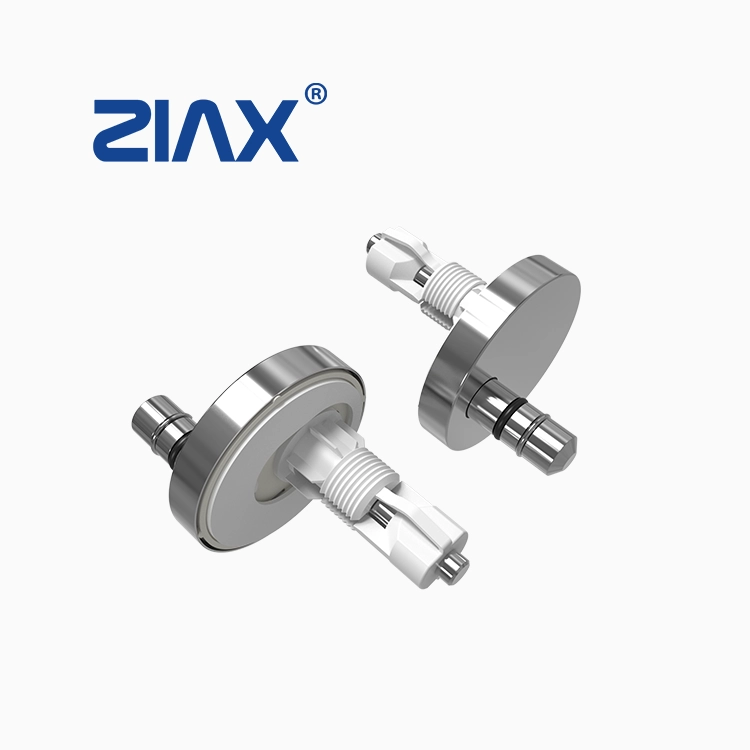
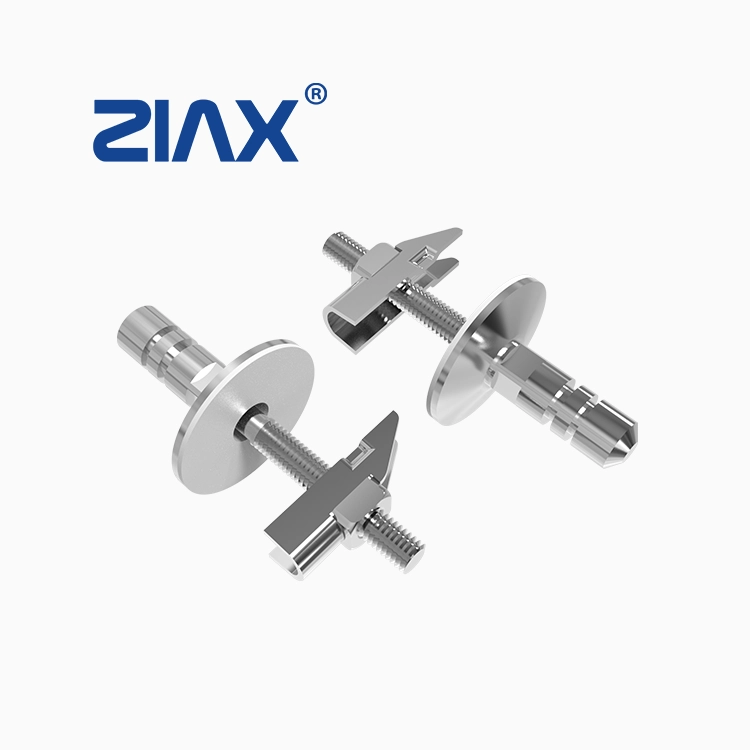
HSA012Z1 illustrates the fixing system behind a toilet seat. Alignment, hardware engagement and bowl access matter as much as the visible hinge material.
Why the Hinge Area Takes More Stress Than the Middle of the Seat
A toilet seat is supported at a limited number of points: the rear hinge fixings and the bumpers beneath the seat ring. When those support points share the load correctly, force is transferred into the ceramic bowl. When one fixing loosens or one bumper misses the ceramic, the seat can twist and move laterally.
That movement increases leverage around the rear connection. A rigid UF seat may show a crack near the hinge boss, while a more flexible PP seat may first show wobble, deformation or fastener movement. The material name alone does not predict the durability of the complete installed seat.

The complete seat footprint, rear hinge position and bumper contact all affect how load reaches the ceramic bowl.
Check the Load Path, Not Only the Broken Part
- Confirm the bowl shape and overall seat footprint.
- Match fixing-hole centers to the actual hinge adjustment range.
- Verify that every intended bumper contacts stable ceramic.
- Confirm top-fix or bottom-fix access before selecting hardware.
- Check the installed seat for lateral play before bulk approval.
Six Common Reasons Toilet Seats Break at the Hinges
Loose Fixings Create Side Movement
Once the mounting system loses clamping force, the seat shifts every time a user sits, stands or turns. Repeated lateral motion can enlarge interfaces and concentrate stress near the hinge connection.
The Hinge Range Does Not Match the Bowl
A hinge forced to an extreme position can leave the seat permanently misaligned. The fixing holes may line up while the seat footprint and support points remain wrong.
Bumpers Do Not Support the Seat
Bumpers are structural support points. If one misses the ceramic or compresses unevenly, the seat can rock and transfer extra load into the rear hinge zone.
Repeated Slamming Adds Impact
An uncontrolled seat or lid stops abruptly against the bowl. A correctly matched slow-close damper can reduce closing impact, but damper torque must suit the finished seat and hinge geometry.
Seat Structure Concentrates Local Stress
UF and PP behave differently, but hinge-area durability also depends on wall thickness, ribs, inserts, hinge support, molding consistency and the complete installed geometry.
Moisture or Cleaners Degrade Components
Humidity and cleaning chemicals can affect metal finishes, plastic parts and interfaces. Material and chemical requirements should match the actual cleaning routine and destination market.
A Wobbling Toilet Seat Is Often an Early Failure Signal
A seat that shifts sideways, clicks around the hinge, sits off-center or rocks on the bowl should be checked before a visible crack develops. Tightening the bolts may solve a simple loose-fixing problem, but repeated loosening usually indicates a wider fit or support issue.
| Observed Problem | Likely Area to Investigate | What to Check |
|---|---|---|
| Seat shifts sideways | Loose fixing, worn plug, inadequate clamping or hinge adjustment. | Fastener condition, mounting access, tightening method and actual adjustment range. |
| Crack begins near one hinge | Uneven alignment, one-sided support or local stress concentration. | Left/right hinge position, bumper contact and installed seat geometry. |
| Both hinges loosen repeatedly | Fixing system is not retaining clamping force or hardware is unsuitable. | Top-fix/bottom-fix choice, plugs, bolt engagement and anti-rotation features. |
| Seat slams after a period of use | Damper mismatch, wear or loss of damping function. | Damper model, seat/lid mass, interface and closing behavior. |
| Rust or discoloration around hardware | Material/finish selection or cleaner exposure. | Actual hinge material, finish, moisture exposure and cleaning chemicals. |
| Seat rocks although bolts are tight | Bowl mismatch or poor bumper support. | Bowl contour, seat footprint and every intended support point under load. |
Do not solve a geometry problem by overtightening. Excessive tightening can damage plugs, distort hinge bases or add local stress. Re-check the fit and fixing method instead.
Use the Correct Hinge Type Before Trying to Prevent Breakage
Different bowl structures need different fixing systems. The examples below use the current ZIAX hinge model names and should be treated as model-specific references.
HSA012Z1 Bottom-Fixing Hinge
Use where the underside of the ceramic mounting area is accessible. Stable fit still depends on the bowl holes, seat interface and bumper support.

HSA098Z1 Top-Fix Hinge
Use where mounting is tightened from above the bowl. Correct plug engagement and hinge alignment are important for long-term stability.

HSA019ZS Quick-Release Hinge Set
Quick release improves access around the hinge for cleaning and service. Confirm the latest controlled drawing, release interface and applicable soft-close configuration for the target seat before approval.
Model numbers and specifications must stay current. Use the latest approved ZIAX drawing or product record for the hinge model being quoted; do not carry an older internal model number into a new seat, RFQ or inspection sheet.

The hinge positions the seat; the damper controls closing motion. Both must match the finished seat system.
Can a Slow-Close Hinge Reduce Hinge-Area Breakage?
A correctly matched slow-close damper can reduce repeated closing impact because the seat and lid descend in a controlled way instead of slamming into the bowl. That can reduce one source of shock at the hinge area.
It does not correct a loose fixing, wrong hinge range, unsupported bumper or incompatible seat outline. If the soft-close function becomes too fast, too slow or uneven, check the damper specification and the seat/lid mass rather than tightening the hinge harder.
Does UF or PP Make a Toilet Seat Less Likely to Crack at the Hinge?
Neither material guarantees hinge durability by itself. UF / duroplast is generally harder and more rigid, while PP is generally lighter and more flexible. The finished seat's local geometry, hinge support, bumper contact, inserts and installed fit can change the result substantially.
| Buyer Question | UF / Duroplast | PP / Polypropylene | What to Verify |
|---|---|---|---|
| How does it respond to local load? | Higher rigidity and less flex. | More flexible response. | Installed-seat load behavior, deflection, looseness and crack criteria. |
| How does it handle concentrated impact? | Hard surface but generally less forgiving of sharp impact. | Generally more impact tolerant. | Finished-product impact method and acceptance criteria. |
| What matters most around the hinge? | Local wall section, inserts, hinge support and stable load transfer. | Rib design, fixing stability, support and control of repeated movement. | Bowl fit, bumper contact, hinge geometry and physical sample approval. |
For a full material decision, compare UF vs PP toilet seats after the bowl and hinge geometry have been defined.
How Importers and Toilet Seat Manufacturers Can Reduce Hinge-Related Returns
Approve Bowl Fit
Compare drawings and install a physical sample on the target ceramic bowl.
Freeze the Hinge Model
Record the approved current model, fixing method, hinge position and included hardware.
Define Acceptance Tests
Agree measurable checks for fit, load, cycling, lateral stability, cleaners and corrosion where relevant.
Control Production Changes
Revalidate changes to seat material, inserts, bumpers, hinge parts, fixing hardware or damper.
What to Test Before a Bulk Toilet Seat Order
A raw material certificate cannot prove that the complete seat-and-hinge assembly will remain aligned and crack-free. The test plan should identify the mounted sample, method and pass criteria.
| Verification Item | What to Record | Why It Matters at the Hinge |
|---|---|---|
| Dimensional / fit check | Bowl drawing, seat drawing, hinge range, bumper positions and installed photos. | Identifies forced alignment and unsupported seating before production. |
| Static load / deflection | Load position, duration, permanent deformation, looseness and crack criteria. | Evaluates load transfer through seat, bumpers and hinges as one system. |
| Seat / lid cycling | Cycle count, opening angle, closing behavior, fastener retention and post-test defects. | Reveals progressive loosening, wear and damper changes. |
| Lateral stability | Agreed side-force method and allowable movement after installation. | Checks whether the fixing system resists wobble and twisting. |
| Cleaner / chemical resistance | Named chemical, concentration, contact time, temperature and visible/property change. | Helps prevent material or finish degradation in the real cleaning program. |
| Corrosion evaluation | Hardware material, finish, exposure method and acceptance criteria. | Relevant for metal components used in humid bathrooms. |
DIN 19516 covers requirements and test methods for WC seats. ISO 175 describes methods for determining the effects of immersion in liquid chemicals on plastics. Use the applicable test scope and current edition agreed with the buyer; neither reference replaces an installed complete-seat validation.
Continue from Failure Diagnosis to Seat, Hinge and Damper Selection
Toilet Seat Hinge Breakage FAQ
The hinge zone transfers fixing loads and repeated movement between the seat and bowl. Loose hardware, poor alignment, unsupported bumpers or repeated impact can concentrate stress in that small area, so cracks often start near the hinge connection.
It can solve a simple loose-fixing problem, but repeated loosening needs a wider check. Confirm the fixing hardware, hinge adjustment, bowl compatibility, seat alignment and bumper support. Overtightening can create additional damage or stress.
A correctly matched damper reduces uncontrolled closing impact, which can reduce repeated shock at the seat and hinge. Overall durability still depends on fixing security, damper match, bowl fit, seat structure and support.
No single material guarantees a better hinge. Stainless steel, zinc alloy and engineering plastics can serve different structural and interface functions. Compare the complete design, fit, fasteners, finish and required validation.
PP is generally more flexible and UF more rigid, but that does not make one automatically safer at the hinge. Local geometry, inserts, bumper support, hinge alignment and fixing stability can change the result substantially.
Current examples include HSA012Z1 for adjustable bottom-fixing applications, HSA098Z1 for top-fix applications and HSA019ZS for quick-release hinge programs. Final selection should use the latest model drawing and the target seat/bowl dimensions.
Send the seat and bowl drawings, installed photos, fixing-hole centers, mounting method, hinge model, seat material and weight, bumper positions, soft-close or quick-release requirement, failure photos, quantity, destination market and relevant test requirements.
Send the Bowl, Seat and Failure Details for Hinge Matching
Please include the ceramic drawing or bowl dimensions, fixing-hole center distance, current hinge model, top-fix or bottom-fix requirement, seat material, bumper positions, soft-close or quick-release function, failure photos, quantity, destination country and any OEM or test requirements.
Get a Hinge & Seat Recommendation